
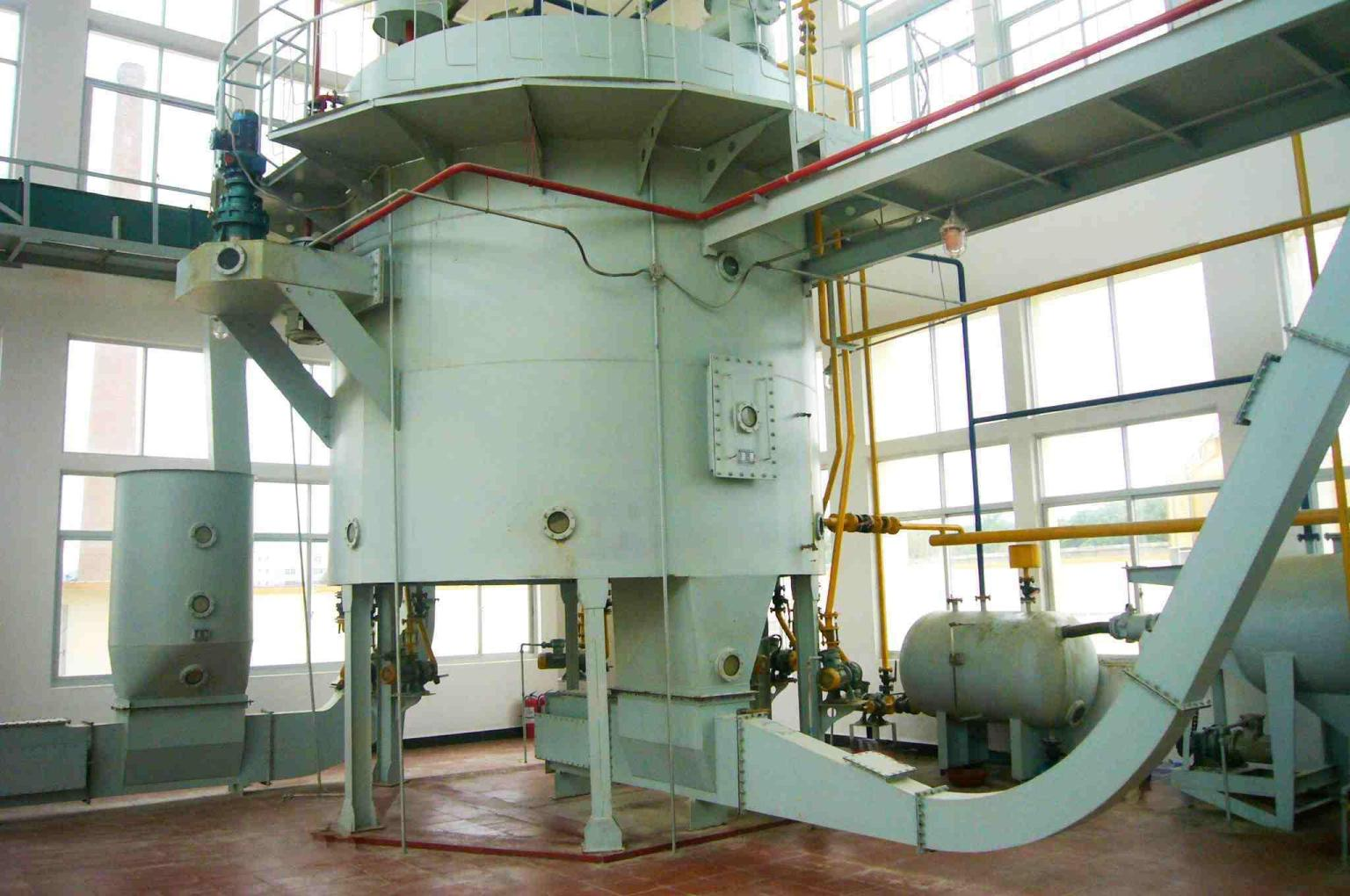
Edible Oil Solvent Extraction System
Solvent Extraction Method for Edible Oil
Henan Huatai is the leading manufacturer and supplier in the field of solvent extraction and edible oil production in China and also enjoys good reputation across the world. We offer complete large turnkey solutions for edible solvent extraction plant from the plant design to finished oil running. Solvent extraction is a chemical oil extraction method to process oil out from vegetables, oilseeds and nuts by solvent, and Hexane is the preferred choice. The oil flaking pieces/cakes from oilseed pretreatment plant enter the oil solvent extraction plant. Through specific oil extractor, the solid-liquid extraction method is used to achieve full contact between the solvent and the oil, so as to fully dissolve and extract the oil.

Solvent Extraction Plant
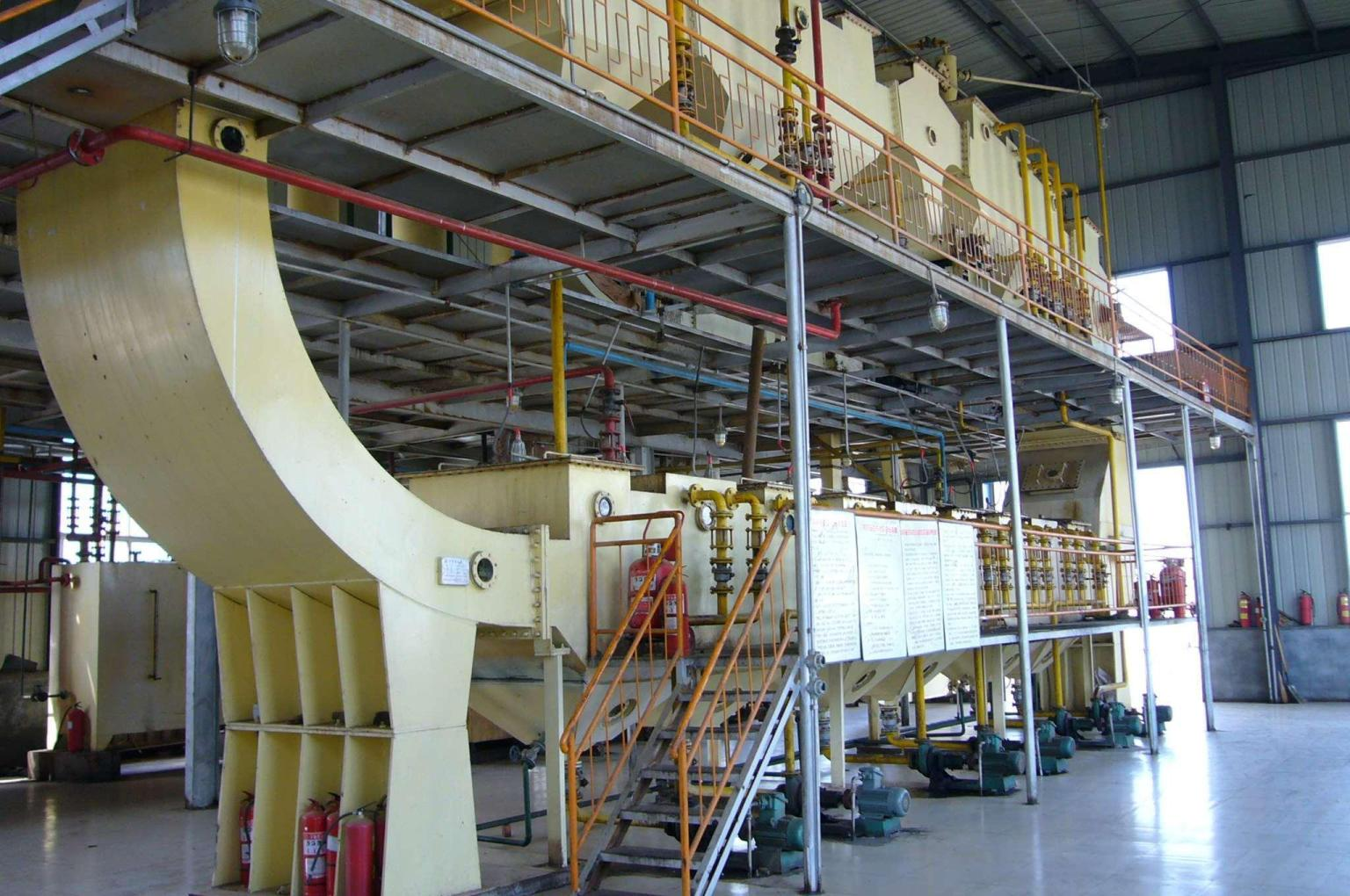
Four steps: oil extraction, wet meal desolventizing, mixed oil evaporation and solvent recovery process. After oil solvent extraction plant, the residual oil rate in the meal is less than 1%.
Direct Solvent Extraction
Cleaning-Conditioning-Cracking-Dehulling-Flaking-Solvent Extraction-Meal Sizing
Pre-pressing and Extraction
Cleaning-Pre-heating-Flaking-Conditioning-Pre-pressing-Solvent Extraction-Meal Sizing
Extraction Methods
In general, a pre-press system followed by solvent extraction may be an option when the oilseed contains more than about 23% oil. This combination combines the best of each system: the pressing operation removes the higher percentages of oil which are by far the easiest to squeeze out of the solids, and the solvent extraction process is best at removing oil from about 20% down to near 0.5%. It is worth noting that a plant to process rapeseed with prepressing followed by extraction will often reduce the oil content from about 40% to 20% in the presses and from 20% to 0.8% in extraction, and that (after adjustments for moisture changes during the process) the press oil produced may be roughly 25.8% of the raw seed, while the extraction oil may be about 13.7% of the raw seed. Most of the oil will be press oil.
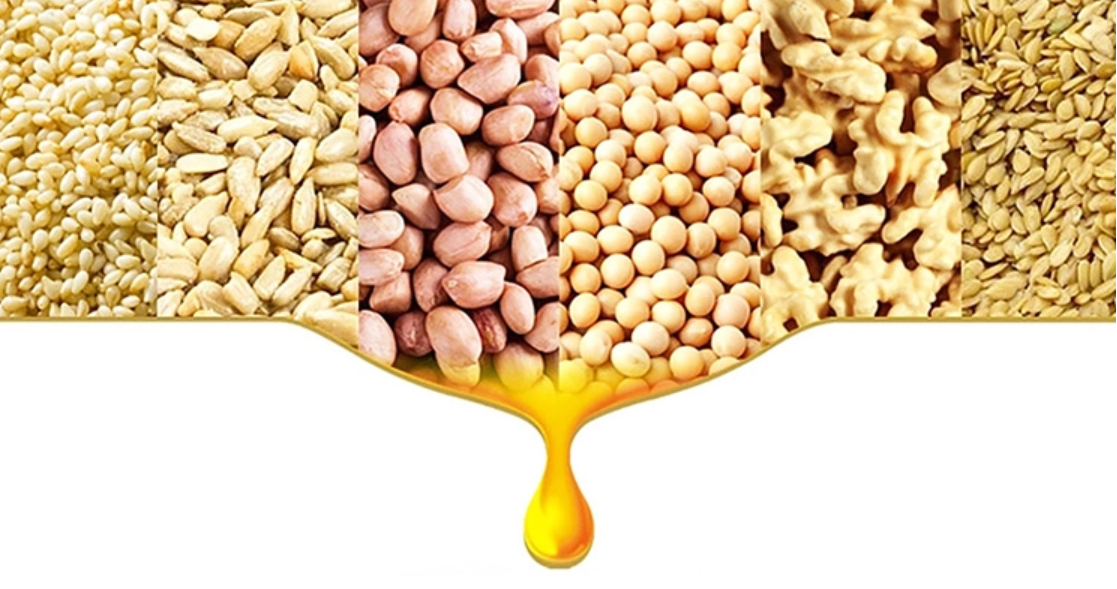
The seeds differ in that soybeans have about 20% by weight of oil, and rapeseed has about 40% oil. The higher oil products often require an added step called pre-pressing. Put simply, the high oil content makes it difficult to adequately flake the oilseed and cook it for solvent extraction without oil coming free of the seed and fouling equipment. Furthermore, the 40% oil content would require much more than the optimum energy for removal of solvent from miscella in extraction. Therefore, the screw press technology is used before extraction to better prepare the high oil seeds for the extraction process. It is partly practical experience and partly better balancing or optimization of the plant for low energy – but most high oil percent seeds have pre-press systems before extraction. Such seeds are commonly rapeseed, canola, sunflower, safflower, and the like.
Solvent Extraction Plant Workshops
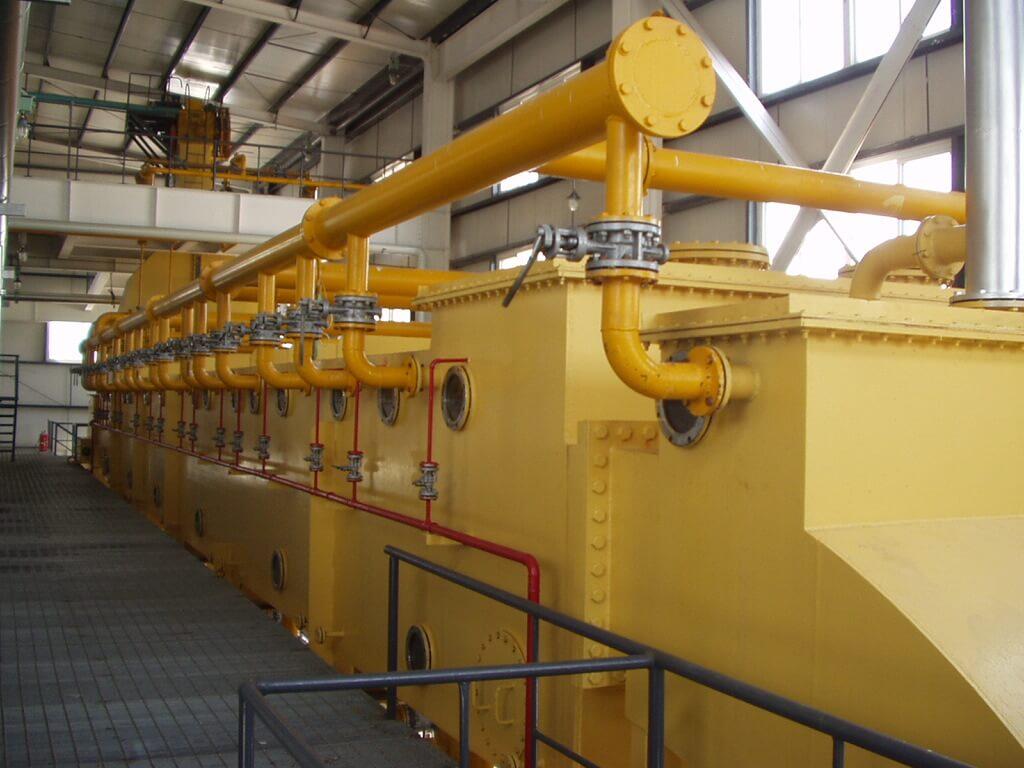
Solvent Extraction Process
1.Preparation of seeds for extraction which includes pre-pressing for high oil content seeds.
2.Extraction of oil from the prepared material with the aid of food grade solvent.
3.Desolventising-toasting of the de-oiled seed /meal- often combined with drying and cooling of the said meal.
4.Distillation, to remove the solvent from the extracted oil.
5.Recovery of solvent, which is reused again and again at extractor level.
Oil extraction workshop application:
The pre-pressing cake, machine-pressed cake, flakes, expanded feed, all the low oil content oilseeds.
capacity:20-5000T/D
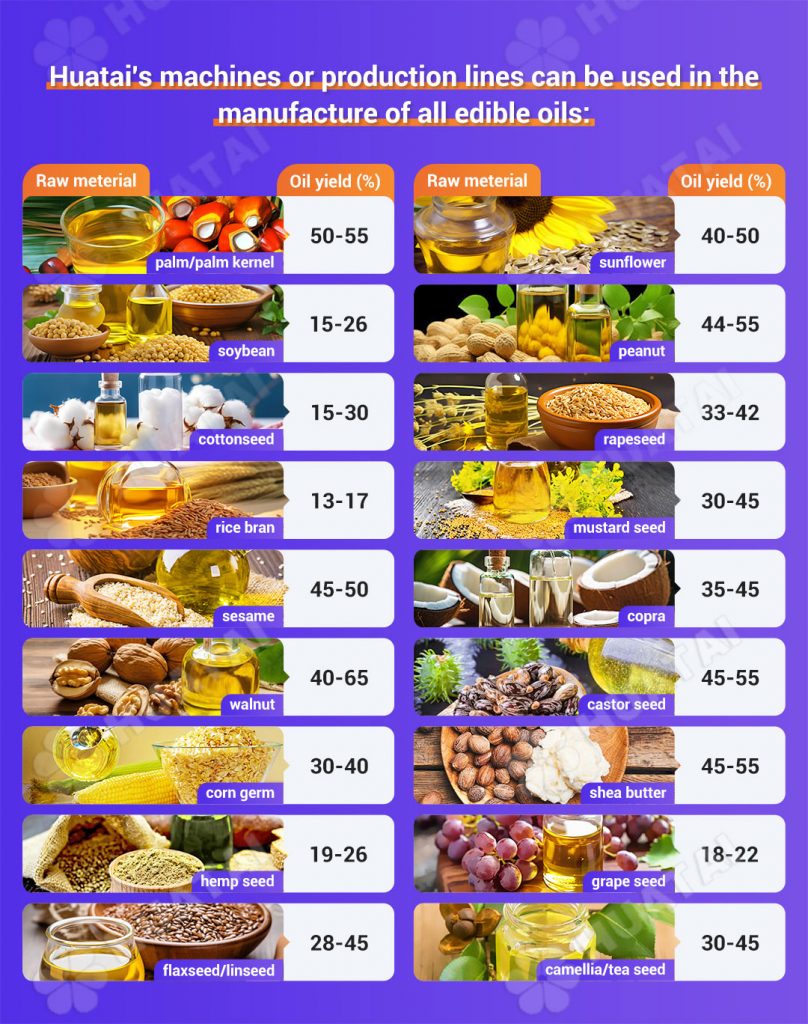
Technical Specifications
Engineered for efficiency, built for performance.
Working Principle
Preparation
Pretreated flakes, expanded material or pre-pressed cake enter the extractor.
Extraction
Solvent percolates or immerses the material, dissolving the oil into miscella.
DTDC
Desolventizing, toasting, drying and cooling produce safe, high-quality meal (<1% residual oil).
Solvent recovery
Miscella is evaporated and condensed; solvent is recovered and recycled.
Crude oil & meal
Low-solvent crude oil and defatted meal are the final outputs.
Why Choose This Equipment
High oil recovery
Residual oil in meal below 1%.
Low solvent consumption
Closed-loop recovery with minimal loss.
Flexible process
Direct extraction or pre-press extraction by seed type.
Automated control
PLC monitoring of solvent, temperature and level.
Safe & enclosed
Negative-pressure operation reduces solvent leakage.
Applicable Materials
Soybean / Rice bran
Direct extraction of low-oil materials.
Rapeseed / Cottonseed / Sunflower
Pre-press then extraction of high-oil seeds.
Corn germ / Peanut / Sesame
High-value oil recovery.
Palm kernel cake / Copra
Tropical oilseed extraction.
Frequently Asked Questions
What is the residual oil?
Below 1% in the final defatted meal.
Which solvent is used?
Food-grade n-hexane in a fully enclosed recovery system.
What capacity ranges are available?
From 20 TPD pilot lines to 5,000 TPD industrial plants.
More from Oil Solvent Extraction Plant
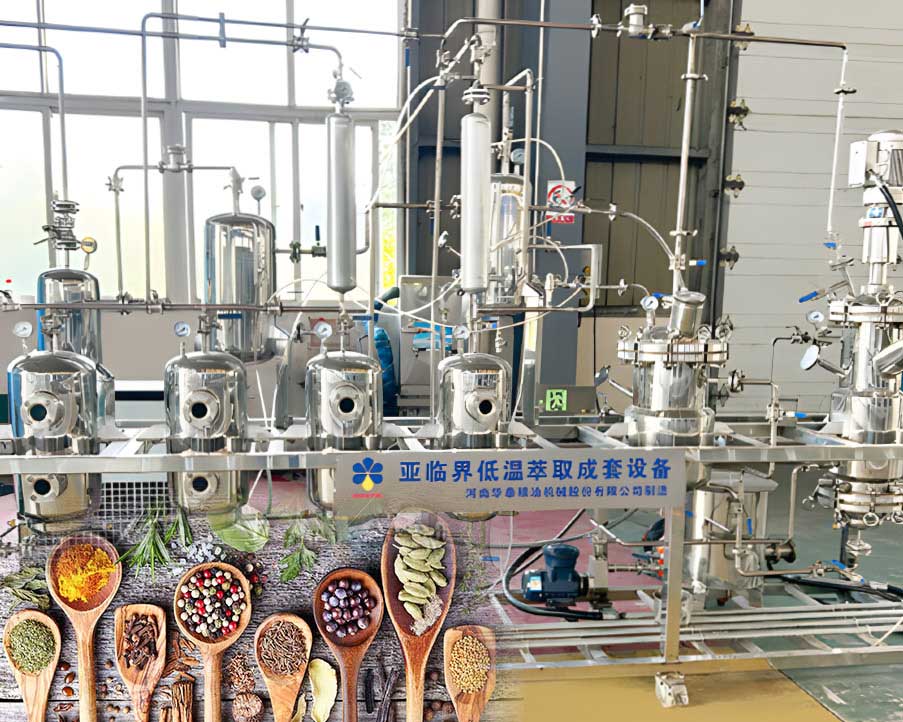
Sub-critical Fluid Extraction Equipment
Sub-critical Fluid Extraction …
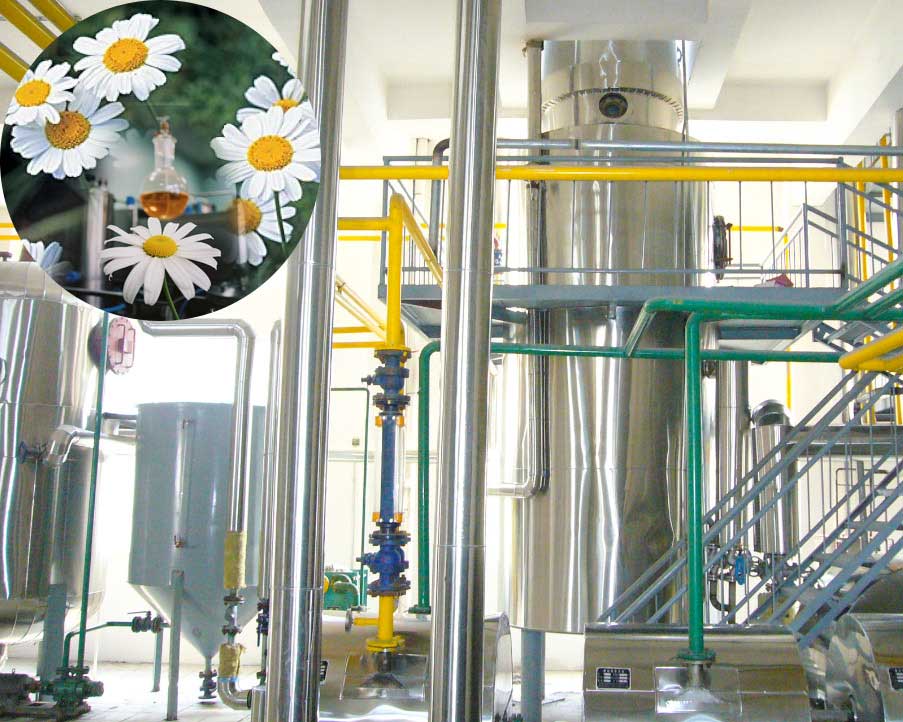
Pyrethrum Extraction Equipment
Pyrethrum Extraction Equipment…
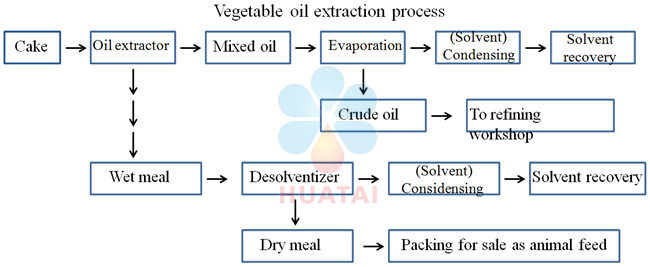
Edible oil extraction equipment process
Oil extraction is the principl…
Ready to Get a Tailored Solution?
Tell us your raw material, daily capacity and target specs — our engineers will design the optimal configuration for your plant.