
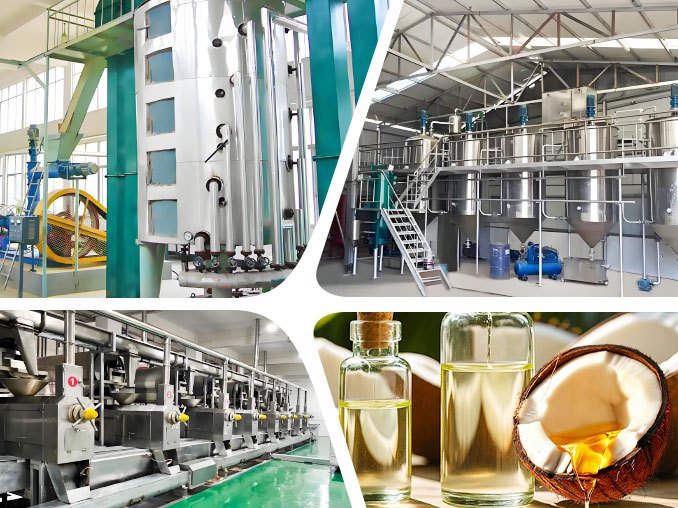
A coconut oil extraction machine is chosen for the feed it actually has to handle, which in most industrial lines means copra rather than the fresh fruit. The question a buyer is really answering is which route fits the material, the target product and the capacity: dry copra preparation and pressing, with optional solvent extraction, filtration and refining behind it. Getting the feedstock decision first prevents a line that is built for one kind of coconut and fed another.
Two routes are often mixed together in the coconut oil market: the copra dry route, where dried coconut kernel is cleaned, flaked, conditioned and pressed, and the fresh wet-kernel route, where wet coconut meat is pressed into an oil-and-milk emulsion that must then be separated. They are different processes. A copra line and a wet-milling line are not interchangeable, and the coconut oil production line that a project needs depends on which route it is actually running.
Start With the Feedstock: Copra or Fresh Coconut Kernel
Copra is the dried coconut kernel, the dried coconut meat that is the working feed of the dry route. It arrives at different moisture levels and with different solid carry-over, so reception and cleaning are real process steps, not just a receiving yard. The referenced copra route begins with reception and cleaning, then size reduction, flaking and conditioning before the oil is released.
The fresh wet-kernel route is a different matter. Pressing wet coconut meat produces an emulsion of oil and coconut milk, and separating that emulsion is a distinct operation that a simple dry-pressing line does not handle. Industry references treat virgin coconut oil from wet meat as a separate route from RBD copra oil, and the equipment that fits one does not automatically fit the other. This article is grounded in the copra dry route, with the wet route flagged where the difference matters.
The Copra Dry Route: From Cleaning to Crude Oil
Cleaning, Size Reduction and Flaking
After reception, copra is cleaned and size-reduced so the feed is even before flaking. Roller flakers then reduce the copra into flakes in the referenced range of 0.30 to 0.40 mm. Flake thickness sets how the material behaves in conditioning and pressing, the same way it does in other oilseed lines, so it is adjusted for the specific copra condition and the target product rather than fixed to a single value.
Conditioning and Screw Pre-Pressing
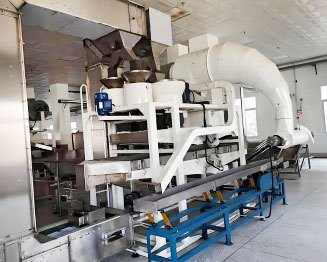
Conditioning brings the flaked copra to a workable state before pressing; the referenced range is 60 to 70 degrees Celsius. These are page-listed conditions to be confirmed for the material and equipment, not universal set points. Conditioning affects how cleanly the flakes press and how much oil the press recovers, so it is a control point, not a formality.
The screw pre-press then removes a large share of the oil. On the referenced route, the pre-press stage recovers roughly 55 to 65 percent of the oil, with the exact figure depending on copra condition and how the division of labor is set against any downstream solvent extraction. The coconut oil pressing equipment and any extractor that follows are sized together, because the extractor’s load depends on what the press already took out.
Optional Solvent Extraction and Filtration
Where a lower residual-oil meal is wanted, the pressed cake can go to solvent extraction. The referenced route lists solvent extraction as an optional step after pre-pressing, and the referenced meal residual oil is below 1.0 percent when the extraction step is in the line. Whether to include it is a project decision, driven by the meal destination, the crude-oil quality target and throughput, not a default that every line must carry.
Filtration follows, producing a cleaner crude-oil stream for storage or refining while the solid fraction moves to its planned handling route. The press, any extractor, and the filter are one separation sequence; a separator that discharges very wet or oily residue changes the duty on the next stage, so the sequence is engineered together rather than stage by stage. A solvent extraction plant section, where used, is balanced against that same sequence.
When Refining and Fractionation Are Needed
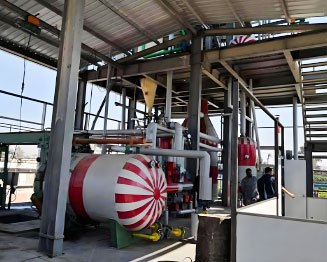
Crude copra oil, virgin coconut oil and RBD copra oil are different product targets, and that difference is what decides how much refining is required. RBD copra oil runs the oil through refining, bleaching and deodorizing; the referenced target for the refined product is a free-fatty-acid level below 0.1 percent, a page-listed value to be confirmed against the incoming crude and the agreed specification. Huatai Group’s edible oil refining equipment can be arranged around that requirement.
Not every project needs the full train. A plant that sells a defined crude oil may stop after filtration, while one targeting RBD copra oil for food or oleochemical use adds degumming, deacidification, bleaching and deodorization. Coconut oil is also commonly fractionated to separate stearin and olein, and that step is added when the market calls for the fractionated products. The referenced copra oil content is given as 60 to 68 percent, again to be confirmed for the specific feed.
How to Select a Coconut Oil Extraction Machine
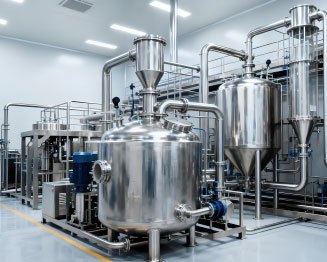
Selection starts from the feed and the product, not from the machine. The inputs that drive the choice are the feedstock and its condition, copra moisture and solids; the target grade, crude, virgin or RBD; the daily capacity; the utilities available on site; and what the meal or by-products will be used for. The site and maintenance plan round it out, because access, layout and changeover decide whether a proposed machine actually fits the operating team.
Small-Scale Versus Industrial Configuration
A smaller copra line and a large industrial line are built on the same process logic at different scales and with different automation. The practical way to think about it is to size from the project inputs, the copra source, the throughput and the product target, rather than starting from the smallest machine and scaling up. A route and an equipment set that fit a defined capacity beat a generic machine that is merely small enough to install.
About Huatai Group
Huatai Group is a large-scale cereal and oil machinery manufacturer based in Huaxian Industry Area, Henan Province. Founded in 1988, the group works on a 100,000 square metre site with twelve manufacturing workshops and more than 580 employees, and integrates research and development, design, manufacturing, installation and commissioning and after-sales service into one scope. It is listed on the New OTC Market under stock code 837819.
The company is a national high-tech enterprise, a national green factory, a national specialty and new-key little giant enterprise, and an outstanding member of the Chinese Cereals and Oils Association. Its management systems are certified to ISO9001:2015, ISO14001:2015 and ISO45001:2018, and its equipment carries CE certification, with the group holding its own import and export rights.
Huatai’s oil machinery business covers complete oilseed pretreatment and oil pressing lines, complete solvent extraction lines, and complete oil refining and fractionation lines, alongside protein, feed and starch engineering. For coconut, the relevant capability spans screw pressing, cake solvent extraction and the refining train that turns crude copra oil into RBD product. The group has delivered a 150 tonnes per day copra pressing line with a 50 tonnes per day fully continuous physical refining section in Thailand, which brings direct experience of the copra route described in this article rather than an extrapolation from other oilseeds.
The group has run an internationalization strategy for years, with business covering more than 70 countries and regions and more than 20 overseas offices, including one of the earliest overseas parts warehouses, in Uzbekistan. That installed base matters for a copra project, because the team has delivered pressing, extraction and refining lines across different regions and feed conditions, including projects in Southeast Asia where copra is a working raw material.
How a Turnkey Supplier Connects Equipment Into a Working Plant
Huatai Group connects the copra preparation, pressing, optional extraction, filtration and refining sections into one working line. The scope spans process design, equipment manufacturing, installation, commissioning and operator training, with after-sales support behind it. Manufacturing is supported by intelligent production, including laser cutting, CNC drilling, welding robotics and CNC bending, which help hold consistency across a project’s component set. The engineering conversation starts with the copra feed, the target product and the site conditions, and the line is configured around those inputs.
Conclusion
A coconut oil extraction machine is part of a route, and the route is set by the feed. The copra dry route runs copra through cleaning, size reduction, flaking, conditioning and pressing, with optional solvent extraction and filtration behind it, and refining plus fractionation added when the target product requires it. The fresh wet-kernel route is a separate process and is not a substitute for the copra line.
Huatai Group can turn those inputs into a balanced copra line. Project teams can contact the engineering team to begin by defining the copra feed and its condition, the crude-versus-refined target, daily capacity, available utilities and meal or by-product use.
FAQ
Q: What is the difference between copra oil and virgin coconut oil?
A: Copra oil is made from dried coconut kernel, pressed and typically refined into RBD copra oil. Virgin coconut oil comes from fresh wet coconut meat, pressed into an oil-and-milk emulsion that is then separated. The feed, the process and the equipment are all different, so the two routes are not directly interchangeable for the same plant.
Q: What is copra in coconut oil processing?
A: Copra is the dried coconut kernel, the dried coconut meat that serves as the feed for the dry extraction route. It is not the same as press cake, which is the residue left after pressing. Distinguishing the two matters because the feed and the by-product behave differently in the line.
Q: Does coconut oil need refining after extraction?
A: It depends on the target. A project selling a defined crude copra oil can stop after filtration. A project targeting RBD copra oil for food or oleochemical use adds refining, bleaching and deodorizing. The target product and the incoming crude-oil analysis decide how much refining is actually required.
Q: What equipment is needed for a copra-based coconut oil production line?
A: A copra line spans reception and cleaning, size reduction, roller flaking, conditioning, a screw pre-press, optional solvent extraction, filtration and a refining train, with fractionation added for stearin and olein. The exact scope follows the target product and the condition of the copra feed.
Q: How should a buyer choose a coconut oil extraction machine?
A: Start from the feed and the product, not the machine. Define the copra condition, the crude-versus-refined target, the daily capacity, the utilities available and the meal use, then let the route and the equipment follow from those inputs rather than starting from the smallest available machine.