
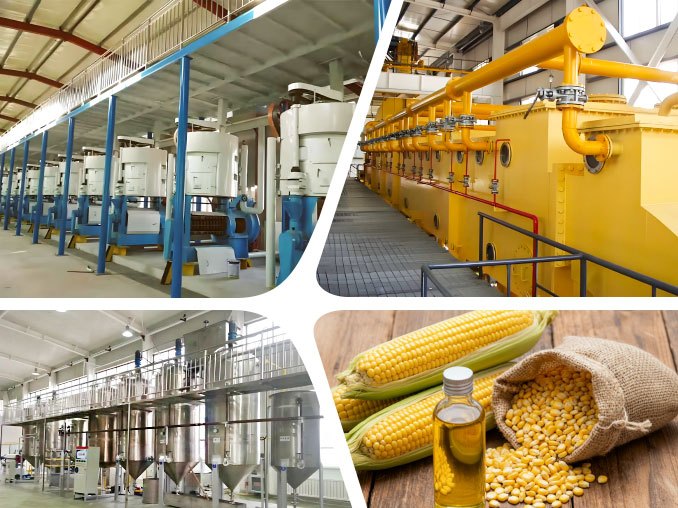
A corn germ oil extraction plant is built around one feedstock: recovered corn germ. The goal is to convert that germ into crude corn germ oil and, where the market calls for it, a refined product. The line does not start at the extractor. It starts with how the germ is separated, cleaned, dried, flaked, cooked and pre-pressed, because those early decisions determine what the rest of the corn germ oil processing route can do downstream.
The term corn germ oil is often folded into the broader label corn oil. The route described here is the corn-germ-specific one: germ recovered from wet or dry milling, prepared into a pressable or extractable form, then pressed or solvent-extracted to crude oil. Keeping that boundary clear matters, because equipment sizing, residue handling and the refining needs all follow from the germ feed, not from whole-kernel corn.
Where Corn Germ Comes From: Recovery and Feedstock Preparation
Corn germ is recovered from the kernel during the wet-milling or dry-milling break. The step is a separation and recovery operation: the germ fraction is pulled off from the surrounding starch, protein and fibrous fractions so it can be handled as a defined oilseed. Because the germ is the only oil-bearing fraction being processed, the quality and consistency of that recovery set the ceiling for the whole line.
Before the germ enters the processing section, a few feed conditions become the basis for equipment selection: incoming moisture, the amount of fine starch and fiber carry-over, the oil content of the germ, and how the germ is stored and metered. These are project inputs, not universal values. A plant designed around clean, dry, well-metered germ behaves very differently from one fed with wet, uneven, inconsistently stored germ, so the first engineering conversation should establish what the actual feed looks like.
The Corn Germ Oil Extraction Process
Cleaning, Drying and Flaking
Cleaned germ is dried before flaking. On the referenced route, germ is dried to a moisture below 10 percent before it goes to the flaker; the exact target should be confirmed for the specific dryer and feed, because it affects flake integrity and downstream residence. Drying is where the line removes the variability that wet germ brings, and the oilseed pretreatment equipment for screening, drying, flaking and cooking is sized to that variability.
Flaking sets the extraction surface. Roller flakers reduce the dried germ into flakes in the range of 0.3 to 0.4 mm on the referenced line. Flake thickness controls how solvent percolates and how much oil is released during pressing, so it is one of the most sensitive adjustments in the whole route. Too thick and extraction is incomplete; too thin and the flakes break into fines that disturb the bed and the miscella.
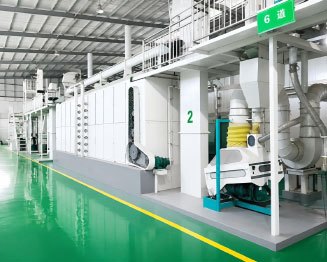
Cooking, Pressing and Cake Solvent Extraction
Cooking, or conditioning, follows flaking. The referenced range is 40 to 50 minutes at 115 to 120 degrees Celsius, bringing moisture into a band around 2 to 4 percent. Cooking sets the starch and protein so the flakes press cleanly and the resulting cake stays stable enough to handle. These are page-listed conditions, not guarantees, and the final values belong to the specific material and equipment arrangement.
Screw pressing then removes a large share of the oil mechanically before the cake goes to solvent extraction. The referenced route is pre-press plus cake extraction: the press takes out oil efficiently, and solvent extraction pulls the residual oil from the cake down to a low level, with the referenced meal residual oil below 1 percent. The press and the extractor are sized as one sequence, because the load the extractor must carry depends on how much the press already removed.
A combined press-and-extract route is common for corn germ, but it is not the only option. A plant can be run on pressing alone or on solvent extraction with a lighter press stage, depending on oil-quality targets, meal destination, throughput and utilities. That choice belongs in the project design, not in a default specification.
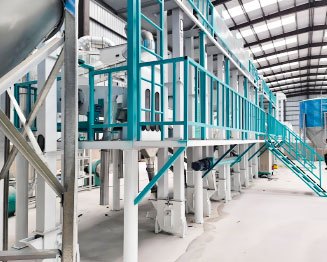
From Crude Oil to Finished Oil: Extraction Versus Refining
It is worth separating two sections that buyers often blur. Extraction produces crude oil from the germ. Refining treats that crude oil. They are different plant sections with different equipment, different operating goals and different failure points, and a well-planned corn germ line keeps the boundary between them clear rather than assuming one machine does both.
The referenced refining sequence for corn germ oil runs through degumming, neutralization, decolorization, dewaxing and deodorization. Corn germ oil in particular carries wax, so a dewaxing step is a distinguishing part of this route and is what separates it from many other vegetable-oil refineries. Huatai Group’s edible oil refining equipment can be arranged around that sequence, but not every project needs every stage; the target product, the incoming crude-oil analysis and the intended market decide which sections are actually required.
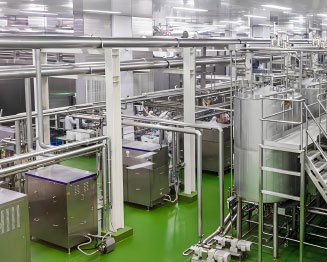
Key Equipment in a Corn Germ Oil Line
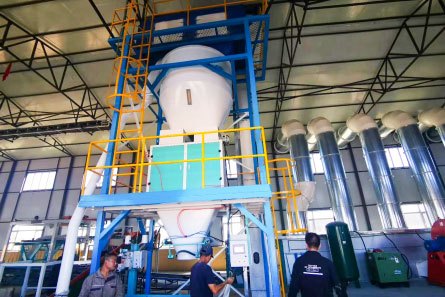
Putting the sections together, a corn germ oil line typically spans screening, drying, flaking, cooking, screw pressing, solvent extraction, desolventizing, evaporation and stripping, solvent recovery and refining. The referenced route lists double-layer vibrating screens, dryers, roller flakers, a cooking system, screw presses, an extractor, a D.T.D.C, evaporators, a stripping tower, solvent recovery and the refining train. Huatai Group offers corn germ oil lines in a referenced range of 1 to 600 tonnes per day; the basis of that figure, germ input versus overall plant throughput, is confirmed during project design.
The desolventizer-toaster-drier-cooler, or D.T.D.C, is a load-bearing piece of the extraction side. Extracted cake leaves the extractor carrying solvent, and the D.T.D.C removes that solvent before the meal is dried, cooled and discharged. Its duty is tied directly to extractor throughput and to the solvent the cake carries, so it is sized as part of the same material and vapor balance rather than added as a standalone machine. Condensation and vent-gas recovery close the solvent loop and affect operating cost and emissions.
Pressing, Solvent Extraction, or a Combined Route
The referenced corn germ route is pre-pressing plus cake solvent extraction. That is a sensible default for a modern corn germ line, but the final route should be decided on the merits of the specific project: feed condition, capacity, oil-quality target, meal destination and available utilities. A plant that locks the route before those inputs are settled often ends up over-built in one section and short in another.
Sizing a Corn Germ Oil Extraction Plant
Sizing a corn germ oil extraction plant starts from the germ itself: the source of the germ, its moisture and oil content, the daily throughput, whether the target is crude or refined oil, and how the meal or by-products will be used. On the plant side, steam, power and water availability, plus site and safety requirements, shape the layout and the equipment that can realistically be installed. Those inputs, not a model number, drive the configuration.
About Huatai Group
Huatai Group is a large-scale cereal and oil machinery manufacturer based in Huaxian Industry Area, Henan Province. Founded in 1988, the group works on a 100,000 square metre site with twelve manufacturing workshops and more than 580 employees, and integrates research and development, design, manufacturing, installation and commissioning and after-sales service into one scope. It is listed on the New OTC Market under stock code 837819.
The company is a national high-tech enterprise, a national green factory, a national specialty and new-key little giant enterprise, and an outstanding member of the Chinese Cereals and Oils Association. Its management systems are certified to ISO9001:2015, ISO14001:2015 and ISO45001:2018, and its equipment carries CE certification, with the group holding its own import and export rights.
Huatai’s oil machinery business covers complete oilseed pretreatment and oil pressing lines, complete solvent extraction lines, and complete oil refining and fractionation lines, alongside protein, feed and starch engineering. For corn, it supplies corn germ pretreatment and pre-pressing, corn germ solvent extraction and corn germ oil refining, across a stated range of 30 to 5000 tonnes per day for the extraction stages and 30 to 1200 tonnes per day for refining. Its corn germ work includes a 300 tonnes per day corn germ oil line for Shandong Xiwang Group and a 300 tonnes per day corn oil refining line for Shandong Chuangyou Biotechnology.
The group has run an internationalization strategy for years, with business covering more than 70 countries and regions and more than 20 overseas offices, including one of the earliest overseas parts warehouses, in Uzbekistan. That installed base matters for a corn germ project, because the team has delivered comparable pressing, extraction and refining lines across different regions and feed conditions.
How a Turnkey EPC Supplier Supports the Project
Huatai Group connects the sections above into one production route. The scope spans process design, equipment manufacturing, installation, commissioning and operator training, with after-sales support behind them. Manufacturing is supported by intelligent production, including laser cutting, CNC drilling, welding robotics and CNC bending, which help hold consistency across a project’s component set. The engineering conversation should begin with the germ feed, the target product and the site conditions, and the line is configured around those inputs rather than assembled from a catalogue.
Conclusion
A corn germ oil extraction plant is a sequence, not a single machine. Germ recovery, cleaning, drying, flaking, cooking and pressing set up the extraction; solvent extraction and desolventizing carry the crude oil and the meal to their destinations; and refining, with its wax-specific dewaxing, finishes the oil to the target grade. The route is chosen on feed, capacity, product and site, and the sections are balanced against each other.
Huatai Group can take those inputs into a balanced corn germ oil line. Project teams can contact the engineering team to begin by defining the germ source, daily throughput, crude-versus-refined target, meal use and available utilities, and build the equipment scope from there.
FAQ
Q: What is the difference between corn germ oil and corn oil?
A: Corn germ oil is produced from the recovered germ fraction of the kernel, which is the oil-bearing part. In casual usage the two terms are sometimes used interchangeably, but the germ-specific route has its own preparation, pressing, extraction and dewaxing needs. This article addresses the corn germ route in particular, and the equipment and parameters follow from that feed.
Q: How does a corn germ oil extraction plant work?
A: Germs are separated and recovered, then cleaned, dried, flaked and cooked. They are pressed, and the resulting cake goes to solvent extraction to pull out the residual oil. The wet meal is desolventized, dried and cooled, and the crude oil is refined, including a dewaxing step, to the target product grade.
Q: Should corn germ oil be pressed, solvent-extracted, or processed by a combined route?
A: The referenced route is pre-pressing plus cake solvent extraction. A combined route is common and efficient, but the final choice depends on oil-quality targets, meal destination, capacity and available utilities. Some lines run on pressing alone, and others on solvent extraction with a lighter press stage, depending on the project.
Q: What equipment is needed for a corn germ oil processing line?
A: Typical equipment spans screening, drying, roller flaking, cooking, screw pressing, solvent extraction, a desolventizer-toaster-drier-cooler, evaporation and stripping, solvent recovery and a refining train with dewaxing. The exact list depends on whether the target is crude or refined oil and on the condition of the germ feed.
Q: Which project data is needed to size a corn germ oil plant?
A: Start with the germ source, moisture and oil content, daily throughput, crude or refined target, and meal or by-product use. Add steam, power and water availability plus site and safety requirements. Those inputs determine capacity, equipment selection and layout rather than any fixed model number.