
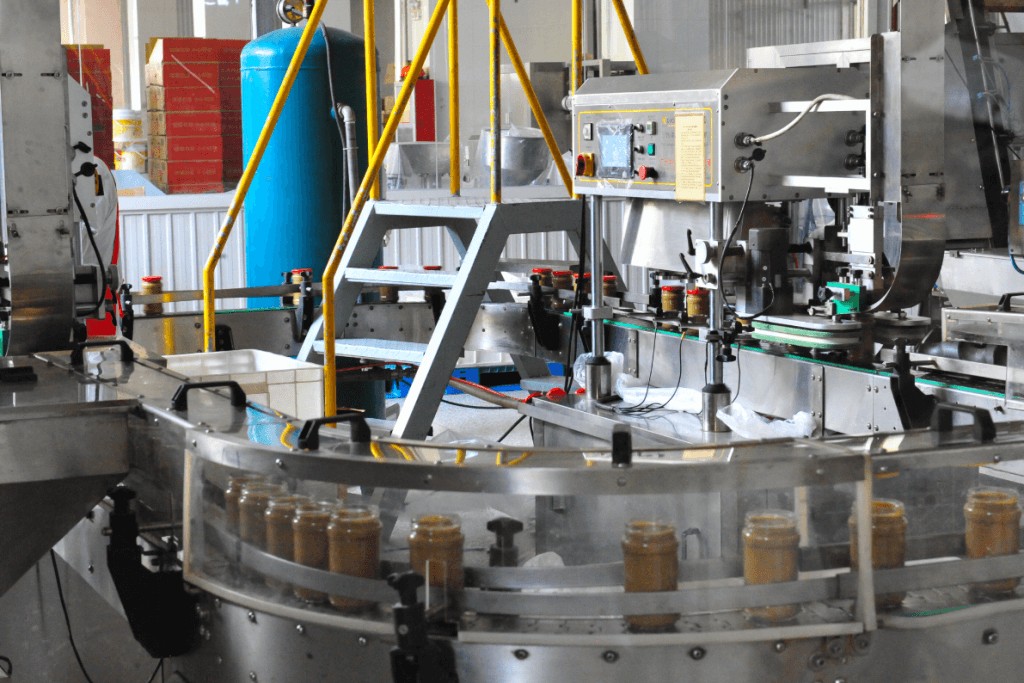
In the engineering of a professional edible oil facility, a common knowledge blind spot for brand owners is the fine balance between aroma strength and chemical safety. Many investors think that higher roasting temperatures always create a better fragrance. Yet this approach often produces benzopyrene, a known carcinogen. National standards now stress moderate processing to remove such risks. In addition, people sometimes overlook the need for quick cooling of seeds after roasting. This step is called smoke raising. Without it, seeds can scorch and spoil the flavor of the whole batch. Huatai Group solves these key design issues. The company supplies a scientifically adjusted modern sesame oil production process. This process keeps both the sensory quality of the oil and the strict safety rules of international markets.
Huatai Group: Your Global Engineering Partner
Founded in 1988, Henan Huatai Group stands as a leading manufacturer of large and medium-sized grain and oil machinery. The firm operates a large 100,000-square-meter site with 12 modern intelligent workshops. It has shipped its technology to more than 70 countries. The company holds 56 patents developed on its own and carries national Little Giant status. Huatai oil machinery gives brand owners a complete solution that covers design, R&D, and installation. We are a sesame oil mill factory offering customized production solutions. These solutions deliver high efficiency and steady technical performance.
What is the Sesame Oil Production Process?
To understand how to make sesame oil commercially, one must look past simple pressing. Sesame seeds hold a high oil content, usually between 40% and 58%, along with a protein level of 23% to 26%. What is the sesame oil production process at an industrial scale? It forms a multi-stage sequence. The sequence extracts the highest yield while it keeps the special volatile compounds that create the prized fragrance of sesame oil.
Cleaning and Pre-treatment
The first step in any high-quality line is thorough cleaning to remove impurities and immature seeds. We use high-efficiency vibrating screens and magnetic separators. These tools keep the raw material pure. They also protect the downstream Huatai oil machinery from extra wear.
Scientific Seed Frying (Roasting)
In a modern sesame oil production process, frying is the most important stage for aroma development. At first, seeds are stirred over high heat to remove moisture. When they reach a 70% frying degree, the temperature is controlled to reach about 200°C. The seeds then turn a clear yellowish-brown. Frequent stirring stays essential to stop scorching and to spread moisture evenly.
Smoke Removal and Cooling
Right after frying, the seeds remain at 140°C to 150°C. If they are not cooled at once, leftover heat will keep cooking them. This can create a burnt taste. Our solution adds automated smoke raising machines that remove heat quickly. A blowing or screening step follows to clear sesame bran, which is the fallen skins. These skins hold less oil and can lower the quality of the final oil.
Achieving High Yield Production for Commercial Purposes
For high yield production of sesame oil for commercial purposes, industrial plants often combine mechanical pressing with advanced filtration or secondary extraction methods.
Hydraulic Pressing
The roasted and cooled sesame seeds move into hydraulic presses on a steady basis. High pressure squeezes out the crude oil. At very large industrial scales, this pre-pressing stage is usually followed by a leaching or solvent extraction process. That step recovers the remaining oil from the cake. It helps reach the highest possible oil recovery rate for the investor.
Low-Temperature Fine Filtration
Standard refining can sometimes remove natural antioxidants such as sesamol and sesamin. These compounds give sesame oil its long shelf life. Huatai Group suggests a specialized hot frying-pressing-fine filtration method. The crude oil first settles. It is then sent into a plate filter at low temperatures of 15-20°C. This low-temperature method reduces the loss of aroma through evaporation.
Polishing and Stability
Our modern sesame oil production process includes a second filtration stage. The oil is allowed to stand so that water-containing phospholipids can join together. They are then removed through strong water-absorption filtration. This polishing step makes the oil very clear and greatly improves its stability during storage.
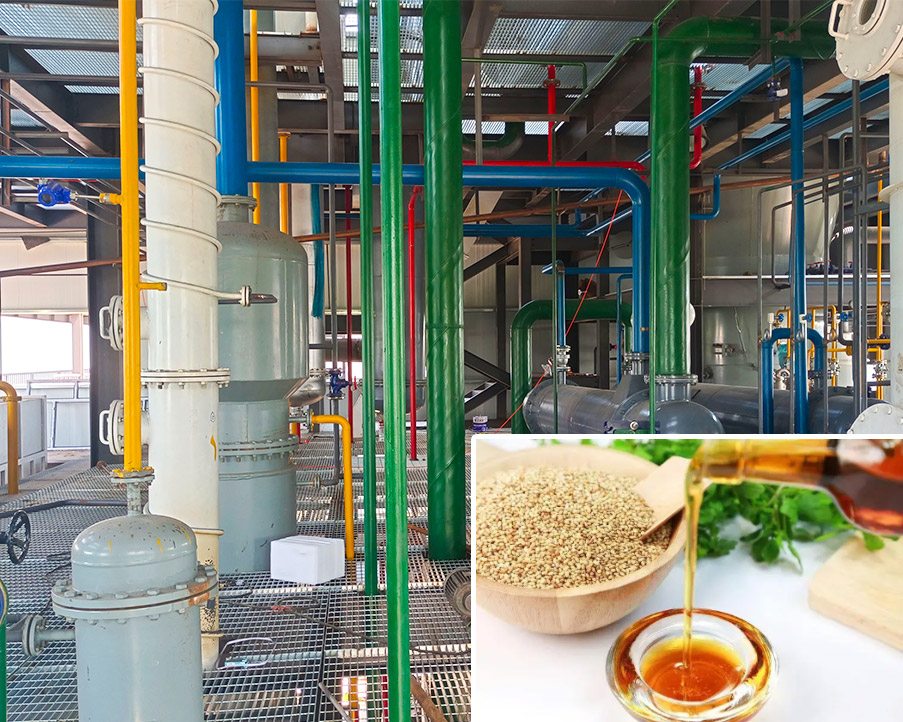
Technical Highlights of Huatai Solutions
As a sesame oil mill factory offering customized production solutions, we supply technical advantages that help our clients stand out.
- Automation:Our lines include Siemens or Mitsubishi PLC control cabinets. These allow remote monitoring, automatic alarms, and fault diagnosis.
- Energy Efficiency:Optimized steam and heat exchange systems lower energy use per ton of oil compared with industry averages.
- Safety and Compliance:Our processes are built to avoid benzopyrene formation. They meet the latest global food safety standards.
Application Case Study: 60 T/D Project in Bangladesh
A clear example of our engineering skill is the 60 T/D sesame oil production project finished for a major client in the Godkhali region of Bangladesh. The client needed a plant that could manage high-capacity commercial output while it kept the traditional aroma profile favored in the local market.
Huatai Group supplied a customized EPC solution. It combined our patented frying and cooling technology. A precisely managed thermal system and a low-temperature fine filtration unit were installed. The plant reached an oil yield that went beyond expectations. At the same time, the oil kept crystal-clear transparency. This project raised the client’s production efficiency. It also helped them win a premium market share thanks to the high quality of the finished sesame oil.
Partner with Huatai Group
Building a successful sesame oil mill factory calls for a partner who knows that every seed counts. Whether you want a turnkey solution for high yield production of sesame oil for commercial purposes or a specific upgrade for your current facility, Huatai Group is ready to assist. Our 38 years of experience ensure that your investment rests on the most reliable engineering available today.
Contact Huatai Group today for a free customized professional plan for your sesame oil project:
- Phone/WhatsApp:+86 183 3726 3319
- Email:info05@cnoilmachine.com
- Address:Xiangjiang Road, Industry Zone, Hua County, Henan Province, China
FAQ
Q: What is the typical oil content in sesame seeds?
A: Sesame seeds generally contain between 40% and 58% oil. This makes them a very high-yield oilseed.
Q: How does Huatai Group prevent the formation of benzopyrene?
A: We follow a moderate processing principle with carefully controlled roasting temperatures to avoid scorching.
Q: What is the benefit of low-temperature filtration?
A: Filtering at 15-20°C reduces the loss of volatile aroma compounds. The oil therefore keeps its characteristic fragrance.
Q: Can your sesame oil mill factory solutions be automated?
A: Yes, we provide full PLC control systems for remote monitoring and intelligent production management.
Q: Does Huatai Group offer overseas installation services?
A: Yes, we provide full EPC turnkey services. These cover design, manufacturing, and on-site installation in over 70 countries.