
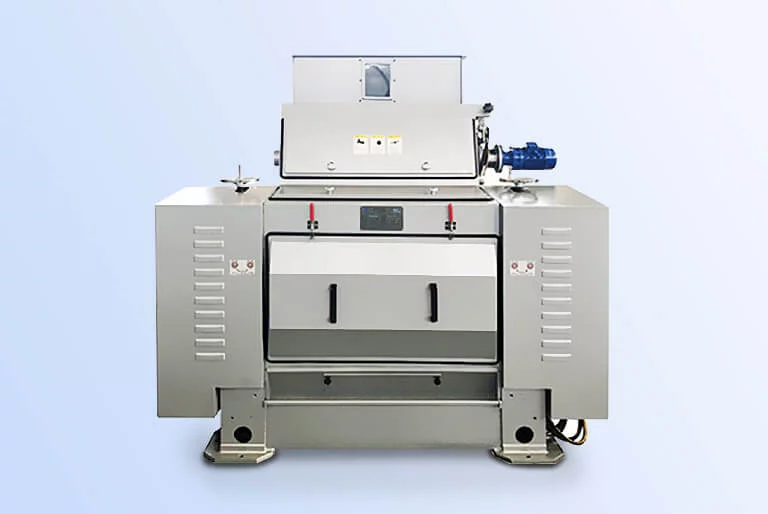
Oilseed pretreatment is accepted as a working section of a production line, not as a single flaker that turns on. It has to deliver prepared material that the planned pressing or solvent extraction stage can handle consistently. The commissioning team should agree feedstock range, sampling points and downstream criteria before the trial. Records from cleaning through conditioning and flaking make it possible to identify where an unstable feed was introduced.
What Must Pretreatment Deliver to Extraction?
The required output depends on the seed and the downstream process. A line may include cleaning, dehulling, cracking, conditioning, flaking and prepressing in a sequence designed for the project. The aim is a feed with suitable cleanliness, moisture and particle or flake characteristics for the next stage. A machine running at its nameplate speed does not prove the whole line is stable.
Write an acceptance boundary: which incoming material is covered, where the trial begins and where prepared feed is sampled. Distinguish the pretreatment output from crude oil obtained later by pressing or extraction. Finished edible oil requires further refining where the product specification calls for it. This distinction keeps project reports from claiming an end product that the tested section cannot make.
The pretreatment section prepares oilseeds for extraction, with equipment selected to suit the raw material and processing capacity.
Which Feedstock Conditions Should Be Recorded?
Sample the incoming seed at a defined frequency and record species, variety or grade, moisture, foreign matter and any unusual damage. Include storage and delivery conditions that could change feed behavior. Without an input record, a shift in flake quality may be wrongly attributed to an equipment fault.
Agree the feed range with the process designer. A trial with exceptionally clean seed does not establish performance for all future supply. If the project expects several seed types, list which were actually demonstrated. Mark any untested feedstock as a future qualification task. Keep sample IDs linked to the time, truck or silo and the operating period of the line.
How Should Each Pretreatment Stage Be Checked?
Observe material flow stage by stage, from cleaning losses and cracking pattern to conditioning and flake quality. Record relevant settings, throughput, interruptions and sample results under the project procedure. The team should look for carryover, blockages and uneven feed, not just average output. Inspect transfer points and dust or waste handling as part of the operational trial.
Changes should be made one at a time where practical. If a flake sample is outside the agreed range, verify incoming material and upstream conditioning before changing the flaker. Capture the reason and effect of each adjustment. Compare prepared material with the downstream extraction or pressing team’s acceptance criteria, because a sample that looks uniform may still perform poorly in the next section.
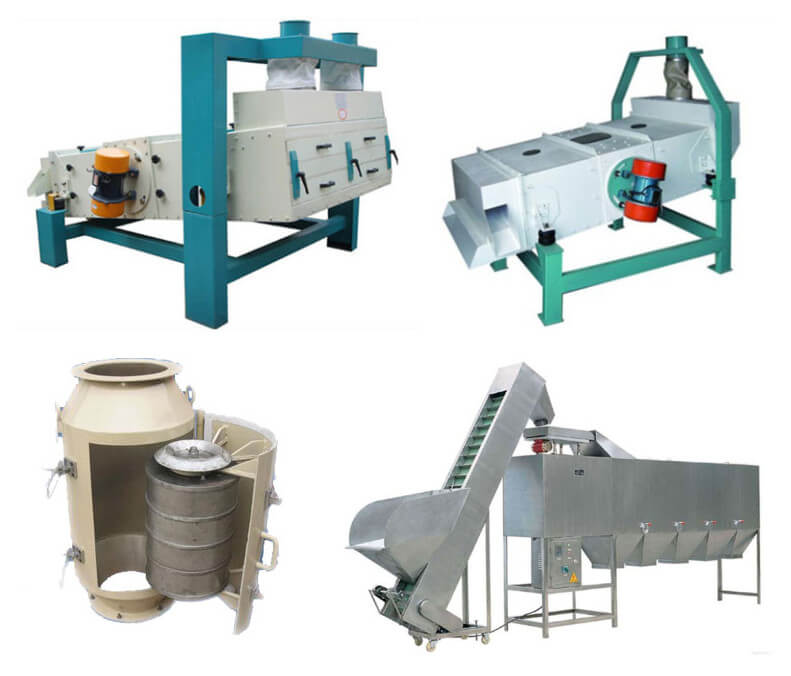
Our extraction plant can be configured to match the prepared material, target throughput and oil recovery requirements.
What Evidence Supports Line Acceptance?
An acceptance report should identify the demonstrated feedstock, operating period, sampling method, settings, measured output and downstream observations. Include downtime, corrective actions and any deviation from design conditions. Review trends, not a single favorable sample. Both pretreatment and extraction representatives should witness the interface.
If the next stage is not ready, document provisional section tests and reserve final interface acceptance until a connected run. Keep a clear list of open issues and retest conditions. The result should support operation of the complete oil-production solution, including later refining where required, without confusing pretreatment with finished-oil quality.
The rapeseed pretreatment project provides a useful reference for this check; confirm the final configuration against the project specification.
A commissioning run could begin with a labeled seed lot whose moisture and foreign matter have been measured. The team records settings and samples after cleaning, conditioning and flaking, then links those samples to the downstream extraction team’s observations. If flake quality drifts halfway through, the log may show that a different seed truck entered the feed silo. The team can then compare input variation before changing the flaker. If the prepared material meets its sample target but the extraction stage is unstable, the acceptance meeting should examine the interface rather than assigning the result to a single machine. The report should identify the demonstrated seed range and any later feedstock still awaiting a trial. This is a better basis for turnkey plant handover than a photograph of equipment running without a linked process result.
Use a single observation sheet for this trial. Its core fields are seed lot, input moisture and foreign matter, process settings, sample times, flake result, downstream observation, deviation and witness. The person making the observation should record the condition at the time, not reconstruct it from memory after the event. If a value is unavailable or a check could not be run, mark that field as pending and identify who will close it. Attach photographs or instrument files by their IDs, and retain the original version when a corrective action leads to a retest. This keeps the final decision auditable without turning the working checklist into a long narrative.
FAQ
Does Pretreatment Produce Finished Edible Oil?
No. It prepares seed for pressing or extraction. Crude oil is produced downstream, and finished edible oil generally requires an appropriate refining stage.
Can One Flake Thickness Suit Every Oilseed?
No. The target depends on oilseed, conditioning and downstream process design. Use the agreed project specification and measure actual samples.
Should Extraction Staff Join the Acceptance Trial?
Yes. They can confirm whether prepared material supports stable downstream operation, which is the point of the interface trial.
What If Feedstock Changes After Commissioning?
Review the new feedstock against the qualified range and repeat relevant checks. Do not assume the original settings remain suitable.
What Should You Send for a Project Review?
Send the project brief with the feedstock analysis, process flow, design range, sampling plan and downstream extraction or pressing requirements. Ask the engineering team to define the acceptance boundary and witness points for the whole line. Keep the trial report with the operating manual so later shifts can relate feed changes to the conditions actually commissioned.