
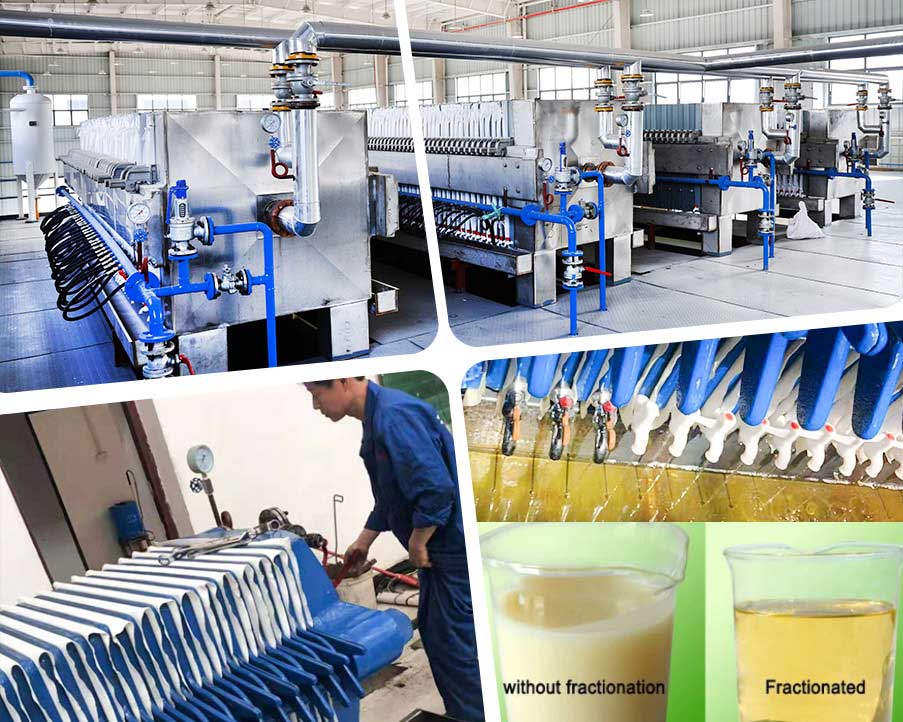
Palm oil fractionation separates a prepared palm-oil stream into fractions under controlled crystallization and separation conditions. Startup records should connect feed quality, temperature history, samples and product results. A plant cannot explain a disappointing olein or stearin result with only a final tank sample. The commissioning team needs time-linked evidence from the complete refining and fractionation solution, with limits taken from the project specification rather than a generic recipe.

What Does a Fractionation Startup Need to Demonstrate?
Agree the startup objective before heating or cooling the feed. The trial may need to demonstrate stable circulation, a target fraction specification, repeatable yield or filter behavior. Define which stream enters fractionation and which downstream samples will be evaluated. Fractionation is distinct from refining: the latter prepares crude oil to the required refined state, while fractionation separates components of the prepared oil.
Check instrumentation, calibration, valves, sampling points and operator roles under the approved commissioning procedure. A product sample without a confirmed valve lineup can be misleading. Record the source tank and any blending that changes the feed. The report should make clear whether results represent a full connected line or a limited section test.
Our palm oil fractionation plant separates palm oil into liquid olein and solid stearin, with the process configuration tailored to the required capacity and product specifications.
Which Feed and Temperature Records Matter?
Take a representative feed sample and record its origin, time and relevant quality results under the project method. Log vessel temperature, cooling stages, agitation, hold periods and any automatic control changes. The correct profile depends on feed and plant design; do not copy setpoints from another refinery. If an instrument reads unexpectedly, verify it before treating the displayed trend as process evidence.
Use a consistent time basis across the control system and manual log. A one-hour offset between sample labels and trend data can make a normal event appear to be a quality failure. Record the time of interruptions, recirculation, filter changes and operator actions. These details help reconstruct how crystals formed and moved to separation.
For a project example, explore our 100 TPD palm oil refining and fractionation plant in Congo.
How Should Samples Be Linked to Operating Conditions?
Give every sample a unique ID linked to vessel, stream, stage and clock time. Retain feed, intermediate and separated fraction samples according to the project plan. Note the operating condition at collection, including relevant filter state and flow path. A label that says only ‘olein’ is not enough when several batches or tanks are under test.
The laboratory should report results against the agreed product specification with the method used. If a value differs, review the sample chain and corresponding temperature trend before adjusting the process. Keep duplicate or retained samples where the contract requires them. This provides a way to distinguish a process issue from a mislabeled or unrepresentative draw.
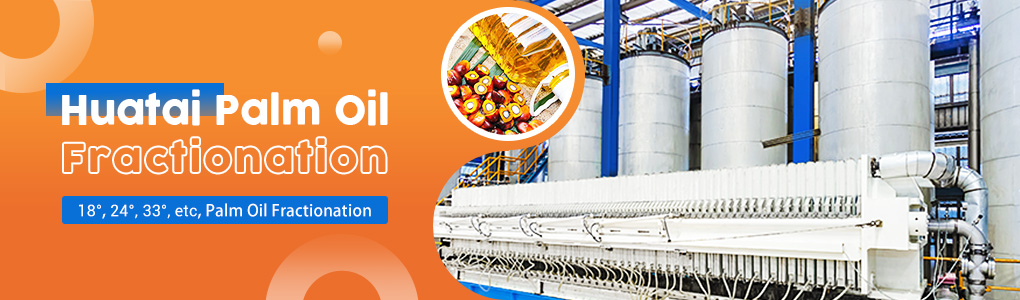
Understanding the available fractionation methods helps you compare processing options against your feedstock, production goals and operating requirements.
What Closes a Fractionation Startup Trial?
Review repeated batches or a sustained run, depending on the acceptance protocol. Compare feed, fraction properties, yield and stability under documented conditions. List any deviations from the approved profile and the impact on quality. Do not hide a rejected batch by reporting only the best sample.
Close startup with signed operating settings, sampling instructions, calibration status and remaining actions. If upstream refining is unstable, mark fractionation acceptance as conditional until feed meets the agreed range. A useful handover gives plant staff a reference record for troubleshooting future changes in feed or separation performance.
During a trial, the operator may label a feed sample at the start of cooling and separate samples before and after filtration. Each label should carry a unique ID and a time matching the control-system trend. If a later product sample misses the specification, the engineer can review whether feed quality changed, whether cooling followed the approved profile or whether the sample was drawn during a transient. If the clock on the laboratory sheet differs from the control-room clock, correct the record before drawing a process conclusion. Keep all samples and the rejected result, not just the final acceptable one. A repeat trial should document what changed and whether the result is stable across the agreed period. This record helps plant staff operate the commissioned line after the project team leaves.
Use a single observation sheet for this trial. Its core fields are feed tank and sample, time base, cooling trend, filter condition, fraction sample IDs, laboratory method, product result and deviation. The person making the observation should record the condition at the time, not reconstruct it from memory after the event. If a value is unavailable or a check could not be run, mark that field as pending and identify who will close it. Attach photographs or instrument files by their IDs, and retain the original version when a corrective action leads to a retest. This keeps the final decision auditable without turning the working checklist into a long narrative.
FAQ
The following answers address common exceptions during selection, inspection and handover.
Is Fractionation the Same As Refining?
No. Refining prepares crude oil; fractionation separates a suitable prepared oil into fractions. A project may include both operations.
Can a Universal Cooling Profile Be Used?
No. Cooling stages depend on feed quality, equipment and required product. Use the process designer’s approved profile.
Why Retain Both Feed and Product Samples?
Feed and product samples show what entered and left the process. Their IDs must align with operating data to interpret a result.
When Should the Startup Trial Be Repeated?
Repeat when the approved feed range or operating configuration changes materially, or when a failed acceptance criterion requires a controlled retest.
What Should You Send for a Project Review?
Send the process flow, feed specification, intended olein and stearin targets, instrument list and sampling plan. Ask the project engineer to confirm the startup profile and acceptance period for this plant. Keep the final log, trend exports and lab sheets together. They are the baseline for both operations and any later supplier review.
Send the project brief with the records described above, so the discussion starts from actual conditions.