
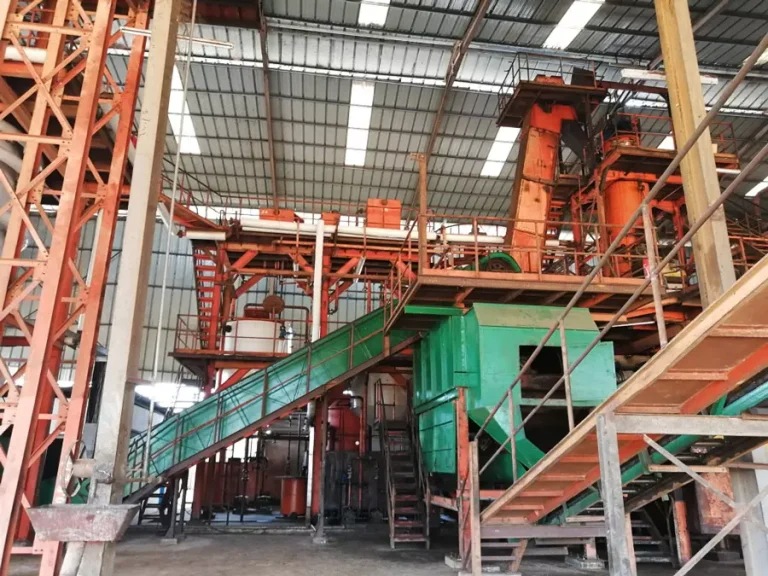
A palm oil mill plant works best when it is planned as one connected system, not as a single press. The strongest layouts link sterilization, threshing, digestion, pressing, kernel recovery, refining, and fractionation so each stream keeps value instead of becoming waste. Huatai Group builds a palm oil production line around that logic, with biomass recovery and output for crude palm oil, palm kernel oil, palm olein, and palm stearin.
That is also why the right starting point is the whole flow, not one isolated machine. When the plant is matched to fresh fruit bunch quality, utility conditions, and target products, it can deliver cleaner oil, less downtime, and better use of shells, fibers, empty bunches, and palm oil mill effluent.
Why a Palm Oil Mill Plant Needs More Than a Pressing Line
A palm oil mill plant is not just a mechanical route for squeezing fruit. It is a chain of thermal, mechanical, and separation steps that must work together if the crude oil is to stay stable and the by-products are to keep commercial value. Huatai Group’s palm oil solution shows that the useful unit is the full production line, not a single stage in isolation.
That broader view matters because palm oil projects carry more than one goal. They have to recover oil from the fruit, isolate kernels, produce a crude oil stream that can be refined cleanly, and handle biomass for plant energy demand. A strong palm oil production line treats those goals as one design problem.
From Fresh Fruit Bunches to Crude Palm Oil
The first section of the line prepares the fresh fruit bunches for release of the oil-bearing fruitlets. Sterilization softens the bunch structure, helps detach the fruit, and reduces the risk of quality loss before pressing begins. In practice, the process is designed so the fruit can move forward without bruising or unnecessary heat damage.
Sterilization and Threshing
palm oil line description uses horizontal sterilizer cages with saturated steam at 140-150 C for 75-90 minutes. After that, a rotary drum thresher running at 22-28 rpm removes the fruits from the bunch stalks. Empty bunches can then move out of the main line and into boiler fuel or other biomass use.
That sequence does more than prepare feedstock. It sets the tone for the whole palm oil mill plant because gentle handling at the front end helps protect downstream equipment and keeps the oil stream cleaner before clarification and refining.
Digestion, Pressing, and Clarification
Once the fruits are detached, digestion breaks the fruit structure and makes the mash ready for pressing. The double-screw press then releases crude palm oil while the press cake carries fibers and nuts into the next recovery stage. This is where mechanical design shapes the economics of the palm oil production line.
Clarification removes solids and water so the crude palm oil can move forward in a cleaner condition. The site description targets crude palm oil below 0.1 percent moisture and below 0.05 percent impurity, a practical benchmark for a line that wants to refine efficiently without fighting excess contamination later.
Kernel Recovery Changes the Economics
Palm kernel recovery is where the palm oil mill plant stops behaving like a one-product system. Instead of leaving the press cake as a low-value residue, the line cracks the nuts, separates shells from kernels, and sends the kernels to a second oil stream. That turns one fresh fruit bunch into two product paths and several useful side streams.
Breaking Nuts Without Damaging Kernels
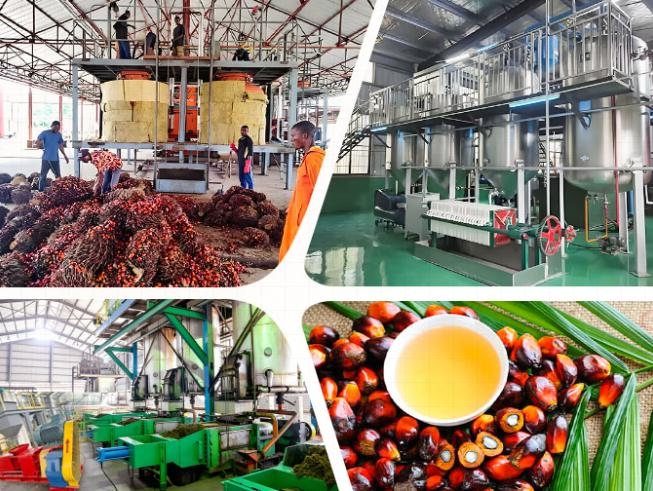
After pressing, the cake is broken in a ripple mill so the nuts can be cracked without crushing the kernels. A clay bath or hydrocyclone system then separates palm kernels from shells. The plant design is important here because a weak separation section can quietly erase value from the whole palm oil production line.
The kernel stream can be pressed on its own to produce palm kernel oil, while the remaining palm kernel expeller becomes a feed ingredient with around 18-20 percent protein. That is a practical example of how a well-planned palm oil mill plant keeps by-products in active use instead of treating them as leftovers.
Turning Residues into Useful Streams
The official solution also points to biomass recovery. Empty bunches, fibers, and shells can support boiler fuel use, while palm oil mill effluent can move into biogas generation through anaerobic digestion. This is where energy efficiency stops being a slogan and becomes part of plant operations.
Refining and Fractionation Set the Market Position
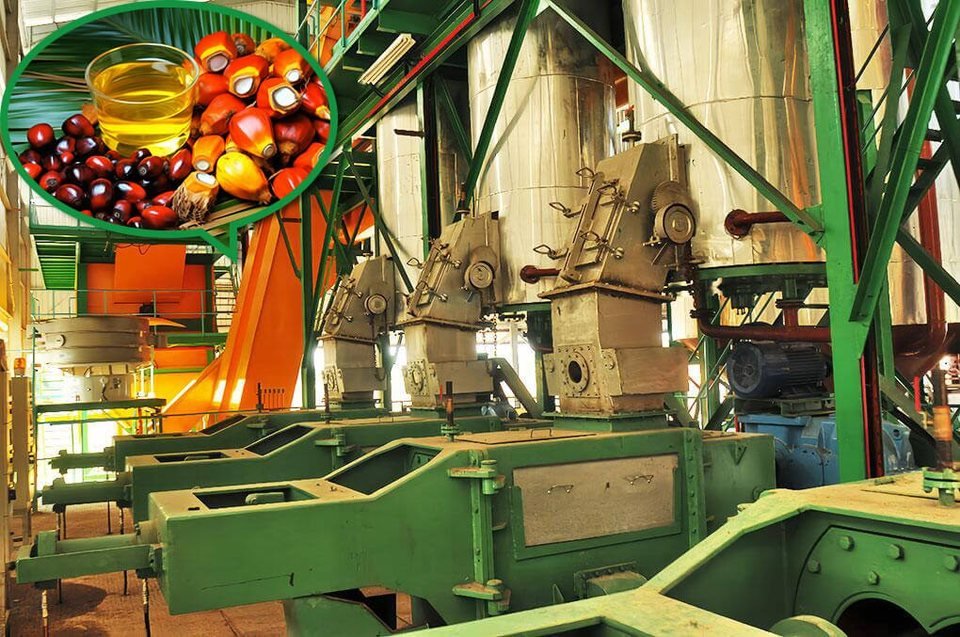
Once crude palm oil has been recovered, the next question is what kind of oil the market needs. Some projects want a clean refined cooking oil, others need palm olein and palm stearin for different food applications, and some need a stable route from crude oil to a consistent finished product. That is where palm oil refining equipment becomes central to the project.
Stable Refining Targets
The site description gives a clear refining target: free fatty acid below 0.1 percent and peroxide value below 1.0 meO2/kg. Those numbers matter because the refining section is not only removing defects; it is protecting flavor, stability, and storage performance. A good palm oil mill plant therefore treats refining as a quality decision, not only a finishing step.
That is also why crude oil cleanliness upstream matters so much. If the front end is controlled well, the refining line can work with less stress and a more predictable outcome. In a larger project, that stability is often what separates a manageable plant from one that spends too much time correcting process drift.
Olein and Stearin for Different Applications
Fractionation follows refining when the project needs separate liquid and solid palm fractions. The target split on the official page is roughly 70-75 percent olein and 25-30 percent stearin. That gives the plant more room to match product texture, melting behavior, and storage needs to different food uses.
In other words, a palm oil production line is not only about volume. It is also about shaping the output into forms the market can actually use with less extra handling.
Why Huatai Group Fits Integrated Palm Oil Projects
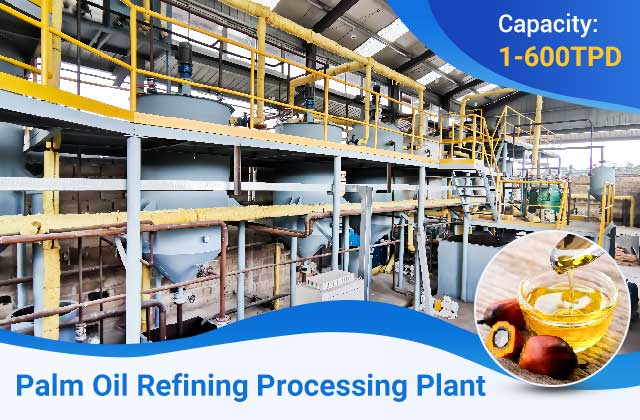
Huatai Group is a useful fit when the project needs a line that connects extraction, kernel recovery, refining, and by-product use in one engineering logic. The palm fruit/kernel page on the official site explains the route from pressing to separation to refining and fractionation, while the broader company pages show that the group can handle complete oil engineering projects from design through commissioning.
The capacity range described for the palm oil line is 5-120 TPH FFB, which makes the platform flexible enough for different mill sizes and integration goals. That flexibility matters because a palm oil mill plant is rarely built for one stage alone; it has to match fruit supply, utilities, and target products at the same time.
Conclusion
A well-planned palm oil mill plant does not treat pressing, refining, and by-product handling as separate jobs. When those stages are connected, the palm oil production line becomes easier to run, the crude palm oil is easier to refine, and the leftover biomass becomes part of the plant’s value. That is the real strength of the Huatai Group approach.
If you want a route from fresh fruit bunches to oil and by-product recovery, please contact us.
FAQ
Q: What does a palm oil mill plant include?
A: The full palm oil milling facility typically comprises sterilization, threshing, digestion, pressing, clarification, separation of kernels, refining and fractionation. The importance of such an arrangement is that through the integration of the various processes, it becomes possible to obtain crude palm oil, palm kernel oil, and fractions of palm oil.
Q: Why is kernel recovery important in a palm oil production line?
A: The process of kernel recovery introduces a second stream of oil and prevents the press cake from being a low-value byproduct. With proper cracking and shell separation, the facility would be able to recover palm kernel oil, and use the kernel expeller for animal feed.
Q: How do refining and fractionation change the final product?
A: Refining improves stability by lowering free fatty acids and peroxide value, while fractionation separates liquid olein from solid stearin. Together, they let a palm oil mill plant deliver oils for different cooking, food formulation, and storage needs instead of one generic output.
Q: Why choose Huatai Group for an integrated palm oil project?
A: Huatai Group offers a coordinated approach that connects fruit processing, kernel recovery, refining, and by-product use. That helps the project stay focused on plant performance, energy use, and product consistency rather than trying to assemble disconnected equipment sections.