
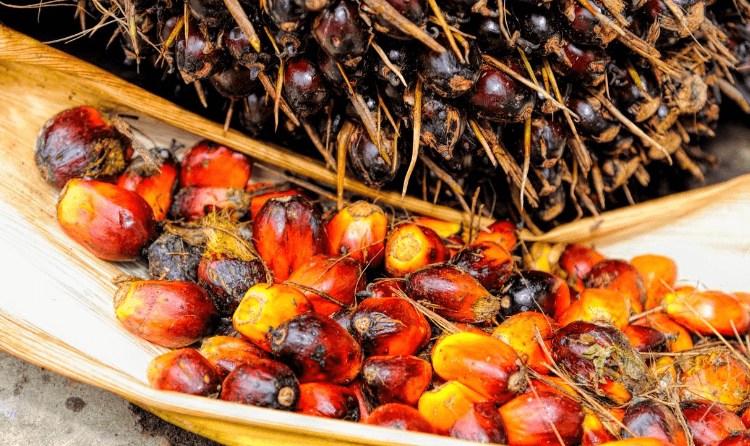
Palm oil mill sterilization has to put enough treated fresh fruit bunches into threshing across the whole shift, and that depends on how batches are scheduled against fruit deliveries, steam and the rate the next section can accept them. A daily tonnage figure will not show whether the sterilizer, the steam supply and the discharge sequence hold up on a busy day. Plan around the full cycle, not the loading time.
A mill can receive plenty of fruit and still lose pressing time when the flow from sterilization to threshing is uneven. Look at when each batch arrives, when it can be processed and when the next machine is ready to receive it. That sequence turns a daily tonnage figure into a working mill schedule.
Start With Fruit Arrival and Receiving Capacity
Use delivery records over the period the mill is expected to serve, and compare typical days with busy and uneven ones. A quiet start followed by several deliveries close together behaves differently from a smooth supply. Free fatty acids rise quickly once fruit is damaged, so the queue at receiving should be assessed alongside the rate at which loads can be admitted to the sterilization section.
Sterilization prepares fresh fruit bunches for downstream separation. The treated bunches go to threshing, which separates fruitlets from the bunch structure; digestion and pressing then release crude palm oil. Refining deals with that crude oil later, in a separate section with its own acceptance criteria. Keeping the mill and the refinery distinct in the schedule matters, because a delay at the sterilizer is an extraction-side problem and should not be read as a refining issue.
Huatai Group has built palm fruit pressing projects for estates in Indonesia and the Republic of Congo, where mill capacity is quoted in tonnes of fruit per hour. That operating rate is the figure to compare with your own receiving pattern. An average daily arrival figure is useful for sizing, but the bursts and the gaps decide where the line needs flexibility.
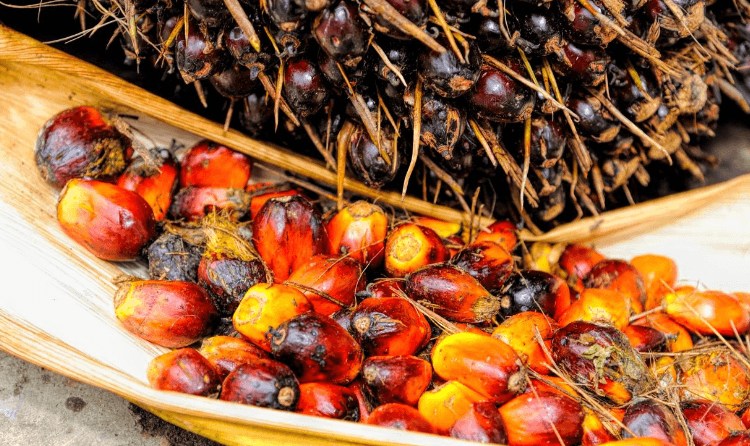
Count a Full Palm Oil Mill Sterilization Cycle
For an agreed configuration, start with the useful load per batch and the elapsed time from beginning one loading operation to being ready for the next. In a horizontal sterilizer, saturated steam at about 3 bar brings the vessel to roughly 145 °C, and the dwell stage commonly runs 90 to 120 minutes; air removal, unloading and preparation for the next batch sit outside that figure. On shifts that never run under perfect conditions, add reasonable allowances for routine checks and interruptions.
If more than one vessel is planned, check whether each can be loaded, supplied and discharged on the intended schedule. A second vessel improves flexibility only if the rest of the plant can use the extra batches. If both call for steam at the same moment and the system cannot support that demand, their nominal capacity will overstate the practical benefit.
This is where a fresh fruit bunch sterilizer has to be read as part of a sequence rather than as a stand-alone vessel. The vessel sets the pace, but threshing and steam decide whether that pace can be held.
Check Steam Demand and the Handoff to Threshing Together
Steam has to serve the sterilizers and the other duties running at the same time. Plot each load on a simple time chart to expose overlapping demand that a daily average hides. Then follow a batch out of the sterilizer: confirm how it is transferred and what happens if threshing is occupied. If unloading cannot be metered into the next step, a downstream wait can tie up the vessel needed to prepare the following batch.
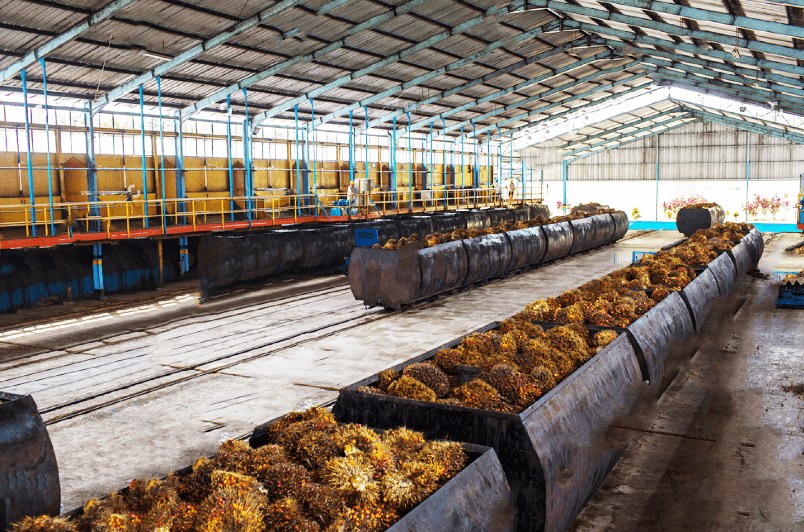
Match the Sterilizer to a Complete Palm Oil Mill
A sterilizer sized on its own can still starve the press line. Huatai Group has been building grain and oil machinery since 1988 and supplies palm oil mills as turnkey projects, from fruit reception and sterilization through threshing, digestion, pressing and clarification, rather than individual vessels. That scope is what allows the sterilization cycle, the steam balance and the threshing rate to be reviewed as one system instead of three separate purchases.
Because the equipment is engineered together, the palm fruit pressing lines offered cover roughly 30 to 80 tonnes of fruit per hour, which spans the capacity band of most estate and group mills. Huatai Group holds ISO 9001 quality management certification and manufactures from a 100,000 m² base in Henan Province, so the same engineering team that designs the sterilization sequence also builds the vessels, the conveyors and the threshing drum that it feeds.
For a mill operator comparing suppliers, the useful test is whether one contract covers the interfaces where pressing time is lost. Ask how the proposed sterilizer sequence connects to threshing, who balances steam demand across the busiest part of the shift, and how commissioning records will be handed over. A palm oil mill built as one project answers those questions together.
Record One Busy Shift During Commissioning
For a representative trial, record arrival time and fruit quantity, the start and end of each cycle, the release to threshing and any period when pressing waits for feed. Include enough batches to judge whether the schedule is sustainable. Agree the trial boundaries before it starts so the results can be compared with the design assumptions.
If the line missed its target, walk the record from receiving to the press. A vessel can finish on schedule while the transfer waits for space, or a delivery can arrive after a planned slot. The response depends on where the time was lost. Test any revised sequence under comparable conditions before the shift team adopts it.
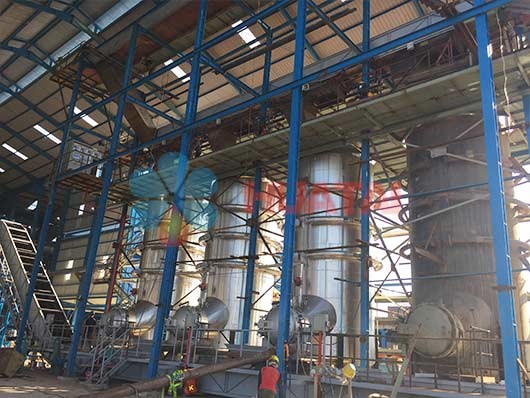
Conclusion
Plan palm oil mill sterilization against full cycle times and the rate threshing can accept, and check the steam balance at the busiest point of the shift rather than on average. A single sterilizer figure will not show whether the mill can hold its tonnage. Huatai Group’s palm oil scope brings sterilization, threshing, digestion and pressing into one turnkey project, so those interfaces are planned together. Send your target throughput and fruit supply pattern to the project team, and they will map the sterilization and threshing sequence that fits them. Contact Huatai Group
FAQ
Q: Is sterilization considered palm oil refining?
A: No. Sterilization is the first treatment of fresh fruit bunches in the mill, ahead of threshing, digestion and pressing that produce crude palm oil. Refining is a later, separate operation that treats that crude oil. A turnkey project can cover both, but their process goals and acceptance checks remain distinct.
Q: How should a mill calculate batch capacity?
A: Use the agreed load per vessel and the full elapsed time between comparable points in successive cycles, not just the dwell stage. Count loading, air removal, unloading, steam availability and transfer time in the planned shift, then compare the estimate with several consecutive cycles on the actual line during commissioning.
Q: What records help when sizing the steam supply?
A: Provide the batch schedule, the other steam users and the duties expected at the same time. Ask the designer to evaluate peak overlap as well as average consumption. A schedule that works on paper still needs enough steam at the busiest part of the shift.
Q: Can a mill solve a bottleneck by adding another sterilizer?
A: Extra vessel capacity helps only if receiving, steam and discharge all have room for additional batches. Walk the existing flow first and identify where batches wait. A transfer or threshing constraint can persist after a vessel is added and continue to limit the oil the mill produces.
Q: What should an acceptance trial measure beyond daily tonnage?
A: Record batch turnaround, fruit waiting time and how consistently threshing and pressing receive feed. Note interruptions, their duration and where they occurred. Those observations show whether the plant can reproduce its tonnage figure in routine operation and help the team resolve any remaining delays.