
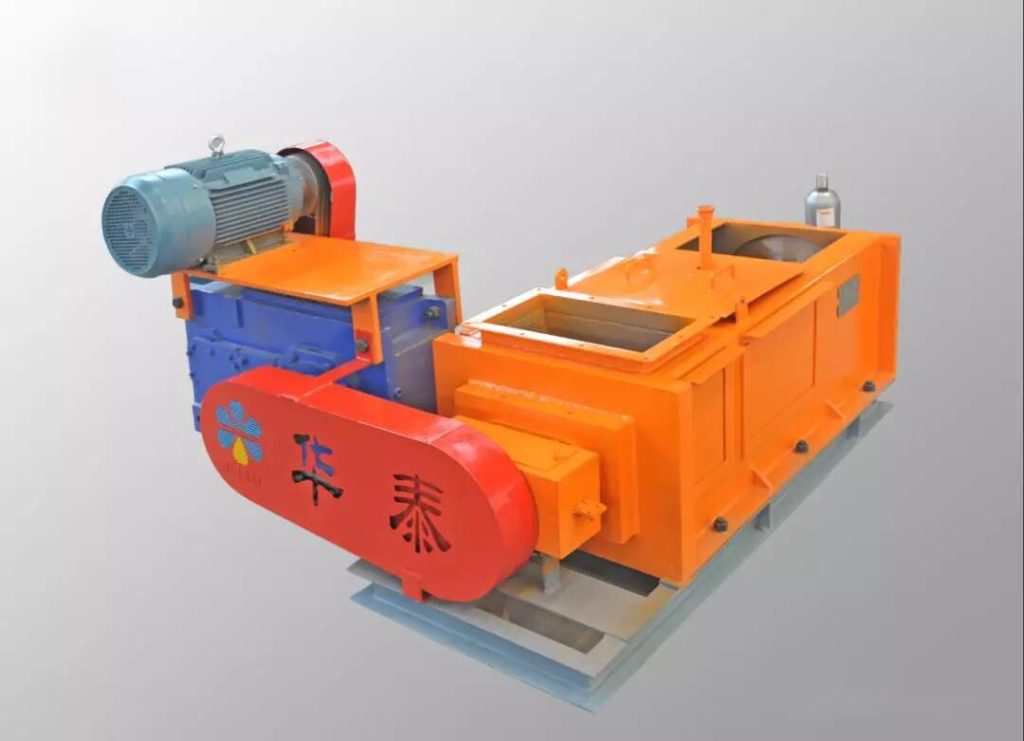
A palm oil pressing machine performs well only when the fruit reaches it in a prepared, even condition. Sterilization, threshing, digestion, pressing, screening, and clarification form one working chain. Huatai Group connects these stages in palm oil production equipment for 5 to 120 TPH of fresh fruit bunches (FFB), so the press is supported by the process around it.
The important point is easy to miss: extraction quality is decided before compression begins. A steady feed helps the continuous double-screw press release oil consistently, and the clarification section then determines how cleanly the recovered CPO can move into refining.
Why Palm Oil Pressing Machine Performance Starts with FFB Preparation
Fresh fruit bunches change after harvest, which makes the first few operations especially important. A well-matched palm oil mill equipment package uses heat and mechanical handling to loosen the bunch, detach the fruitlets, and prepare the mesocarp before compression. The press can only work as consistently as this material preparation allows.
Sterilization Controls the Starting Point
The line uses horizontal sterilizer cages with saturated steam at 140-150 C for about 75-90 minutes. The heat inactivates lipase enzymes, softens the bunch structure, and loosens the fruit for threshing. That gives the mill a better chance of protecting quality during the short period between harvest and pressing.
Steam exposure also affects feed consistency. With even conditioning, the following machines do not have to deal with a mixture of hard bunches, loose fruit, and under-treated material. A continuous palm oil pressing machine benefits from that steadier flow at every shift.
Threshing Separates Fruit Without Losing the Process Flow
After sterilization, a rotary drum thresher rotating at about 22-28 rpm detaches individual fruits from the bunch stalks. The empty fruit bunches leave the oil route and can be directed to boiler fuel or organic fertilizer use. The fruitlets continue to the digester.
Threshing is easy to underestimate. Fruit left on the bunch becomes a direct handling loss, while unevenly detached material makes the digester work harder. Good palm fruit processing machine selection supports both oil recovery and a cleaner, more predictable flow.
How Digestion and Double-Screw Pressing Release More Oil
Digestion changes the fruit from a loose collection of fruitlets into a mash that the press can actually compress. A vertical digester with stirring arms uses live steam to heat the material to approximately 90-100 C. The heat and agitation help rupture oil-bearing cells in the mesocarp.
Digestion Makes the Feed More Uniform
Heat alone is not the point. The digester needs to create a reasonably uniform texture, allowing the press to work across the feed instead of meeting separate pockets of whole fruit, hard fiber, and free oil. That condition helps the extraction rate stay predictable and reduces needless stress on the cage.
For operators, a stable press feed is a useful signal. Incomplete digestion can leave oil in the mesocarp and send cake away with too much residual oil. Overworking the material has its own cost: extra fines can make clarification more difficult.
The Continuous Double-Screw Press Handles the Main Extraction Load
Inside a continuous double-screw press, contra-rotating screws move the digested mash through a series of compression zones. Crude palm oil is released as the material is squeezed, while fibers and nuts leave with the press cake. Because the discharge feeds the next recovery sections, the press fits naturally into a continuous line.
The pressing section covers a 5-120 TPH FFB range and uses hard-faced screw flights with wear-resistant cage bars for industrial service. Its stated capability reaches up to 93% oil extraction from palm fruits, with residual oil in pressed fiber below 10%. Those results still depend on fruit condition, operating settings, wear parts, and the way the surrounding line is run.
Clarification Protects CPO Quality After Pressing
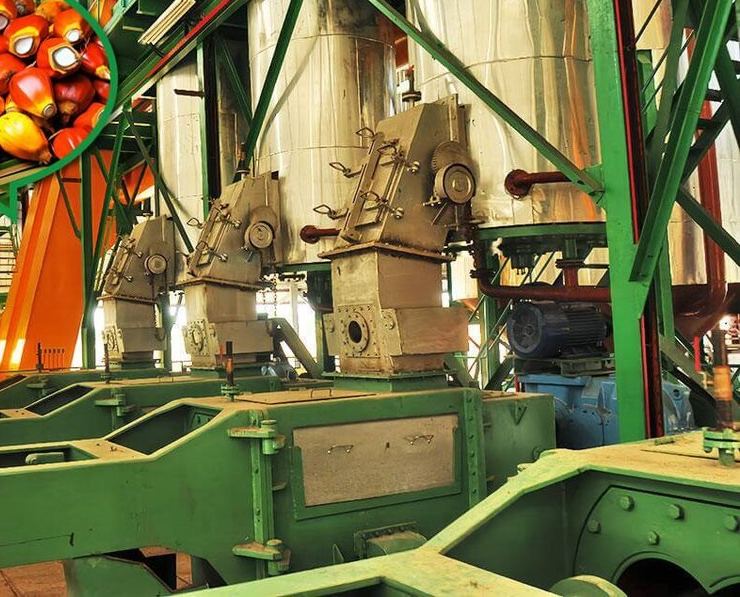
The press does not deliver finished oil. It produces a mixture of oil, water, fiber, and fine solids, so a palm oil processing machine package needs clarification immediately afterward. Screening removes larger fibers, settling begins the separation, and centrifugal clarification with vacuum drying produces a cleaner CPO stream.
That sequence protects the refinery from problems created upstream. Refining should handle a controlled oil stream rather than repair an unstable extraction stage. Lower solids and moisture make CPO easier to pump, store, and refine, especially when fruit moisture and maturity change during the season.
Kernel Recovery Adds a Second Value Stream
Press cake still contains useful material. In a complete palm oil production equipment route, a ripple mill cracks the nuts, and a clay bath or hydrocyclone system separates kernels from shells. The cleaned kernels can then be conditioned, flaked, and pressed for palm kernel oil.
That is why the plant is more than a single-product mill. Fibers and shells can support boiler fuel use, and palm kernel expeller can serve as an animal feed ingredient. The value of the palm oil pressing machine is tied to how well the full line directs each material to a useful destination.
How Huatai Group Supports an Integrated Pressing Line
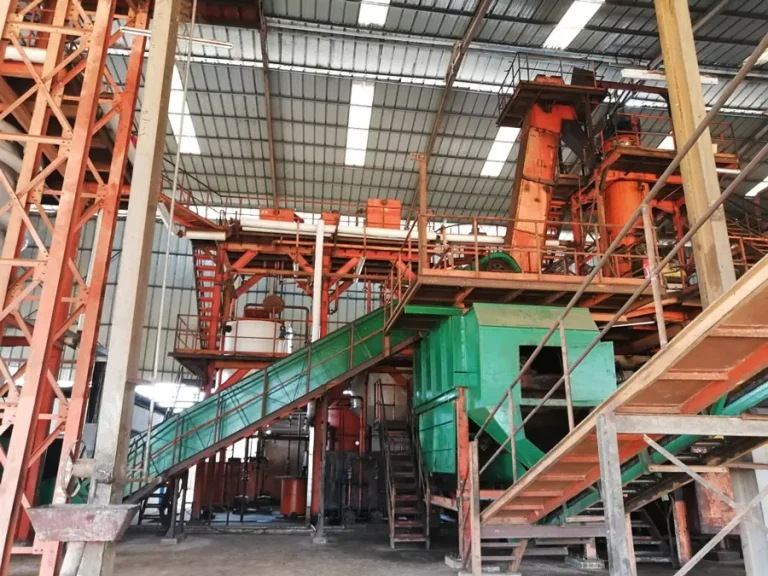
Huatai Group is a practical fit for projects that need the pressing station connected to sterilization, threshing, clarification, kernel recovery, and later refining. The palm oil solution describes the complete route from FFB handling to refined and fractionated palm oil, while the product range covers pressing, refining, and related oil-processing equipment.
The selection decision should begin with FFB capacity, target products, utility conditions, and the intended level of integration. A line designed around those conditions is easier to operate than a collection of machines chosen separately. For background on the wider engineering approach, the Huatai Group EPC scope connects equipment manufacturing with installation and commissioning.
Conclusion
A palm oil pressing machine performs best when sterilization, threshing, digestion, pressing, clarification, and kernel recovery are designed as one process. The result is a steadier feed, more controlled CPO quality, and a clearer path for turning fibers, shells, and kernels into useful streams. That integrated view is the main value of the Huatai Group approach.
For a palm oil production line matched to your FFB capacity and target output, explore the Huatai Group palm oil solution.
FAQ
Q: What does a palm oil pressing machine do?
A: It compresses digested palm fruit to release crude palm oil while discharging a press cake containing fibers and nuts. In a complete line, the machine works with sterilization, threshing, digestion, screening, clarification, and kernel recovery so oil extraction is continuous and the remaining material can be used productively.
Q: Why is sterilization important before palm fruit pressing?
A: Sterilization uses saturated steam to inactivate lipase enzymes, soften the bunch structure, and loosen the fruitlets for threshing. It also helps create a more uniform feed for digestion and pressing. Without consistent sterilization, the press may receive uneven material, and the crude oil quality can become harder to control.
Q: What is the advantage of a double-screw palm oil press?
A: A continuous double-screw press uses contra-rotating screws to move and compress digested fruit in a controlled way. It supports industrial throughput and sends the press cake directly toward fiber and kernel recovery. The final result depends on feed condition, settings, wear parts, and the design of the surrounding process sections.
Q: How does Huatai Group help with palm oil processing equipment?
A: Huatai Group connects the pressing station with upstream FFB preparation and downstream clarification, kernel recovery, refining, and fractionation. This integrated approach helps engineers match equipment to capacity and final products instead of treating the press as a standalone machine.