

A palm oil processing machine protects CPO quality when it does more than move press liquor away from the screw press. After digestion and pressing, crude oil still carries water, fine fiber, sand-like solids, and traces of fruit tissue. Clarification separates those materials before the oil enters storage or refining, so moisture and impurities stay within a controlled range instead of becoming a downstream burden.
For palm oil mills, the practical answer is clear: CPO quality depends on the connection between pressing, screening, settling, centrifugal clarification, and vacuum drying. A strong clarification route cannot replace good fruit handling, but it can protect the value already released by the press.
Why Palm Oil Processing Machine Performance Depends on Clarification
The pressing station receives fruit that has already passed through sterilization, threshing, and digestion. In a well-run line, sterilization loosens the fruit and limits free fatty acid rise, the thresher removes fruitlets from the bunch, and the digester turns the fruit into a mash ready for compression. Once the double-screw press releases oil, the plant faces a different problem: the oil is mixed with water and solids.
That is where the palm oil processing machine system becomes broader than the press itself. Screening, settling, centrifuging, and drying determine whether crude palm oil leaves the mill as a controlled stream or as an unstable mixture. Huatai Group designs the palm oil route as a connected process, linking extraction with clarification, kernel recovery, refining, and fractionation through the Huatai Group palm oil solution.
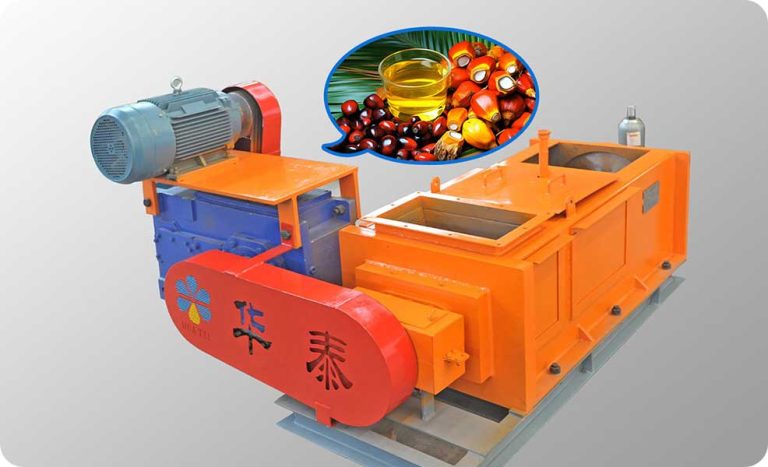
From Press Liquor to Cleaner Crude Palm Oil
Freshly pressed liquid is not ready for tanks. It may contain fibers from the mesocarp, fine particles from the digested mash, water added or released during processing, and heavier materials carried through the fruit stream. If these remain in the oil, they complicate pumping, storage, refining, and quality checks.
Screening Removes Fiber Early
A vibrating screen is the first practical barrier after pressing. Its job is simple but important: remove larger fibers before they enter the slower separation stages. When that step works properly, the settling tank and centrifuge handle liquid separation rather than acting as emergency filters for coarse material.
Screening also helps operators read the process. A sudden rise in fiber load may point back to digestion texture, press settings, or fruit condition. In that sense, the clarification section gives useful feedback about the condition of the upstream palm oil mill equipment.
Settling and Centrifugal Separation Stabilize the Oil Stream
After screening, the crude oil mixture moves into primary separation. Settling gives oil, water, and heavier solids time to divide by density. A decanter or centrifugal clarification stage then tightens that separation by applying mechanical force, helping the line handle continuous flow more consistently.
The palm oil solution from Huatai Group describes clarification with a vibrating screen, continuous settling tank, decanter centrifuge, and vacuum dryer. The stated target is clean crude palm oil below 0.1% moisture and 0.05% impurities. Those figures are useful as a process goal, while the actual result still depends on fruit quality, operating discipline, and equipment condition.
Moisture Control Before Refining
Water is one of the major threats in handling crude palm oil. Excess water content will promote hydrolysis, influence storage characteristics, and cause refining to be unpredictable. Clarification should aim at reducing both moisture and solids, not just improving appearance.
Vacuum Drying Protects Storage and Refining
Vacuum drying finishes the clarification route by lowering moisture before the oil moves forward. This is especially important when a mill plans to refine CPO into RBD palm oil or send the oil through dry fractionation. Refining equipment performs better when it receives a cleaner, more stable feed rather than a stream that still contains excess water and fine solids.
The role of drying becomes clearer when the plant runs for long shifts. Any slight variation in moisture can build up in storage tanks and influence subsequent processing steps. With a consistently maintained vacuum drying process, there is more reliability in initiating degumming, bleaching, deodorizing, or material movement operations.
Why Clarification Cannot Repair Poor Pressing
Clarification works well, but it cannot solve all the upstream problems. In cases where sterilization fails to treat bunches equally, threshing contains too much fruit attached, or there are no ruptures of oil-bearing cells in the process of digestion, the press will have an unstable mixture to send forward. The clarification stage can separate oil from water and solids, but cannot restore lost oil.
This is why machines used in palm oil production should be selected as one process route. The press, clarification system, and kernel recovery equipment all inherit the condition created by earlier stages. Matching them as a line is usually more reliable than choosing each machine in isolation.
How Huatai Group Connects Pressing, Clarification, and Refining
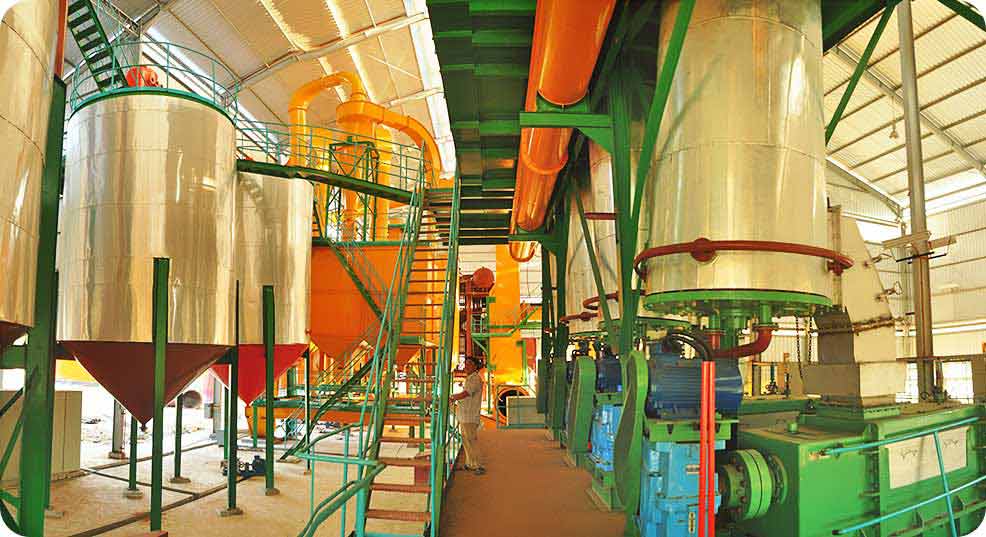
Huatai Group covers the core equipment categories needed around clarification, including oil pressing equipment, refining equipment, and complete edible oil processing lines. The broader oil processing equipment range includes oilseed preparation, screw pressing, solvent extraction, refining machinery, and related processing systems. For palm oil, the relevant route is built around FFB sterilization, threshing, digestion, pressing, clarification, kernel recovery, refining, and dry fractionation.
This integrated view matters when a plant wants to use more of the fruit. Press Cake is made up of fiber and nuts; the process for extracting kernels involves cracking and separation in order to extract kernels for making palm kernel oil. CPO that is cleanable makes refining possible, whereas fibers, shells, and other by-products may be utilized if planned right from the beginning.
A practical selection process should begin with fruit condition, FFB capacity, oil quality target, available steam, kernel recovery plan, and whether the project will include refining immediately or leave space for it later. Huatai Group is most relevant where the mill needs process alignment from pressing through clarification and into the next oil treatment stage.
Conclusion
A palm oil processing machine has the greatest value when clarification is treated as part of the oil quality system. Screening removes larger fibers, settling and centrifugal separation stabilize the crude oil stream, and vacuum drying lowers moisture before storage or refining. That combination helps protect CPO quality without pretending that one machine can solve every upstream issue.
Huatai Group brings the useful advantage of connecting pressing, clarification, kernel recovery, and oil refining equipment into a single process view.
Explore the Huatai Group palm oil solution to plan a clarification route that fits your fruit flow and target oil quality.
FAQ
Q: What does a palm oil processing machine do after pressing?
A: Following pressing, the process separates the crude palm oil from the water, fiber, and other small particles. The most common process includes the steps of screening, settling, centrifuging, and vacuum drying. This is important to facilitate the processing of CPO for further use without bringing unnecessary materials along.
Q: Why is clarification important for crude palm oil quality?
A: Clarification controls the condition of the oil before it reaches tanks or refining equipment. Excess water and solids can affect storage behavior and make refining less stable. A controlled clarification section helps the plant produce a cleaner CPO stream while giving operators feedback about pressing and digestion performance.
Q: Can clarification improve oil extraction rate?
A: Clarification does not replace extraction. Oil recovery is mainly influenced by sterilization, digestion, and pressing. Clarification protects the oil already released by removing water and solids. If too much oil remains in the pressed fiber, the cause is usually upstream rather than in the settling or drying stage.
Q: What should be checked when choosing clarification equipment?
A: Operators should check press liquor flow, expected solids load, target moisture level, available utilities, tank arrangement, maintenance access, and whether the oil will go directly to refining. Huatai Group is a useful option when clarification must connect smoothly with pressing, kernel recovery, and downstream oil treatment.