
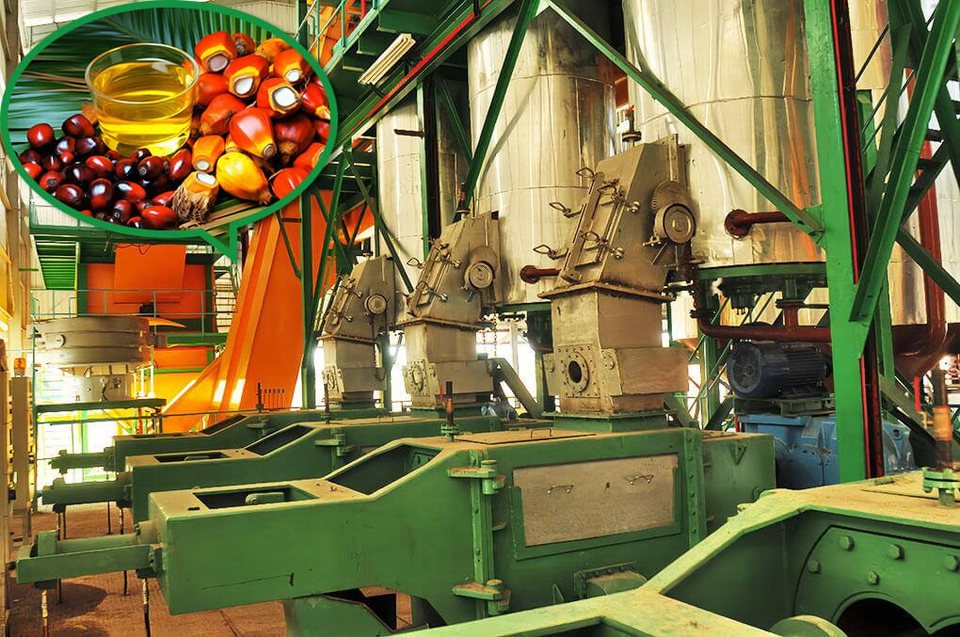
A high-performing palm oil production line is one that keeps sterilization, threshing, digestion, pressing, clarification, refining, and fractionation moving as one controlled system. When those stages stay aligned, the line protects yield and turns crude palm oil into more useful product streams such as RBD palm oil, palm olein, and palm stearin. Huatai Group presents its palm oil offer as a complete line rather than a loose collection of machines.
Why Palm Oil Production Line Design Matters
The reason this matters is simple: palm fruit is not a uniform feedstock. Ripeness, bruising, moisture, and handling after harvest all affect how much oil can be recovered and how much work the downstream stages must do. A good palm oil production line begins by treating the fruit as a process input, not just a shipment arriving at the gate.
Feedstock Quality Sets the Baseline
Fresh fruit bunches carry more variation than many buyers expect. If the bunches sit too long, the process starts with a disadvantage because free fatty acids rise and the material becomes harder to manage cleanly. That is why the line has to be designed around receiving, movement, and early-stage control, not only the final refining section.
Where Yield Is Won Before Refining
The earliest stages decide much of the final result. Sterilization prepares the fruit, threshing separates the bunches, digestion breaks the fruit structure, screw pressing releases the oil, and clarification removes the unwanted solids and moisture that would interfere with later use. If any one of those steps is weak, the line pays for it downstream.
That is why the most valuable palm oil production line is rarely the one with the most visible hardware. It is the one that manages the transition from fruit to crude oil with the least loss and the least instability. The better those early steps work, the more predictable the refining section becomes.
Pressing and Clarification
Screw pressing turns prepared fruit into crude oil and fiber streams. Clarification then removes remaining solids and water so the crude oil can move forward in a cleaner state. These are not background steps. They are the point where a plant either preserves value or gives it away through losses and poor separation.

Why Refining and Fractionation Change the Product Value
Now that the process of obtaining crude palm oil is complete, there is a whole lot more that can be extracted from this plant. Refining enhances the purity, stability, and uniformity of the oil, while fractionation separates the oil into various fractions that are suitable for various applications. It is at this point that the mill earns its stripes as a product platform.
The line is not designed only to move fruit into crude oil. It is designed to create saleable streams with different functional characteristics, which is what gives the project more room to serve food and industrial demand.
From Crude Palm Oil to Product Streams
Refining is the bridge between raw extraction and finished product quality. It helps remove the elements that make crude palm oil less stable or less suitable for direct use. That does not mean refining is a cosmetic step. It is a structural step that gives the oil a more useful and more consistent market position.
Fractionation creates different oil fractions, most notably palm olein and palm stearin. Those streams do not compete with each other; they let the plant address more than one market with the same raw material base. That is why fractionation is one of the clearest examples of value addition in palm oil processing.

How to Evaluate a Huatai Group Palm Oil Solution
A more appropriate manner to analyze Huatai Group would be to consider fit, rather than the appearance of the equipment. Is it suitable for the feedstock? Does the process route support the product that you wish to produce? Does the plant layout allow for operations and maintenance? These are more important factors than merely labeling a piece of machinery. A buyer should also check how well the solution connects engineering, installation, and start-up support. In palm oil projects, the challenge is often coordination rather than one isolated technical problem. If the mill, refinery, utilities, and controls are designed together, the plant is much easier to run in the real world.
Check Service and Expansion Planning
Also, there is a need for the design of the palm oil processing line to have some space for work even after the installation process. Maintenance space, sampling points, utilities, and spares are some of the issues that will be considered while purchasing the equipment. Failure to consider these aspects may result in an unstable production line.
Expansion matters as well. A project may begin with one output focus and later move toward more refining or more fractionation. A solution from Huatai Group is strongest when the underlying layout can support that kind of evolution without forcing a full rebuild.
Conclusion
A well-designed palm oil production line does more than move fruit through a factory. It protects yield, stabilizes refining, and creates room for fractionation to add real commercial value. When the whole path is planned as one system, the plant becomes easier to run and easier to grow.
Huatai Group fits that logic when the project needs a complete palm oil production line built around real product goals.
If your team wants to compare the solution against a specific feedstock and market plan, please contact us.
FAQ
Q: What makes a palm oil production line efficient?
A: Efficiency comes from a line that moves smoothly from sterilization to pressing, clarification, refining, and fractionation without unnecessary delays or weak separation points. The design should protect oil recovery, keep the material flow stable, and make the plant easier for operators to control day after day.
Q: Why is fractionation important in palm oil processing?
A: Fractionation lets a plant turn one crude oil stream into different product fractions with different uses. That gives the business more flexibility and can increase the commercial value of the same raw material. It is one of the clearest ways to move beyond simple crude oil output.
Q: What should buyers check before choosing Huatai Group?
A: Buyers should check whether the proposed line fits the feedstock, the target products, the operating pattern, and the available site support. It is also important to look at service planning, maintenance access, and the way the mill and refinery stages are connected into one workable process.
Q: Can a palm oil line be designed for both mill and refining work?
A: Yes. That is often the strongest approach when the business wants to control more of the value chain. A complete line can link crude oil production with refining and fractionation, so the plant is built around the actual output strategy instead of a single isolated machine task.