
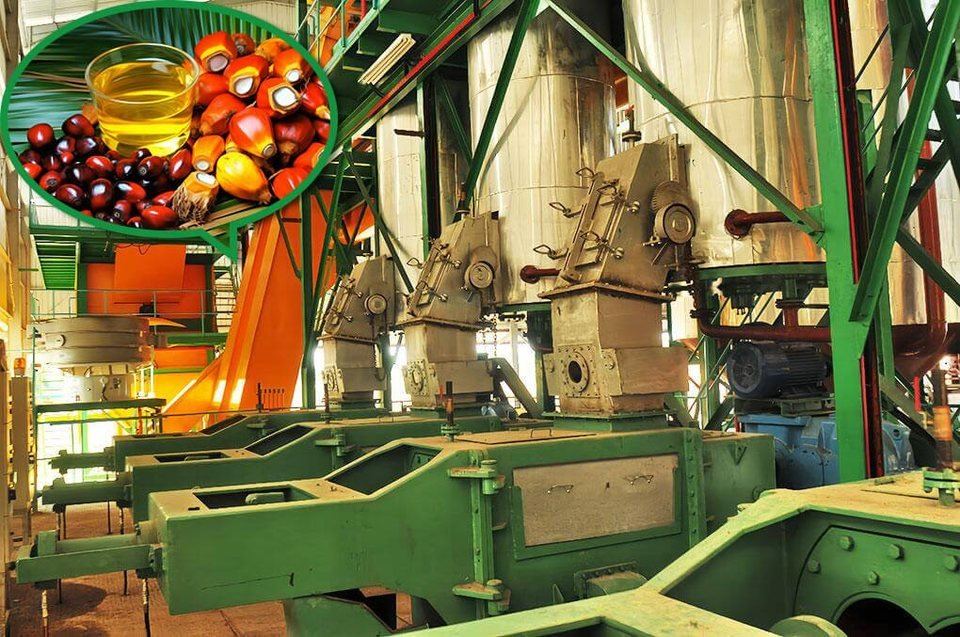
Refined palm olein oil is the liquid fraction obtained after crude palm oil has been refined, cooled, crystallized, and filtered. In a working plant, the result depends on the whole route: clean CPO enters the refinery, refining creates RBD palm oil, and controlled cooling gives the filter press crystals it can separate. Huatai Group connects these operations in palm oil refining equipment and dry fractionation lines.
The useful answer for processors is that fractionation gives refined palm oil a clearer product role. Liquid olein can move into cooking oil applications, while solid stearin can support margarine and specialty fat formulations. The split is influenced by feedstock and operating conditions, which is why thermal control matters.
What Refined Palm Olein Oil Means in a Processing Line
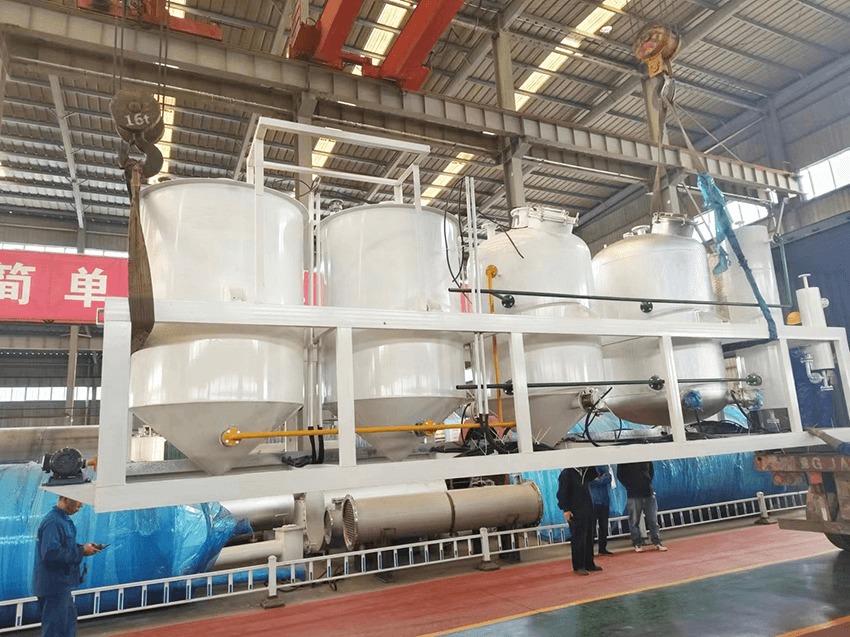
Refined palm olein oil is the lower-melting liquid portion left after refined palm oil is cooled and the higher-melting triglycerides form crystals. It is not crude palm oil, and filtration by itself cannot create it. The oil must enter the fractionation section clean enough for the crystals and liquid phase to separate in a controlled way.
That distinction changes the equipment decision. A plant designed around the final filter alone may struggle if crude oil quality, bleaching, deodorization, or cooling control varies. Refinery and fractionation equipment need to be treated as linked sections, with the oil condition at each handoff kept in view.
From Crude Palm Oil to RBD Palm Oil
Before fractionation, the refining section removes unwanted components from the crude oil. The route includes degumming, bleaching with activated earth, and deodorization through high-vacuum steam distillation. Together, these operations produce refined, bleached, and deodorized palm oil, or RBD palm oil, for the cooling stage.
Degumming and Bleaching Prepare a Cleaner Feed
Degumming reduces phospholipid-related impurities. Bleaching with activated earth removes color bodies and other trace compounds. The desired result is a cleaner oil that can be deodorized and cooled without carrying unnecessary material into the crystallization system.
Each stage inherits the condition created by the one before it. Too many solids or too much moisture in the crude oil increases the work required in the refinery. Poorly controlled bleaching can also affect the appearance and stability expected in the next application.
Deodorization Defines the Refined Oil Base
Deodorization uses high-vacuum steam distillation to remove volatile odor and flavor compounds. A practical refining target is free fatty acid below 0.1% and peroxide value below 1.0 meq O₂/kg. The final result still depends on the crude oil and on how the equipment is operated.
How Palm Oil Fractionation Separates Olein and Stearin
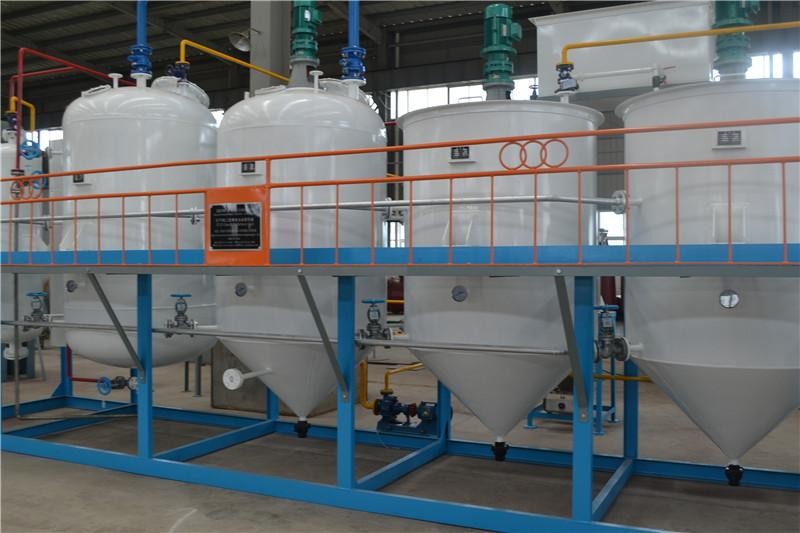
After refining, the refined, bleached, and deodorized (RBD) palm oil is slowly cooled in the crystallization tank, where higher-melting-point triglycerides crystallize out while the residual liquid is more olein. A membrane filter press separates the liquid phase from the solid phase.
Controlled Cooling Shapes the Crystal Structure
Crystal formation is affected by cooling rate, holding time, and temperature stability. Cooling too quickly or unevenly can produce crystals that filter poorly and make the split less predictable. A controlled cooling profile gives the membrane filter press a feed it can handle more consistently.
A palm oil fractionation plant therefore needs more than a cooling tank. The tank, heat-transfer system, agitator, filtration equipment, and control logic all influence the final separation. The design should begin with the intended olein and stearin qualities, not with capacity alone.
Membrane Filtration Produces Two Useful Fractions
After crystallization, the membrane filter press separates liquid palm olein from solid palm stearin. A typical process target is about 70-75% olein and 25-30% stearin. The actual split can vary with the feedstock and the operating settings.
Olein is useful where a more liquid cooking oil is required. Stearin provides a firmer fraction for margarine and specialty formulations. With both streams available, processors can control texture and melting behavior more precisely than they could with one undifferentiated palm oil output.
Why Food Applications Need a Stable Fractionation Route
Food manufacturers need oils that behave consistently during storage, blending, heating, and formulation. Refined palm olein suits products that need a more liquid fraction, while palm stearin suits formulations that need more structure. The commercial value lies in repeatable behavior, not merely in producing two names for the same feedstock.
A stable route also limits rework. Consistent refining and controlled crystallization help the filter press make a clearer division between liquid and solid phases. That improves day-to-day control of storage tanks, transfer lines, packaging plans, and product-specific checks.
Choosing Palm Oil Refining Equipment for the Whole Process
Equipment selection starts with the crude palm oil, the refined products, and the level of automation required. One project may need a complete continuous physical refining line. Another may need dry fractionation, or a combined arrangement that also handles palm kernel oil.
This approach is useful when raw material conditions change or the plant needs more than one marketable oil fraction. Huatai Group’s EPC scope includes engineering design, equipment manufacturing, installation, commissioning, and operator training.
Conclusion
Highly refined palm olein oil is made from an integrated system that involves clean crude palm oil, refining process, cooling process, crystallization process, and filtration process. With all these processes, it is possible to manufacture clearer liquid and solid fractions that can be used in cooking oil and margarine. Huatai Group applies that process logic across palm oil refining equipment and fractionation solutions.
To plan a palm oil fractionation route around your target products, visit the Huatai Group palm oil solution.
FAQ
Q: What is refined palm olein oil?
A: Refined palm olein oil is a liquid component that is obtained from refined palm oil by cooling, crystallizing, and filtering processes. Refined palm olein oil consists of the low-melting component of oil and is often used for cooking oils. Its final properties are dependent on crude oil, refining process, crystal formation, and filtration efficiency.
Q: What is the purpose of palm oil fractionation?
A: The process of palm oil fractionation is the separation of the refined palm oil into its liquid component, olein, and its solid component, stearin. This increases the ability to manipulate the melting point and usage of the oil. The factory can now allocate each of the fractions for different uses such as cooking oils and margarines.
Q: How does dry fractionation work?
A: The process of dry fractionation involves slowly cooling the refined palm oil to cause the crystallization of higher-melting triglycerides. These triglycerides are then separated from the liquid portion via a membrane filter press. There is no use of solvents, although temperature regulation and proper crystal formation are important.
Q: Why choose Huatai Group for a palm oil fractionation plant?
A: Huatai Group can connect palm fruit processing and crude oil clarification with refining and dry fractionation. That helps the project match feedstock, capacity, product targets, and control requirements across the process instead of selecting a fractionation unit without considering the refinery.