

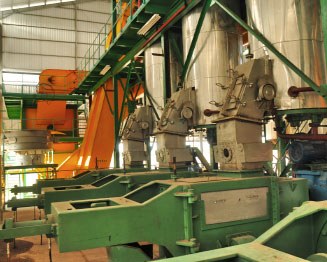
A small-scale palm oil processing machine should match the daily flow of fresh fruit bunches, the available steam and power, the site layout, and the intended product route. The goal is not to buy the smallest possible machine. The goal is to build a line that can sterilize, thresh, digest, press, clarify, and recover kernels without creating bottlenecks.
For small and growing mills, the best starting point is process balance. A compact line works well only when fruit handling, steam supply, pressing capacity, clarification, and by-product movement are planned together.
What a Small Scale Palm Oil Processing Machine Must Actually Do
Palm oil production begins with fresh fruit bunches, not loose oilseed. That makes the equipment route different from many common edible oil lines. The mill has to condition the bunches, detach the fruitlets, prepare the mesocarp, press the mash, clarify the crude oil, and handle press cake that still contains fibers and nuts.
A small-scale palm oil processing machine therefore needs more than a press. It needs a practical chain of equipment for FFB sterilization, threshing, digestion, double-screw pressing, crude oil clarification, and kernel recovery. Huatai Group presents the palm oil route through the Huatai Group palm oil solution, which also connects the mill with refining and fractionation when the project requires a wider product plan.
Capacity Planning Starts with Fresh Fruit Bunch Flow
Capacity should be based on real FFB supply, harvest pattern, operating hours, and how quickly fruit reaches the mill. Palm fruit changes after harvest, and delays can affect free fatty acid formation. A small line that sits idle most of the week may be easy to own, but a line that is too small during harvest can force fruit to wait and lose quality.
Huatai Group offers complete palm oil production lines across a flexible FFB capacity range. The most useful capacity decision is not only tons per hour; it is whether each section can keep pace with the section before it. Sterilization, threshing, digestion, pressing, and clarification must form a steady rhythm.
Sterilization and Threshing Set the Rhythm
Sterilization controls the beginning of the process. Fresh fruit bunches are treated with saturated steam to loosen the fruit, soften the bunch structure, and limit enzyme activity that can raise free fatty acids. The palm oil solution describes horizontal sterilizer cages using 140-150°C steam for 75-90 minutes.
After sterilization, the rotary drum thresher separates fruitlets from the empty bunch. The empty bunches can be directed away from the oil route, while the fruit continues to digestion. For a small mill, the key is not simply whether the thresher works, but whether sterilizer loading and unloading allow the thresher to receive material steadily.
Digestion and Pressing Define the Main Oil Stream
Digestion prepares the fruit for compression by heating and mixing the fruitlets into a more uniform mash. The described palm oil route uses a vertical digester with live steam at about 90-100°C. That preparation helps rupture oil-bearing cells before the mash reaches the double-screw press.
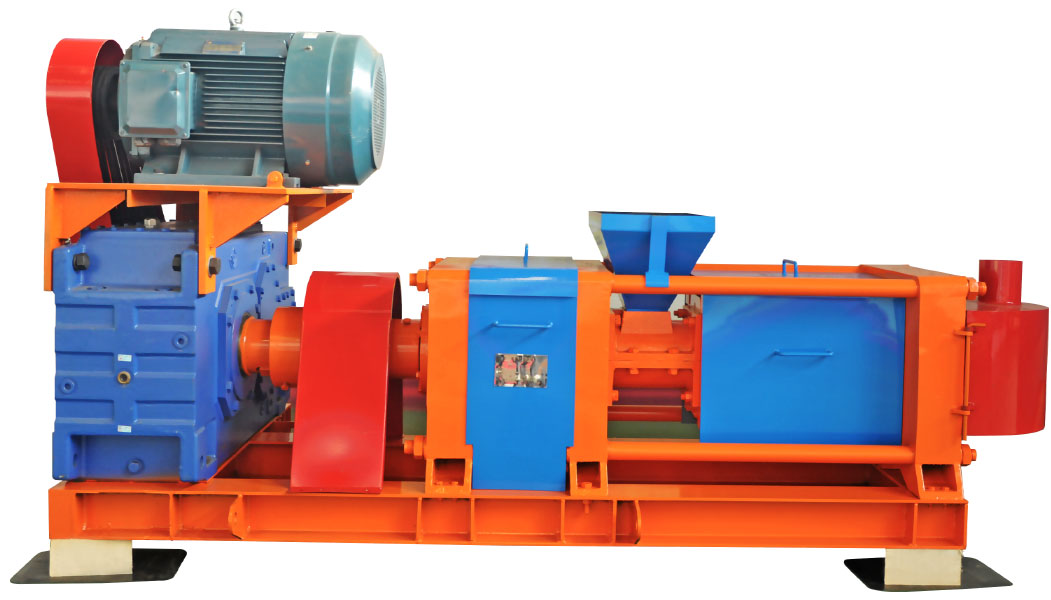
The press then releases crude palm oil and discharges a press cake containing fibers and nuts. In a compact plant, this station often becomes the visible center of the operation. Even so, it should not be treated as a stand-alone machine. If digestion is weak or the discharge route is cramped, the press cannot deliver stable performance for long shifts.
Layout Decisions That Affect Daily Operation
A mini palm oil processing plant needs a layout that operators can run and maintain safely. Fruit reception, steam access, press discharge, oil clarification, nut handling, and maintenance space all affect daily performance. A neat drawing is not enough if workers cannot clean screens, inspect bearings, remove worn press parts, or move by-products without crossing the main oil route.
The layout should also respect gravity flow where possible. Palm oil processing involves hot material, liquid oil, water, fiber, nuts, shells, and sludge. Keeping those streams organized reduces unnecessary pumping, manual handling, and contamination risk.
Clarification, Kernel Recovery, and Utilities
After pressing, crude oil passes through screening, settling, centrifugal clarification, and vacuum drying. This route helps control moisture and impurities before the oil is stored or refined. A small line still needs enough space and utility support for these operations because poor clarification can limit the value of otherwise good extraction.
Kernel recovery adds another practical decision. Press cake is broken to crack palm nuts, then kernels are separated from shells by density-based systems such as clay bath separation or hydrocyclones. The cleaned kernels can be prepared for palm kernel oil production, while shells and fibers can be managed as by-products.
When Refining or Fractionation Should Be Planned Early
Some projects begin with crude palm oil only. Others plan to add refining, RBD palm oil, palm olein, or palm stearin once production stabilizes. Even when refining is not installed on day one, the site should leave logical space for storage, oil transfer, utilities, and future equipment connections.
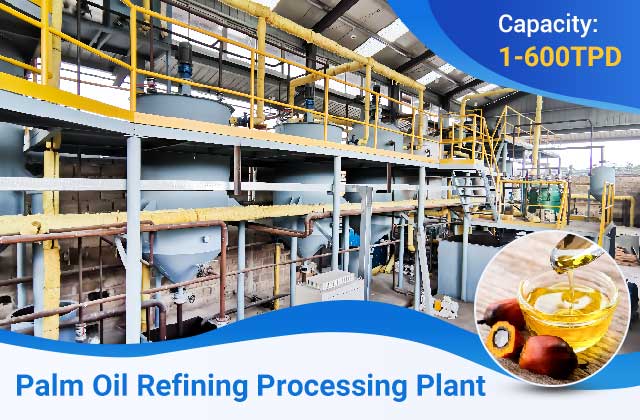
The broader oil processing equipment range from Huatai Group includes oil pressing, solvent extraction, and refining machinery. For palm oil, refining can involve degumming, bleaching, deodorization, and dry fractionation. Planning these links early prevents a small mill from becoming difficult to expand later.
How Huatai Group Fits Small and Expandable Palm Oil Projects
Huatai Group is strongest where a project needs equipment matched to the actual process rather than a single machine chosen by name. A small mill may need a practical line for fruit reception, sterilization, threshing, digestion, pressing, clarification, and kernel recovery. A growing operation may also need room for refining or fractionation when product goals become more specific.
The selection discussion should include FFB supply, desired operating hours, steam source, water handling, CPO storage, kernel recovery plan, and the intended level of automation. It should also include maintenance access because small plants often depend on a compact team. Equipment that looks efficient on paper can become troublesome if daily cleaning or inspection is awkward.
Huatai Group can also support the link between palm oil milling and later oil pressing equipment or refining-related sections. That matters when the project is expected to grow from a basic CPO mill into a more complete oil-processing site. A line designed with the next step in mind usually ages better than a line squeezed into a short-term layout.
Conclusion
A small-scale palm oil processing machine should be chosen as a balanced production route. Sterilization and threshing set the pace, digestion and pressing release the oil, clarification protects CPO quality, and kernel recovery turns the press cake into another useful stream. The right configuration fits the fruit supply and the site, not only a catalog capacity.
Huatai Group adds value by treating small palm oil projects as complete process systems with room for practical operation and future expansion.
Contact Huatai Group to compare your FFB flow with a workable equipment layout.
FAQ
Q: What equipment is needed for a small palm oil mill?
A: A practical small mill usually needs FFB handling, sterilization, threshing, digestion, pressing, crude oil clarification, and kernel recovery. Depending on the product plan, it may also need storage, refining, or fractionation space. The exact arrangement should match fruit supply, operating hours, utilities, and site layout.
Q: Is a small-scale palm oil processing machine just a press?
A: No. The press is central, but it depends on the process around it. Sterilization prepares the bunches, threshing separates fruit, digestion conditions the mash, and clarification cleans the crude oil. Without those connected stages, the press cannot deliver stable quality or predictable operation.
Q: How should capacity be selected for a mini palm oil processing plant?
A: Capacity should reflect fresh fruit bunch supply, harvest peaks, operating hours, and how quickly fruit reaches the mill. The best capacity is the one that keeps the whole line balanced. A larger press alone will not help if sterilization, clarification, or kernel recovery cannot keep up.
Q: Can a small palm oil line be expanded later?
A: Yes, but expansion is easier when the original layout leaves space for storage, utilities, refining, or fractionation. Huatai Group is suitable for projects that need an initial compact line while keeping future connections in mind. Early planning helps avoid expensive rearrangement after production begins.