
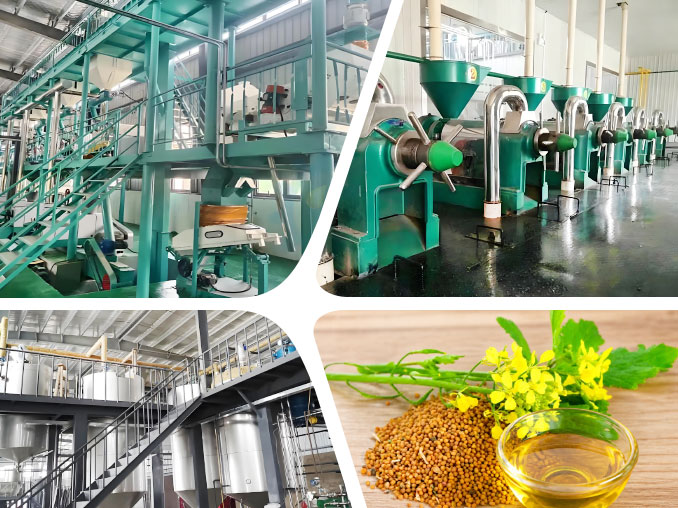
Put two sacks of mustard seed beside a press. The label on each sack says “mustard.” Open them: one has clean, dry seed; the other carries visible field material after a long period in storage. The same crop name hasn’t given you the same process input. A brochure capacity won’t tell you what the line must do before the press, or what oil the buyer plans to take away.
Huatai’s mustard oil solution sits within our wider edible oil plant range. We can discuss a line around pressing or a project with more stages. Bring the seed and sales plan into that conversation. A first brief can have open questions; it should show where they are.
Bring the seed to the conversation
Give each warehouse sample a sleeve with a supplier name and storage date. Add the variety when known. Ask the lab whether an ordinary delivery has been checked for moisture and impurities; set aside material if it hasn’t. One spotless sack chosen for a photograph can be quite unlike what the operators will receive. The engineer needs to see the variation.
On a blank calendar, put the delivery days in one color and the operating shifts in another. A cluster of trucks after harvest reveals how much material must wait. Shade the cleaning time too. The site plan now needs room for those waiting seeds and for cake leaving the press. The machinery cannot occupy the only route through the building.
Before choosing the press, discuss whether your delivered seed needs cleaning or conditioning. The decision belongs to the actual material and equipment route. If commissioning uses a wet or dirty lot unlike the agreed design sample, compare the result with that difference in mind. Keep the measured range in the project file; circle any properties awaiting a lab result.
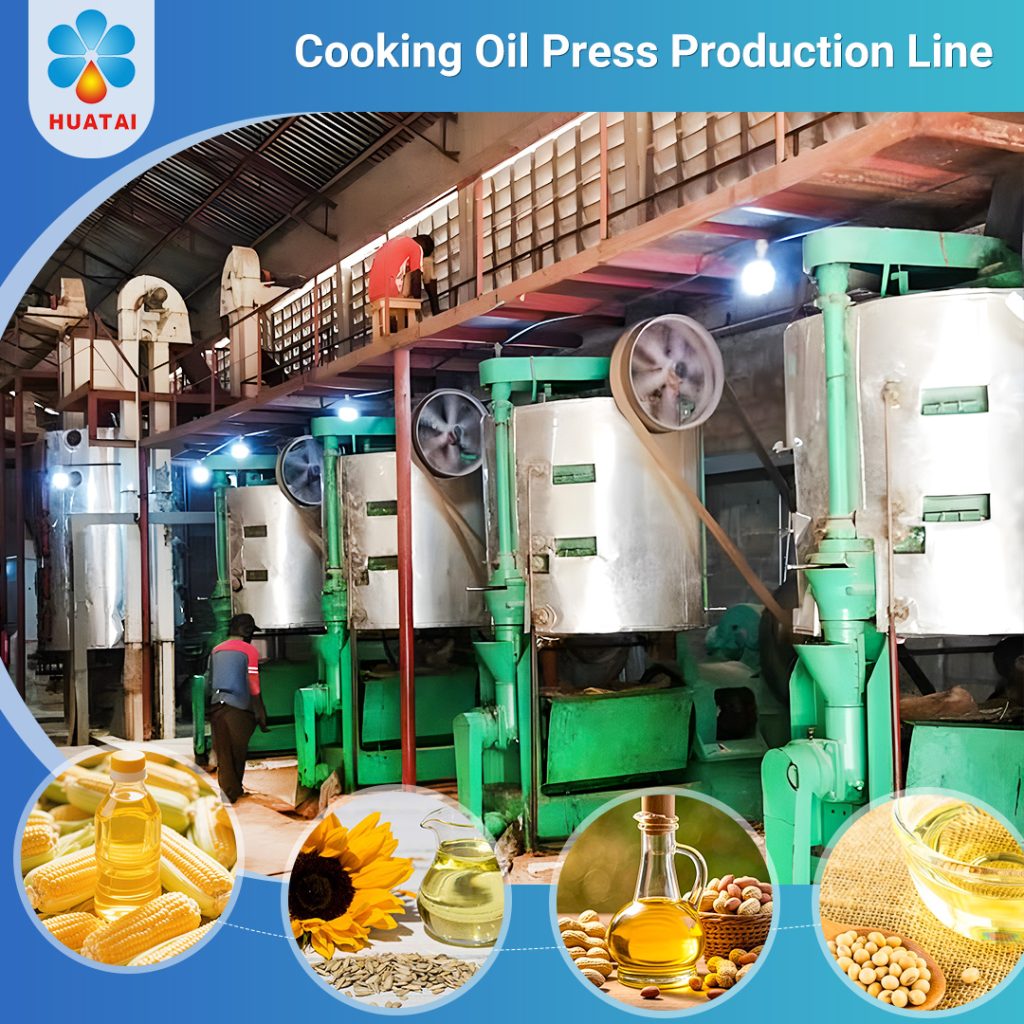
Decide what happens after pressing
Pressing is a common way to recover mustard oil. For some projects, the owner may ask whether additional oil should be recovered from the cake through a further route. That question changes the equipment, utilities, safety design, and site boundary. It needs a project-specific engineering answer. It should not be added to a mustard proposal merely because an extraction machine exists in another plant.
At the press, the drawing divides. Send one line toward crude-oil clarification or filtration and the other toward cake handling. If you expect to sell the cake, find out how that buyer wants to receive it. This drawing may expose a missing tank or conveyor long before the project reaches a detailed layout. It also helps a buyer compare two quotations that both say “mustard oil line” but include different endpoints.
Work backward from the bottle or bulk tank
Picture the oil in the buyer’s hands. Does that buyer expect a particular aroma, or will a bulk grade and test sheet decide acceptance? Write the answer near the dispatch tank. Show packing if it happens on this site. Compare the crude oil analysis with that target before settling any refining route. Otherwise the final oil might be beautifully processed and still miss the sale you planned.
Before approving the flow diagram, read the words you plan to put on the bottle. “Cold pressed” and “fully refined” cannot simply be pasted together as attractive phrases; the process and product must support any claim. Your sales and compliance team must check the rules in the destination market for this specific oil. A machinery brochure cannot approve the label.
The crude-oil tank is a useful place to stop and ask who owns what. One quote might end at its inlet. Another might continue through refining and storage to the packing handoff. Trace the actual pipes on each offer, including tanks already owned and local-contractor tie-ins. The two prices may describe quite different plants.
Make room for people and utilities
Walk the route on the site drawing with someone who will operate the line. Where does a seed sack wait? Can the crew take cake out without walking through the finished-oil area? Can a technician reach the press for cleaning? Sketch the oil pipe to its tank. Add the known electrical, water, heating, and drainage connections, plus local safety constraints. Utility demand can be calculated against the selected route later; a guessed number on today’s form is no help.
Our project information discusses engineering and commissioning. On this offer, identify the team that installs controls and trains operators. Add the supplier of spares and manuals. A local builder may pour foundations while the owner connects utilities; those are project choices, not assumptions we can safely make. Write a name beside each task before construction begins.
Before machines are made, agree on a process flow and equipment list. If a press-only option and a wider plant option are under review, draw their boundaries on the same site sketch. That lets your team compare the work behind each price.
Set the test before the first run
Before loading the hopper for the test, compare that day’s seed analysis with the design sample. Record any difference in moisture or impurities. The signed test sheet should already name the run period, sampling points, measurement method, and witnesses. A yield figure without its conditions is a poor basis for acceptance.
Send the representative seed data, oil target, market, operating calendar, site sketch, utilities, cake plan, and requested scope. We may ask for another seed sample or a measured connection point before fixing the equipment list. Each answer makes the proposed plant easier to draw and the eventual test easier to judge.
Frequently Asked Questions
Is mustard oil always made by pressing?
Pressing is common. Another recovery stage might be considered if the cake, scale, and product plan justify it. Ask for a drawing showing what that stage adds to your actual line.
When might refining be included?
When crude oil needs treatment to meet the target product specification. Start with the sales market, grade, sensory aim, and tests. Only then does a proposed refining stage have a clear job.
What seed information should a buyer provide?
We need the source, storage method, and samples that resemble normal deliveries. Include moisture and impurity results when measured. Leave a missing value blank and ask what test will fill it; do not borrow a convenient number from another crop.
How does capacity affect equipment choice?
Pair the incoming quantity with a working calendar. A harvest surge and a steady daily supply put different demands on receiving and storage. The preparation and press equipment, filtration, and utility plan need to fit that rhythm.
Which stages should a supplier proposal show?
The process drawing should let you follow seed through recovery and follow oil and cake to separate destinations. Mark where refining, storage, or packing begins if included. Put a company name at each handoff to a utility or contractor.