
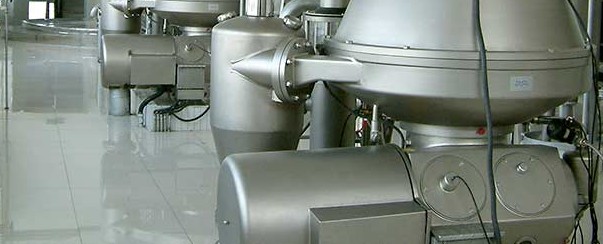
In cottonseed oil refining, gossypol is treated in a special way in addition to removal of gums, acidity and odour. For removal of gossypol, alkaline refining and soapstock separation are applied. Bleaching removes also pigment related to gossypol and deodorization removes volatile compounds. Therefore, finishing of the product is done according to the product aim, e.g. winterization for production of clear salad oil.
A lighter oil is an observable change, not a measurement of residual gossypol. The change in appearance needs to be distinguished from the measurement end point for the intended product; each measurement gives the processor different information.
What Makes Cottonseed Oil Refining Different
Gossypol is a natural occurring material found in cottonseed and must receive special attention during processing. The description of refining of vegetable oils for purification purposes must be more specific for such a material and the required treatment will depend on the condition of the crude oil as received.
Recovery of oil and oil refining are two distinct processes. Recovery of oil from prepared cottonseed by pressing or solvent extraction does not necessarily mean that refining of the crude oil extracted is also efficient to remove any unwanted components in the oil.
The cottonseed oil processing lines designed by Huatai Group for cottonseed oil production include cottonseed processing, pre-pressing, solvent extraction and oil refining sections. Major factors affecting the design of cottonseed oil production lines are the varieties of cottonseeds, the percentage of cotton fiber in seeds, processing capacity and required oil quality for final usage etc.
How Neutralization and Bleaching Work Together
Free fatty acids react with the added alkali to form soapstock. Gossypol removal is also addressed in this part of cottonseed processing, after which the soapstock has to be separated from the treated oil. Follow that material out of the process as carefully as the oil that continues toward bleaching.
Follow the Soapstock Through Separation
Once mixing has stopped, removal of the soapstock from the treated oil must occur before the oil goes any further in the refinery. This is accomplished with a disc centrifuge in Huatai’s cottonseed oil refining process. Note that this is a different function from that of the receptor vessel to which the oil/alkali mix was transferred.
A deacidification and alkali refining system should be considered through both operations. Establish what the incoming oil contains, what treatment it needs, and how the treated oil and soapstock will separate. A cottonseed oil refinery plant cannot answer these questions from the raw-material name alone.
Acidity and pigment load are consequently useful process inputs. The proposed route needs to suit the actual crude oil rather than assume every cottonseed feed has identical characteristics. That also gives the downstream bleaching section a more clearly defined duty.
Give Bleaching Contact and Filtration
Cottonseed oil bleaching involves the oil coming into contact with an adsorbent, such as bleaching earth, in order to remove certain pigments and other undesirable components from the oil. The color bodies that are related to gossypol are removed in this treatment. The used adsorbent is then removed from the oil by filtration.
Huatai Group’s vacuum bleaching equipment is of contact type and combines the contact stage with the separation of the spent material. Thus, mixing, vacuum, and filtration are to be discussed within the framework of increasing the amount of adsorbent, i.e. earth, added to the process as opposed to other possible changes to the process.
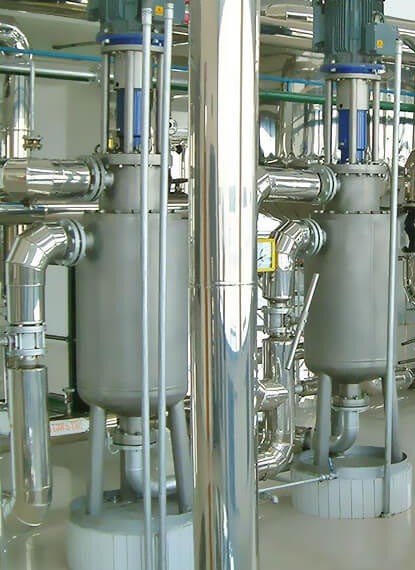
A dark oil at the bleaching outlet is of interest to analyze what must have entered the inlet. What must have been the performance of the preceding alkali treatment and what must have been transferred after separation? It is helpful to analyze the preceding oil in order to avoid transforming the analysis into a simple increase of the amount of bleaching-earth to add.
Connect Deodorization to the Intended Oil Application
Deodorization: Removal of volatile odor- and flavor-compounds by steam in vacuum. This step is carried out after the steps which remove gums, acidity and pigments. Deodorization must not be mixed up with the chemical reaction of the alkali refining step and the filtration step of the spent bleaching earth.
Winterization addresses a different finishing objective. By cooling and allowing to crystallize, the higher-melting components can be removed by filtration to produce a clear salad oil. Cottonseed oil that has not been winterized is used as frying oils, in vegetable shortenings and in margarines.
Determine the intended use for the product before selecting the finalizing route. The product bottled salad oil may require low-temperature clarity, whereas another product may have entirely different requirements. This gives the engineering team a reason for including a winterization section as opposed to listing it as a standard item.

Keep Oil Refining Separate from Meal Dephenolization
The oil stream and the solid stream from cottonseed processing contain gossypol and therefore are to be processed differently. A residual value given for the meal does not provide any information on the refined oil.
Huatai Group supplies cottonseed protein dephenolization equipment for the solid-product route. The work of dephenolizing protein as part of a solid-product route to produce a protein product, like edible-oil refining, is within a larger factory plan. Each route needs to have its own end product and corresponding processing.
Same level of detail is required for measurements and for appearance. While lighter color may indicate loss of pigment, a photo of the oil does not tell you anything about residual gossypol. State what was measured and what product parameter is being addressed by the number quoted.
How Huatai Group Coordinates the Complete Process
An integrated cottonseed project starts with seed handling followed by cleaning, delinting, dehulling, flaking and cooking of seed material prior to oil recovery. The crude oil extracted from cottonseed is then refined and other parts of the seed are processed into either a meal or protein as appropriate.
Huatai Group delivers process design, equipment fabrication, installation, commissioning and plant operator training as a single project scope. This allows for material handling and all treatment stages plus supporting facilities to be designed and delivered as a total production line.
At commissioning, follow a charge of oil from one treatment to the next with the operating team. The purpose of each transfer should be clear, including which unwanted material has been removed and which treatment is still ahead. Training can then explain the actual plant sequence, including the separate route followed by the solid product.
Conclusion
Cottonseed oil refining is a multi-step process that removes acidity, gossypol and other pigments, color and odor. Neutralization and separation is followed by the bleaching process, deodorization and possibly winterization before the oil is used for its intended purpose. Huatai Group can link all of these choices with our upstream processing by providing complete engineering, equipment manufacturing, installation and commissioning as a single package.
Discover Huatai Group’s solutions for turnkey production of integrated processing of cottonseed from raw materials to end products.
FAQ
Q: Why does cottonseed oil need refining after extraction?
A: Extraction of crude oil from prepared cottonseed leaves a separate treatment duty for the refinery. Gums, acidity, pigments and odor must be removed. Special consideration must be given to gossypol in the cottonseed oil. The appropriate refining route will depend on the crude oil being processed and the requirements of the final product.
Q: How does alkali refining help control gossypol?
A: The free fatty acids react with other materials in the degumming wastewater to form soapstock which is removed from the oil and is a major component of the wastewater. The bleaching process also removes pigments from the oil. Residual gossypol must be established by test and by requirements for the final product rather than by the equipment included in a line.
Q: Is cottonseed oil bleaching the same as deodorization?
A: The process of bleaching involves the use of adsorbent contact followed by filtration in order to remove pigments and other impurities. Deodorization is a process that uses steam, under vacuum, to remove volatile odor and flavoring compounds. These two processes serve to complete different treatment stages at the refinery, each stage completing its own treatment within a chosen route to produce cottonseed oil.
Q: Does all refined cottonseed oil need winterization?
A: Based on the intended use of the product, winterization may or may not be required. Winterization of salad oil produces a clear oil by separation of higher melting components by cooling and crystallization and subsequent filtration. However, cottonseed oil, which is not winterized, can also be used for frying and making shortenings. Determine the characteristics that you desire for your product and complete the necessary processing for production of that oil.