
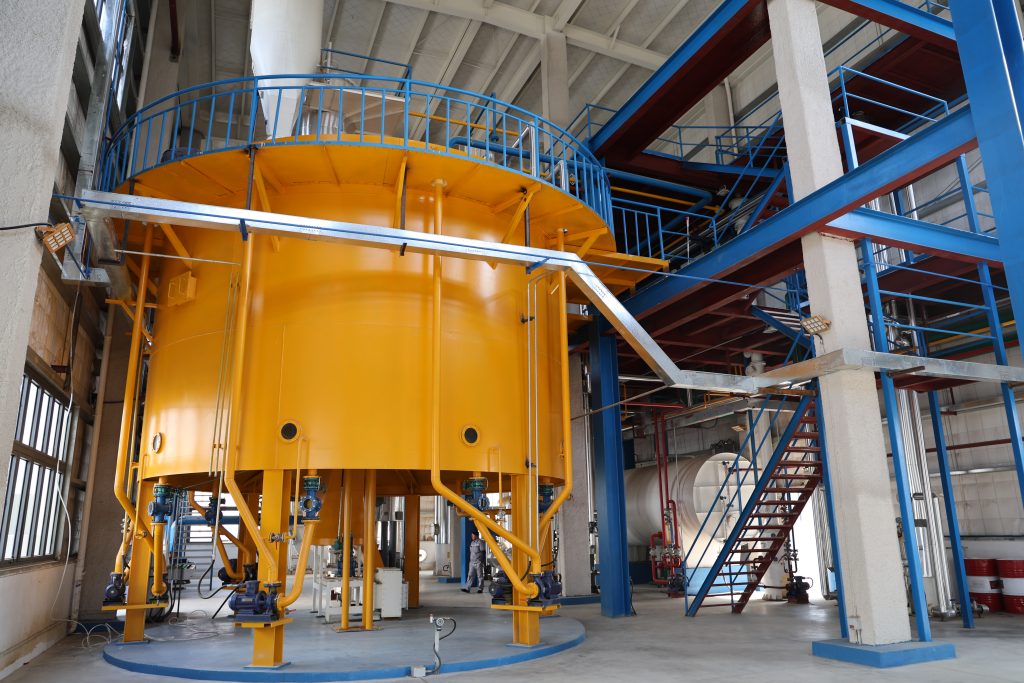
Coconut oil, frequently referred to as the healthiest edible oil and known in regions like the Philippines as the drugstore in a bottle, represents a massive global market. With world production reaching millions of tons, industrial processing requires more than just generic hardware. Selecting the right partner involves understanding the unique physical properties of copra—the dried kernel of mature coconuts—and the specialized engineering required to process it efficiently. This guide provides a professional framework for evaluating technology and choosing a reliable partner for large-scale production.
What Makes a Professional Copra Oil Machine Different from Standard Equipment?
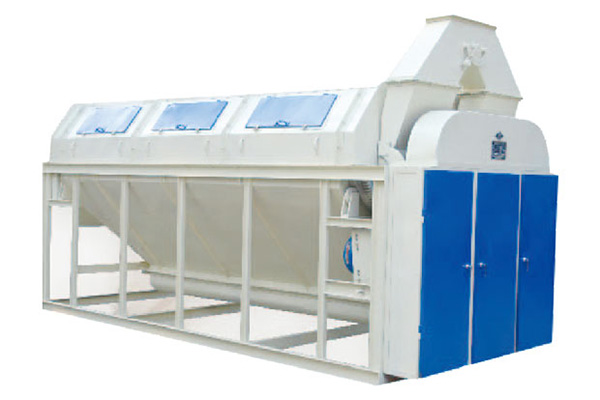
Processing copra presents difficulties that standard oilseed machinery cannot resolve. Copra arrives as large, hard blocks, often measuring up to 180mm x 100mm x 6mm. This requires a copra oil machine designed specifically for high-fiber, high-oil content materials to avoid constant downtime and mechanical failure.
Why is belt conveying preferred over bucket elevators for copra?
The physical dimensions of raw copra blocks make them unsuitable for traditional bucket elevators. Standard scraper conveyors also fail because their inlets are typically too small for smooth feeding. Huatai Group implements specialized belt conveyors in the pretreatment section to handle these large blocks. To prevent material fallback, the slant angle of these conveyors is strictly maintained at less than 30 degrees. Furthermore, an integrated iron removal device is essential before the crushing stage to protect the machinery from damage and ensure the purity of the coconut oil cake.
How to solve material blockage in the crushing and flaking sections?
Crushing and flaking are the most critical stages where standard equipment often fails.
- Crushing Optimization: The system utilizes hammer crushers with an increased screen size and a reduced number of hammers arranged in a uniform crossover pattern. Observation windows are designed into the inlet and outlet pipes to allow for immediate unchoking if the high-oil powder begins to pile up.
- Flaking Precision: Standard flaking mills with small rolling distances cause copra to adhere to the rollers due to surface oil infiltration. To counter this, a professional flaking setup maintains a larger rolling distance of 3 to 4.5mm. This adjustment prevents the material from clotting and ensures smooth discharge even with dry, hard, and tough coconut meat.
How to Ensure High Yield with Your Copra Oil Expeller Machine?
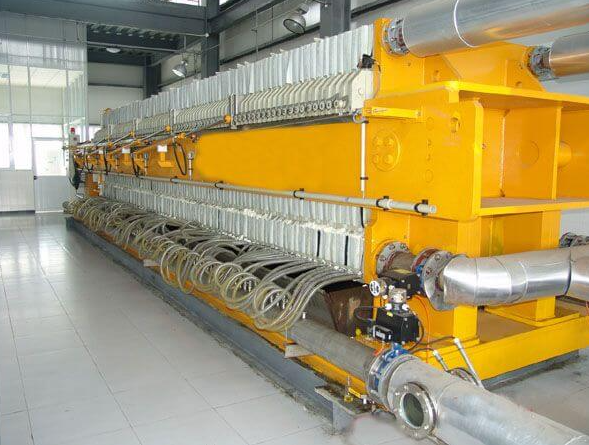
The efficiency of a copra oil expeller machine is measured by its ability to maximize oil output while minimizing residual oil in the cake. Achieving this requires specific modifications to the pressing chamber and the cooking process to account for the high fiber content of the raw material.
Why does the pressing bar clearance need precise adjustment for copra?
Copra differs significantly from common oil materials like soybeans or rapeseeds. In a conventional setup, the high fiber content can lead to a complete lack of feed or a failure to produce oil at the pressing cage. To solve this, the gap between the pressing bars in the copra oil expeller machine must be adjusted to a smaller clearance. This precision ensures that the high-fiber residues are properly compressed, forcing the oil out effectively without causing mechanical blockage.
How does advanced cooking technology prevent oil waste?
Steam cooking is necessary to condition the material, but the continuous stirring in standard cookers often causes oil to leak along the principal axes. This leads to wasted product and a polluted workshop environment. Professional designs mitigate this by:
-
- Reducing the degree of material powder to prevent clumping.
- Decreasing the total stirring time within the steam cooking machine.
- Implementing frequent cleaning protocols for feeding nozzles to prevent material build-up.
What to Verify When Choosing a Copra Oil Extraction Machine Manufacturer?
A qualified copra oil extraction machine manufacturer must offer more than just equipment; they must provide integrated engineering, procurement, and construction (EPC) services for industrial-scale success.
Why are EPC turnkey solutions vital for industrial-scale projects?
For large-scale factories, the integration of pretreatment, pressing, and refining is complex. Huatai Group provides a complete service process that includes:
- Before-sales technical consulting and customized plant design.
- Precision equipment manufacturing using laser cutting and welding robots.
- On-site installation, commissioning, and comprehensive after-sales support. A single-source provider ensures that the copra oil machineline operates as a cohesive system rather than a collection of mismatched parts.
How to identify a manufacturer with global project experience?
The most reliable indicator of capability is a proven track record of successful installations. Huatai Group has established over 22 overseas offices and completed projects in more than 70 countries. A benchmark case is the 150T/D copra pressing and 50T/D fully continuous physical refining project for Ampol Foods in Thailand. This facility was designed to preserve the original nutrition of the oil while meeting the highest international standards for finished oil quality.
Conclusion
Building a successful industrial-scale coconut oil factory requires a deep understanding of copra’s unique characteristics. From the specialized conveying requirements to the precise adjustments needed in a copra oil expeller machine, every detail influences the final oil yield and operational cost. Partnering with an experienced copra oil extraction machine manufacturer like Huatai Group ensures that the facility benefits from 38 years of innovation, global project experience, and national-level manufacturing standards.
To receive a free customized professional plan for your coconut oil production line, please contact us.
FAQ
Q: How does a Huatai Group copra oil machine handle high-fiber raw materials?
A: The equipment features a specialized copra oil machine design where pressing bar clearances are adjusted to be much smaller than conventional presses, ensuring high-fiber kernels are efficiently processed without blocking the pressing cage.
Q: What are the energy consumption benchmarks for a top-tier copra oil extraction machine manufacturer?
A: A leading copra oil extraction machine manufacturer like Huatai Group achieves energy efficiency benchmarks such as steam consumption of ≤80kg/T and power consumption of ≤16KW.H/T, significantly reducing long-term operational costs.
Q: Why is the 150T/D Thailand project a benchmark for selecting a copra oil expeller machine?
A: The 150T/D project in Thailand demonstrates Huatai Group’s capability to deliver a large-scale, fully continuous copra oil expeller machine and refining line that meets high-standard nutritional and quality requirements for international markets.
Q: What technical certifications should a professional copra oil extraction machine manufacturer possess?
A: A professional copra oil extraction machine manufacturer should hold international quality and environmental certifications including ISO9001:2015, ISO14001:2015, and CE certification to guarantee manufacturing precision and global compliance.
Q: How does a modern copra oil machine maintain the high lauric acid content of coconut oil?
A: By utilizing low-temperature conditioning and optimized copra oil machine pressing parameters, the system avoids thermal damage, ensuring that the final product retains its natural high lauric acid content—often around 50%—which is essential for health benefits.