
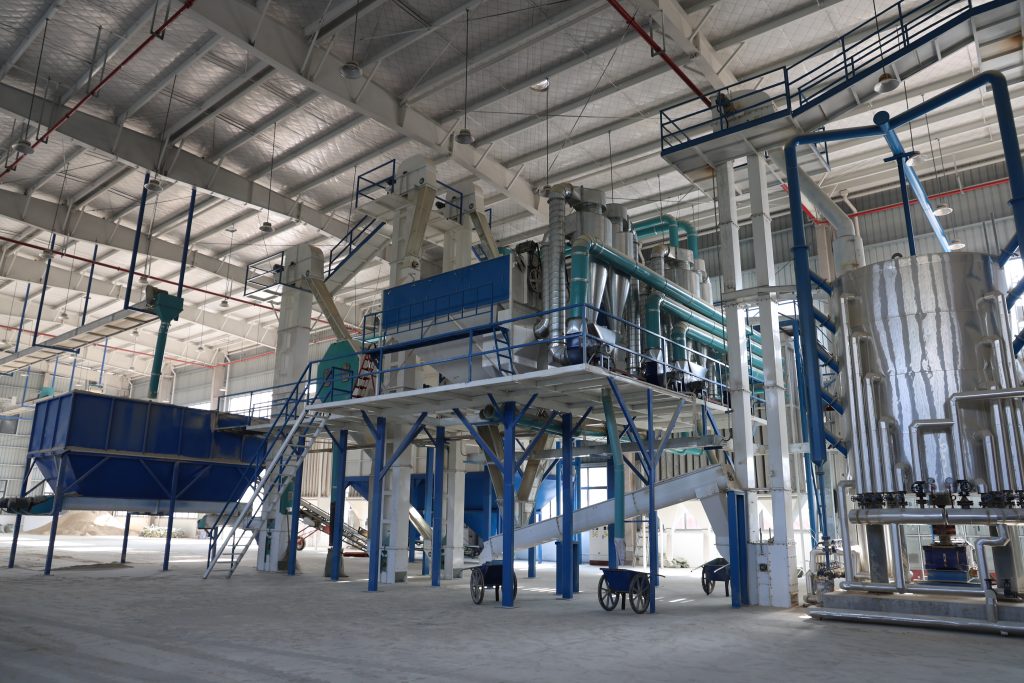
Define the oil extraction process to refining handoff by flow and crude-oil tests.
What the Oil Extraction Process Produces
Extraction performance begins well before the main machine. Clean the seed and give it the structure the chosen route requires. Hull removal may matter for one crop; another is cracked and flaked. Heat conditioning, cooking, or extrusion changes the material again. Every choice alters what reaches the press or extractor.
A press may finish separation or prepare cake for solvent contact, followed by miscella and meal desolventizing plus solvent recovery.
The Huatai extraction overview introduces batch and continuous arrangements. A project balance must add feed shape, residence, circulation, vapor, meal duty, heat, and mass.
Use a representative crude sample as the refinery feed definition.
What Edible Oil Refining Changes
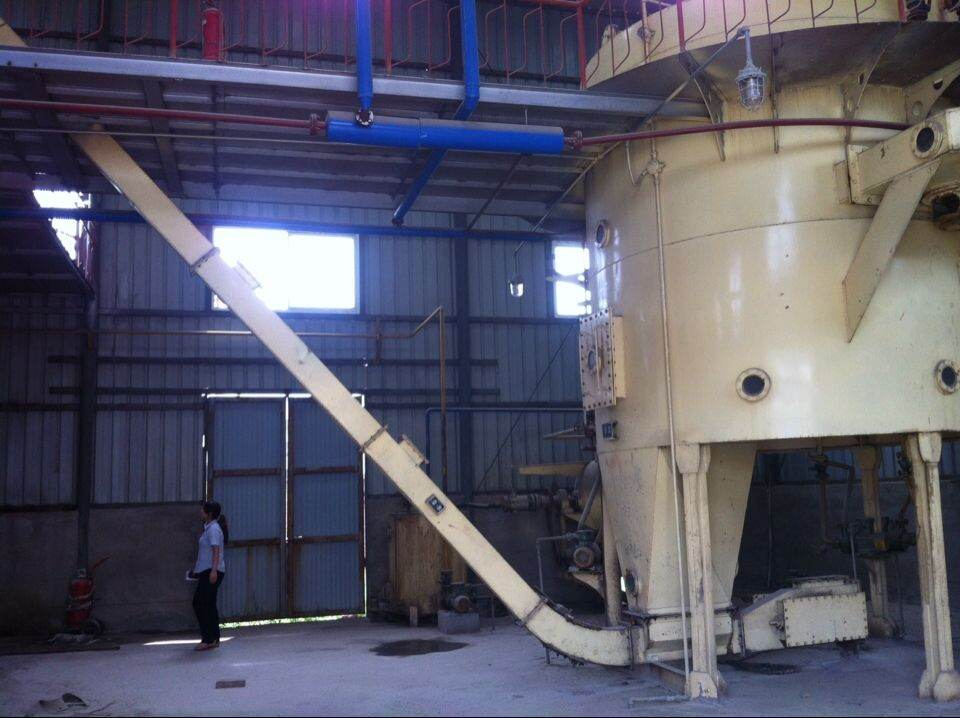
Select refining duties from the crude analysis and finished-oil target; set conditions as a connected operating window.
Why Extraction and Refining Cannot Be Designed Separately
Crude composition drives refining consumption and oil loss.
Do not reuse one assumed analysis for pressed peanut, extracted soybean, and palm oil. Their raw materials and process histories differ. Confirm each feed before fixing operating conditions or guarantees.
Huatai Group shows complete edible oil processing lines from preparation through refining. Review capacity and utilities across that chain.
Mechanical Pressing and Solvent Extraction
Compare press, solvent, and combined routes on recovery, cake or meal, supporting systems, permits, mass balance, and operating cost.
Chemical and Physical Refining
Compare chemical and physical refining with their by-products, losses, pretreatment, vacuum, heat, and effluent. The Huatai process-selection article describes the routes.
Plan the Plant Around Products and By-Products
Define every product and by-product destination, then balance shared utilities at simultaneous load.
Conclusion
Huatai Group can connect each oil extraction process with preparation, refining, and commissioning around the agreed handoff specification.
Keep one handover sheet for the crude-oil tank:
– source seed and preparation route;
– press, extractor, or combined operating mode;
– batch or production period represented;
– flow, temperature, and tank identification;
– moisture and insoluble material;
– phospholipids or the agreed related test;
– free fatty acids;
– color and odor observations;
– any project-specific contaminant or quality measure;
– sampling point, method, date, and laboratory;
– refinery acceptance range and action outside that range.
Trend crude tests, reconcile material streams, and review shared utility consumption at agreed intervals.
Design Input Package
Before equipment sizing begins, issue one controlled input sheet. It should identify:
– oilseed, variety where relevant, and supply season;
– nominal and peak feed rate;
– incoming moisture, oil content, foreign material, and size range;
– storage time and any heat-damaged or weathered material;
– preparation route, including cleaning, dehulling, cracking, flaking, conditioning, or extrusion;
– extraction route and the reason it was selected;
– expected crude-oil flow and the agreed crude analysis;
– finished-oil grades and the specification for each grade;
– required cake or meal condition, residual oil basis, and destination;
– soapstock, gums, fatty-acid distillate, spent earth, and wastewater destinations;
– solvent, steam, fuel, power, water, cooling-water, and compressed-air limits;
– local ambient conditions and available utility pressures;
– hazardous-area, emissions, food-safety, and permit requirements;
– laboratory methods used for feed, crude oil, meal, and finished oil;
– operator experience, maintenance coverage, and planned shift pattern.
Record the source and date beside every design value. Mark estimates separately from measured data. If the raw-material range is wide, define normal, minimum, and maximum cases instead of hiding the variation inside one average.
Commissioning Acceptance Record
Agree how performance will be demonstrated before the trial starts. The acceptance record should cover:
– feed identity, test results, quantity, and trial duration;
– actual throughput and operating hours included in the calculation;
– crude-oil flow, tank movement, and sampling times;
– oil remaining in cake or meal, with the analytical basis stated;
– miscella concentration and solvent recovery where extraction uses solvent;
– residual solvent checks for meal and oil where required;
– refinery feed quantity and the opening and closing tank inventory;
– finished-oil quantity, grade, and laboratory certificate;
– gums, soapstock, distillate, spent earth, wastewater, cake, and meal quantities;
– steam, power, water, fuel, chemicals, and filter-aid use;
– vacuum, temperature, flow, pressure, and level trends for the agreed review period;
– product held, reprocessed, downgraded, or lost during the run;
– shutdowns, feed interruptions, laboratory delays, and excluded periods;
– instruments and scales used for the final material balance;
– deviations, responsible person, corrective action, and retest date.
Use the same time boundary for feed, products, by-products, tank changes, and utilities. A throughput figure without inventory movement does not close the balance. A finished-oil certificate without a linked tank and sampling time does not prove which production period it represents.
Questions for the Joint Design Review
Use these questions to expose gaps between the two process areas:
– Which crude-oil result releases a tank to the refinery?
– Who samples the tank, and where is the retained sample stored?
– What happens when solids or moisture exceed the acceptance range?
– Can off-specification crude be blended, settled, filtered, or reprocessed?
– Which refinery step carries the highest load when crude quality changes?
– How much buffer time is available between extraction and refining?
– Can one area continue safely when the other area stops?
– Which utility is closest to its limit during simultaneous operation?
– Are steam condensate and hot streams recovered at a useful level?
– Where are oil-bearing drains collected and measured?
– How are gums, soapstock, distillate, cake, and meal weighed or estimated?
– Which instruments are included in routine calibration?
– Which laboratory tests are available on every production shift?
– Who approves a change in feed, operating window, or finished grade?
– What evidence will close an unresolved commissioning item?
Write each answer beside an owner and a due date. Items that affect safety, product release, or the material balance should be closed before the acceptance run.
FAQ
Q: Is extracted vegetable oil ready to eat?
A: Usually not. Compare crude gums, acidity, color, odor, moisture, and solids with a defined product specification. The required refining route depends on that analysis and the finished-oil target. Keep the sample identity linked to its source tank and production period.
Q: Can one refinery process every type of crude vegetable oil?
A: Only within a defined feed envelope with routes, tanks, cleaning, changeover, and control settings for each oil. Review storage segregation, pretreatment duty, refining losses, by-products, and utilities before adding a new crude oil. Confirm the laboratory methods used for acceptance.
Q: What is the difference between pressing and solvent extraction?
A: Pressing applies force; solvent extraction produces miscella and recovers solvent. Compare oil, meal, safety, utilities, throughput, and investment on one balance. Include cake or meal specifications, solvent-recovery duties where applicable, emissions controls, staffing, maintenance, and the permit basis in that comparison.
Q: Why does pretreatment affect refining cost?
A: It changes crude quality, treatment consumption, and neutral-oil loss. Stable preparation narrows the refinery feed range. Trend moisture, solids, phospholipids or the agreed related test, free fatty acids, and tank movement. Use those results to investigate changes in chemical, adsorbent, filtration, and utility demand.