
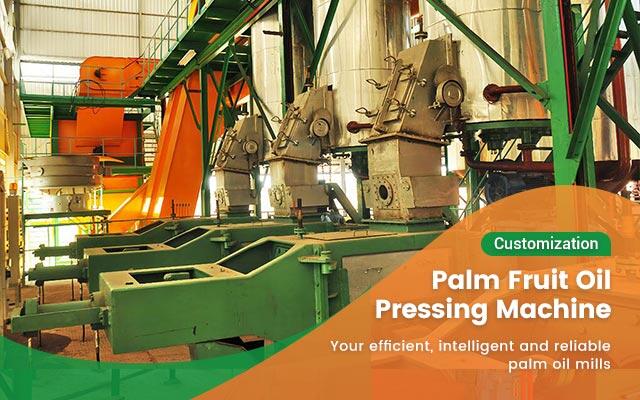
Palm oil mill processing refers to the processing of fresh fruit bunches (FFB) from the palm oil plant into refined palm oil. The processing of palm oil involves a number of steps, including sterilization, threshing, digestion, oil extraction, oil clarification, and oil refining using palm oil processing equipment in a palm oil processing plant. Huatai Group provides a complete turnkey solution for palm oil processing, including design and manufacture of palm oil processing equipment, installation, and project management to ensure efficient operation and consistent oil quality.Huatai Group’s turnkey palm oil production lines allow a seamless workflow from FFB reception to RBD palm oil fractionation, reducing downtime and energy consumption while ensuring consistent output.
What is Palm Oil Mill Processing?
What stages are involved in palm oil mill processing?
Palm oil mill processing includes:
- FFB sterilization to deactivate enzymes and loosen the fruits
- Threshing to separate fruit from bunches
- Digesting and pressing using specialized palm oil processing machines
- Clarification and drying of crude palm oil
- Refining, bleaching, and deodorization to produce RBD palm oil
- Fractionation for olein and stearin products
How does each stage impact oil quality?
The entire process involved in palm oil processing impacts the quality of the produced oil. Sterilization ensures that no enzymes or microorganisms interfere with the oil because the process helps keep its chemical nature stable. Effective pressing ensures the extraction of maximum natural oil, while clarification gets rid of impurities and water so that the oil does not turn rancid. With refining and fractionation, purity, melting point, and appearance are improved such that the oil is used both industrially and in the food industry.
How are fresh fruit bunches prepared in a palm oil processing factory?
- Temporary storage in controlled environments
- Sorting to remove unripe or damaged fruit
- Transport to sterilization and threshing stations by means of conveyor systems.
How Does a Palm Oil Processing Factory Operate?
What are the key workflow steps in a palm oil processing factory?
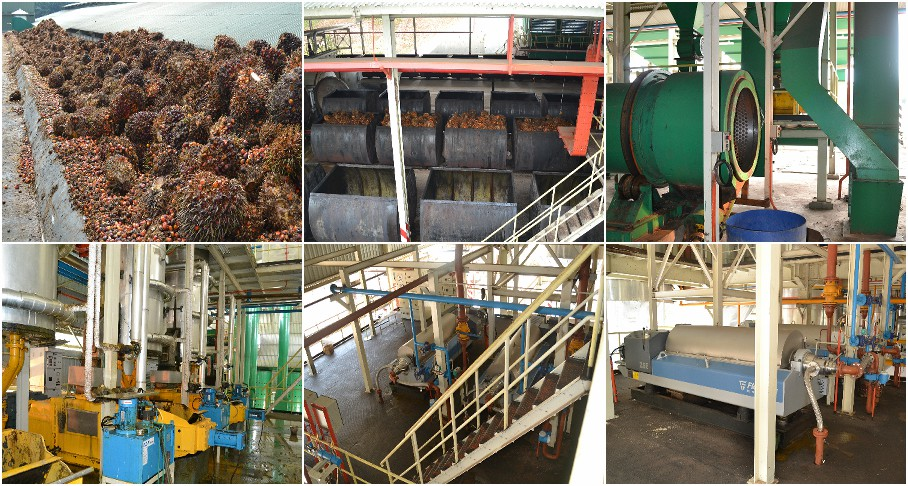
The processes to be carried out in a palm oil processing factory are presented in sequence. After fresh fruit bunches (FFBs) are received and temporarily stored, the fruits are sterilized in order to prevent oxidation and enzyme action. The fruits are then separated from the bunches through threshing and digested before pressing. The crude palm oil is extracted by means of the palm oil processing machines and subsequently clarified in order to remove fiber, water, and any other impurities. The crude oil is then stocked, refined, and finally fractionated in order to produce the RBD palm oil. The various steps of the workflow have been designed in order to reduce energy consumption, minimize losses of raw materials, and guarantee the quality of the products. Huatai Group’s integrated turnkey approach enables the processes to be operated efficiently while maintaining consistent product quality.
How is oil extracted from the palm fruit?
- Digested fruits are fed into a palm oil processing machine for pressing.
- Pressing separates crude palm oil from the fiber and kernel.
- Fiber and kernel are harvested as by-products and can be used for other products and applications.
How are byproducts managed and utilized?
Effective by-product utilization is an important part of modern palm oil production. For instance, empty fruit bunches provide biomass, palm kernel shells are either utilized for fuel or activated carbon, while the fiber finds application as animal feed or fertilizer.
Huatai Group provides full production line solutions geared toward making use of these by-products for value-added products and energy recovery, among others.
Why Quality Control is Crucial in Palm Oil Mill Processing
What standards are applied in a palm oil processing factory?
ISO9001:2015 quality management
ISO14001:2015 environmental management
Occupational health and safety compliance
How do palm oil processing machines support quality control?
Quality control for palm oil processing machines is crucial. With automation of processing plants, the operating parameters are constantly kept at the correct levels. All processing steps are monitored by sensors and process control systems for temperature, pressure, and moisture. This ensures the optimal processing for the extraction and refining of palm oil. Regular maintenance and the constant monitoring of all plant components prevent sudden breakdown of components and contamination. This ensures high production volumes and good quality of extracted oil. Huatai Group incorporates these advanced technologies into all of its projects to guarantee high-quality processing plants.
Why is worker training and safety important?
Skilled palm oil processing plant operators are essential for achieving optimal production levels and quality oil. Training of plant staff ensures that they are able to use processing machines safely and to run the plant effectively. A range of safety features is in place to protect all personnel on site and to minimize the risk of accidents and subsequent loss of time. Our palm oil processing training programs, provided by Huatai Group, enable palm oil processing factories to make the most of staff who have been fully trained to operate, monitor, and maintain a variety of palm oil processing machinery.
How to Optimize Palm Oil Mill Processing
What methods increase efficiency and reduce waste?
Palm oil mill processing can be more efficient by integrating palm oil processing machines and other related machinery and equipment into a single production line. By optimizing the usage of steam and energy, especially in the sterilizing section and drying section, the schedule of preventive maintenance can be improved. Huatai Group’s turnkey solutions enable factories to automate their key processes, thereby raising production capacity and reducing production costs. Efficient production flow and monitoring can minimize waste generation and ensure maximum utilization of raw materials.
How can energy-saving technologies be applied?
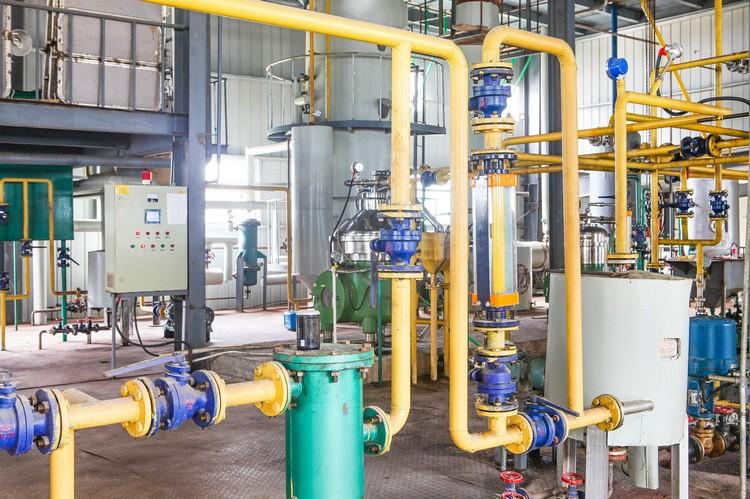
Potential energy-saving measures in palm oil processing include the use of low-pressure steam for sterilization as well as variable frequency drives for presses and conveyors. The return of heat from the cooling of crude palm oil is another aspect that should not be neglected. A production line that is specially designed for energy efficiency but does not, at the same time, compromise on the quality of the oil is highly valued in high-volume processing plants for palm oil. These measures reduce the processing costs and also contribute to a more sustainable production process.
What trends are shaping modern palm oil processing factories?
- Smart factory automation and IoT integration
- Real-time monitoring for yield optimization
- Sustainable practices, reuse of waste, reduction of emissions.
Conclusion
Knowing palm oil mill processing is crucial to producing oil in an efficient manner and of optimal quality and sustainability. Huatai Group is at the forefront of providing a complete turnkey solution, including the most advanced palm oil processing machines, palm oil mill design, installation, and after-sales service. Using Huatai’s technology and expertise, companies can get the highest possible production, ensure the highest possible quality and carry out their production in an environmentally friendly manner.
FAQ
Q: What makes Huatai Group’s palm oil processing machines different from others?
A: Huatai Group Palm Oil Processing Machines are equipped with an intelligent control system, long screw life, and high capacity for palm oil extraction to produce high-quality palm oil in palm oil processing factories.
Q: How can a palm oil processing factory benefit from Huatai Group turnkey solutions?
A: Huatai Group can provide a full palm oil mill turnkey processing line to customers, which includes pre-treatment, oil extraction, and oil refining. It is to connect all the machines together to improve working efficiency and reduce energy consumption. It can produce RBD palm oil.
Q: What are the main steps in palm oil mill processing provided by Huatai Group?
A: Huatai Group’s palm oil mill processing includes FFB reception, sterilization, threshing, digesting, pressing, clarification, crude palm oil refining, and fractionation into RBD olein and stearin. We also fully automate our production process.
Q: What innovations does Huatai Group offer for sustainable palm oil processing?
A: Huatai Group integrates energy-saving sterilizers, automated presses, solvent recovery systems, and environmental compliance practices into its palm oil processing solutions.