
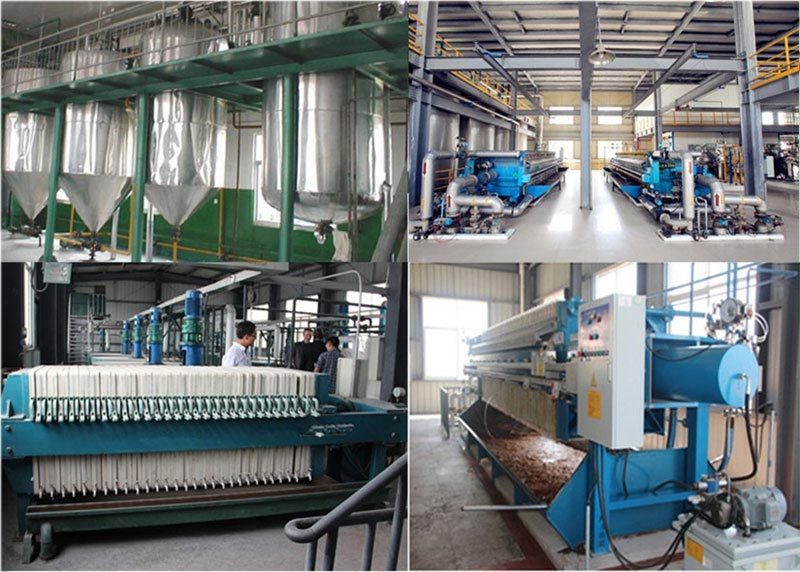
Edible Oil Dewaxing Machine: High-Efficiency Winterization Solutions
Edible Oil Dewaxing Machine
Have you ever noticed your sunflower oil or corn oil turning cloudy, hazy, or forming white precipitates when sitting on cold supermarket shelves? This is caused by high-melting-point waxes naturally found in vegetable oils.
To deliver a crystal-clear, premium product that commands a higher market value, an industrial edible oil dewaxing machine (also widely known as oil winterization equipment) is an absolute must-have in your refinery line.
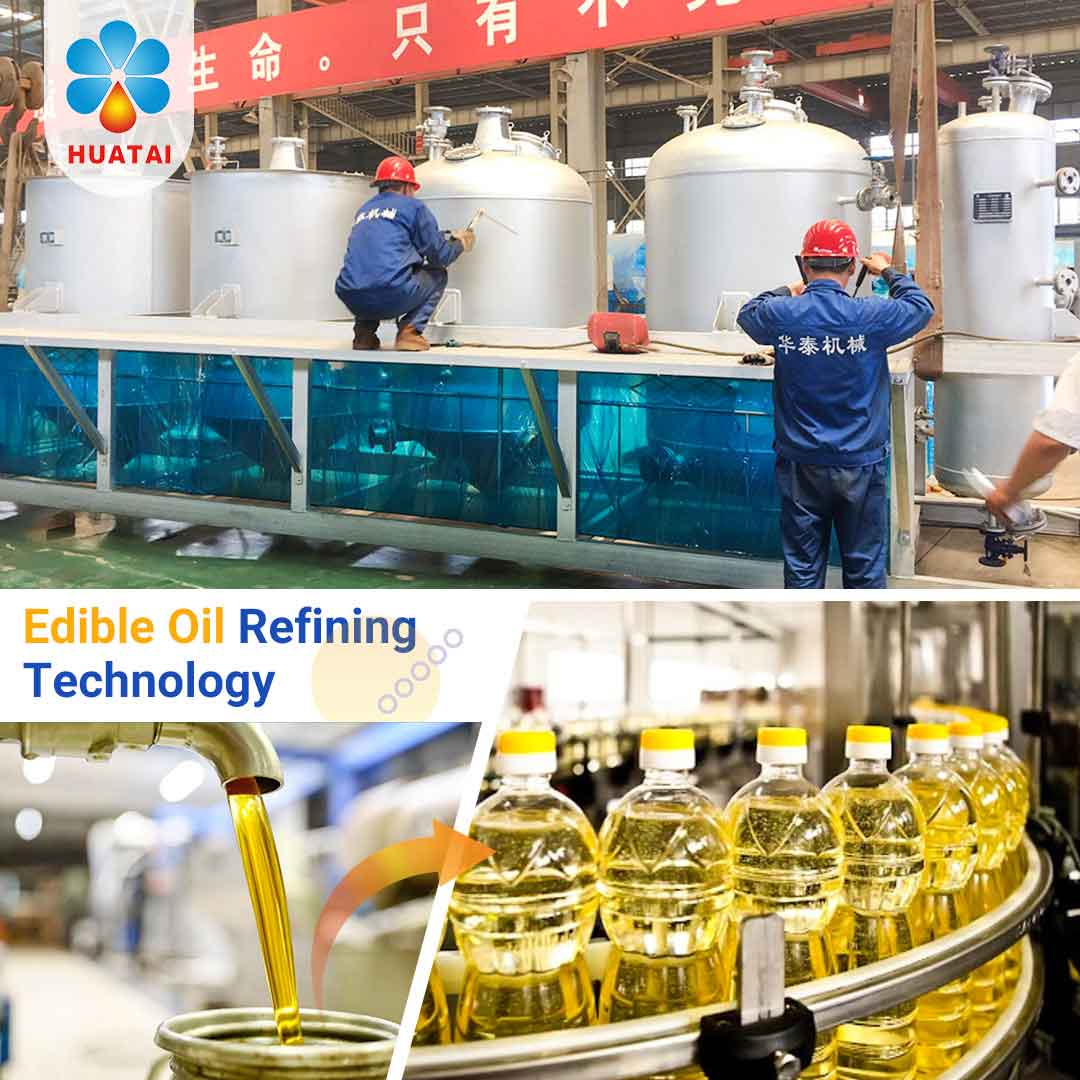
As a world-class oil refinery machinery manufacturer, Huatai delivers state-of-the-art dewaxing systems. Our advanced crystallization and filtration technologies guarantee maximum wax removal, preventing cloudiness even at low temperatures, all while driving neutral oil losses to an absolute minimum.
Which Oils Must Undergo the Dewaxing Process?
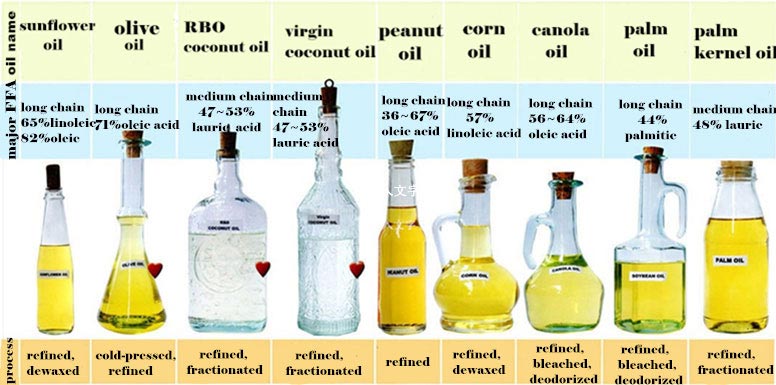
Different vegetable oils contain varying levels of wax. Dewaxing is almost universally required for oils extracted from the hulls or germs of specific oilseeds:
-
Sunflower Seed Oil: High natural wax content; without dewaxing, it clouds rapidly at room temperature.
-
Corn Oil (Maize Oil): Contains corn germ waxes that compromise clarity and taste.
-
Rice Bran Oil: Rich in high-melting-point rice bran wax that must be stripped for edible grades.
-
Cottonseed Oil: Requires precision cooling to remove saturated solids and waxes.
Technical Principle: The 5-Step Precision Dewaxing Process
The essence of oil dewaxing lies in forced cooling crystallization followed by mechanical separation. Huatai’s precision system achieves this through five meticulously engineered stages:
1. Thermal Dissolution (Pre-heating)
Before cooling, the refined oil is briefly heated. This completely dissolves any micro-wax crystals that may have precipitated at room temperature, ensuring a blank slate for uniform crystal growth.
2. Controlled Pre-Cooling
The warm oil passes through high-efficiency heat exchangers to gradually lower its temperature, preparing it for the crystallization stage without shocking the liquid phase.
3. Uniform Crystallization (Slow Stirring)
The oil enters specialized crystallizing tanks. Here, our equipment drops the temperature evenly and slowly. Low-speed agitating impellers ($5 – 8 \text{ rpm}$) keep the oil moving without breaking up the delicate, forming wax nuclei.
4. Crystal Maturing (Crystal Growth)
The cooled oil is transferred to maturing tanks and held at a steady temperature ($15^\circ\text{C} – 25^\circ\text{C}$ depending on the oil type) for $12 – 16 \text{ hours}$. This crucial phase allows the wax crystals to grow large enough for effortless filtration.
5. Pressure Filtration & Separation
The matured oil is pumped into continuous plate and frame filter presses. Initially separated by its own pressure, a variable-frequency screw pump gradually ramps up the flow, trapping the rigid wax paste while letting brilliant, winterized clear oil pass through.
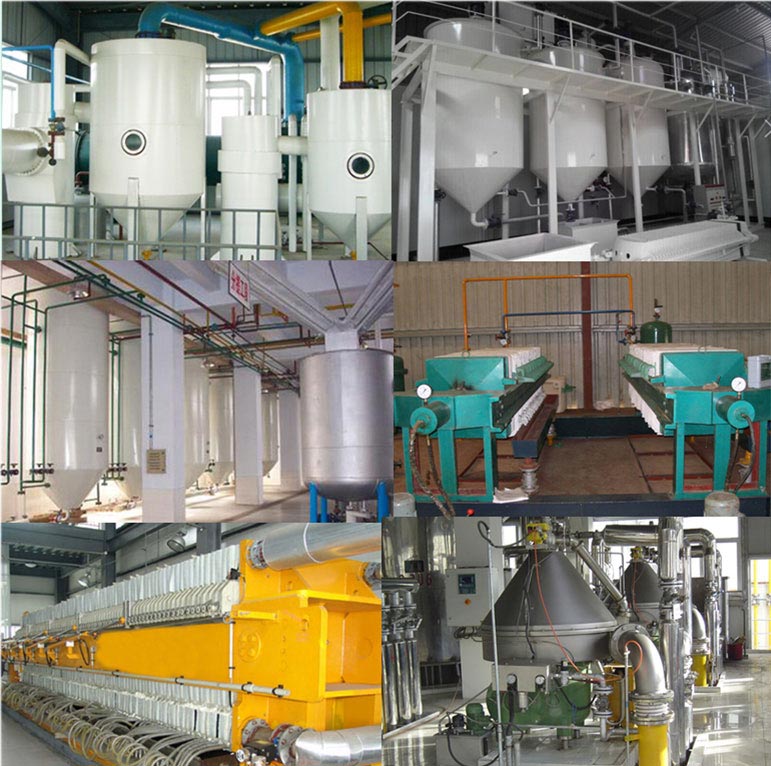
Core Equipment Components of Huatai Dewaxing Line
A professional, continuous edible oil dewaxing machine plant consists of several highly synchronized industrial components:
-
Crystallization & Maturing Tanks: Equipped with custom, low-shear, low-speed anchor mixers to promote optimal crystal growth.
-
Industrial Refrigeration Unit & Brine System: Provides steady, precisely controlled cooling curves down to a fraction of a degree.
-
Dual Plate and Frame Filter Presses: Engineered in a duplex configuration, allowing one filter to be cleaned while the other continuously operates, ensuring 24/7 non-stop refinery production.
-
Smart PLC Electrical Control Cabinet: Enables operators to easily program customized temperature-drop timelines for different oil types.
Oil Dewaxing vs. Oil Fractionation: What is the Difference?
While both processes rely on thermal crystallization, their industrial objectives and chemical impacts are completely distinct:
| Feature | Oil Dewaxing (Winterization) | Oil Fractionation |
| Primary Target | Removes trace wax components (1% – 3%). | Separates liquid oil from solid fats. |
| Main Objective | Enhances oil clarity, transparency, and shelf-life palatability under cold conditions. | Modifies physical properties to yield distinct products (e.g., liquid olein vs. solid stearin). |
| Common Application | Sunflower oil, Corn oil, Rice bran oil. | Palm oil, Palm kernel oil, Coconut oil. |
| Composition Change | Minimal change to the fatty acid profile. | Significant change (e.g., isolating healthy medium-chain triglycerides like C8 & C10). |
Why Choose Huatai’s Edible Oil Dewaxing Machinery?
With over 38 years of heavy-industry manufacturing expertise, Henan Huatai Cereals and Oils Machinery Co., Ltd. delivers robust, high-yielding refinery assets:
-
Strict Loss Control: Our uniform cooling curves prevent oil from getting trapped inside the wax paste, ensuring exceptional final yields.
-
Premium Sanitary Build: All product contact surfaces are constructed from polished SUS304 or SUS316L stainless steel, perfectly conforming to global food safety and GMP regulations.
-
Turnkey Engineering Excellence: We offer complete EPC project delivery—from custom 3D factory floor design and tailored budget analysis to automated machinery manufacturing, global logistics, on-site installation, and staff training.
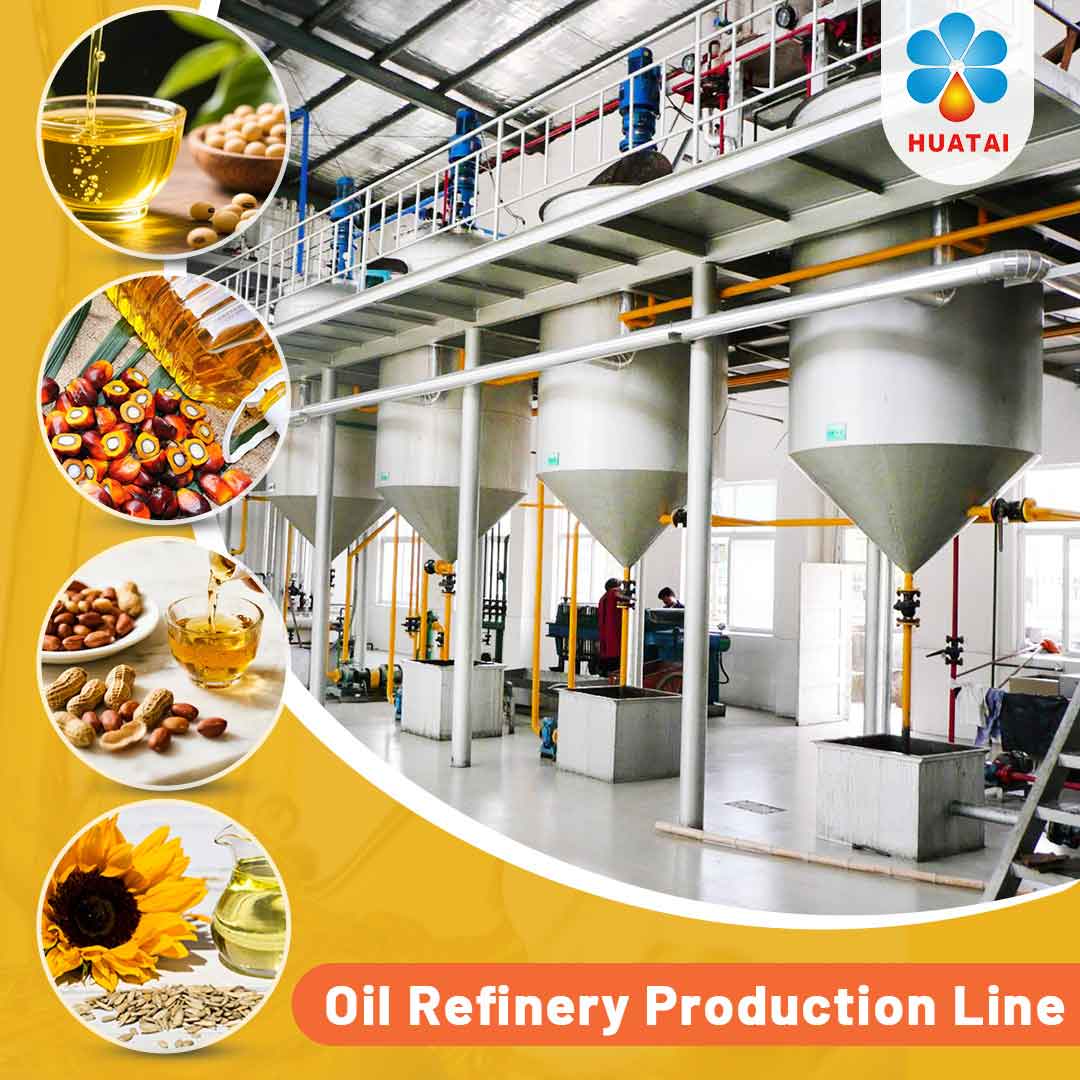
Upgrade Your Oil Quality. Get a Free Engineering Quote Today!
Are you looking to eliminate cloudiness in your sunflower oil or establish a high-capacity corn oil refinery plant? Contact Huatai’s technical team today to receive a customized plant layout and a competitive factory-direct price quote.
-
Email: info05@cnoilmachine.com
-
Phone / WhatsApp: +86 18337263319
-
Address: Xiangjiang Road, Industry Zone, Hua County, Henan Province, China
Technical Specifications
Engineered for efficiency, built for performance.
Working Principle
Degumming
Removes phospholipids and gums with water/acid treatment.
Deacidification
Neutralization or physical stripping lowers FFA.
Decolorization
Vacuum bleaching with clay removes pigments and traces.
Deodorization
Steam stripping under vacuum removes odor and FFA.
Dewaxing / winterization
(Optional) Crystallization & filtration for high-wax oils.
Why Choose This Equipment
High oil quality
Meets food-grade standards (low FFA, bright color).
Low loss
Optimized refining cuts neutral oil loss.
Flexible scale
From small batch to 1,000 TPD continuous.
Automated
PLC control of temperature, vacuum and dosing.
Hygienic
SS contact parts, CIP-friendly design.
Applicable Materials
Vegetable oils
Soybean, rapeseed, sunflower, peanut, cottonseed.
Specialty
Rice bran, palm, corn germ, sesame.
Frequently Asked Questions
Capacity range?
1–1,000 TPD, batch to continuous.
Refining loss?
Minimized via optimized neutralization and stripping.
Can it produce edible-grade oil?
Yes, output meets food standards.
More from Oil Refining Machinery
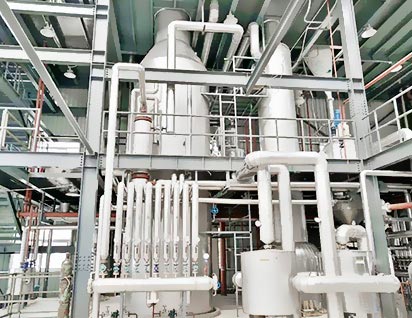
Deodorization tower
Deodorization towerDeodorizati…
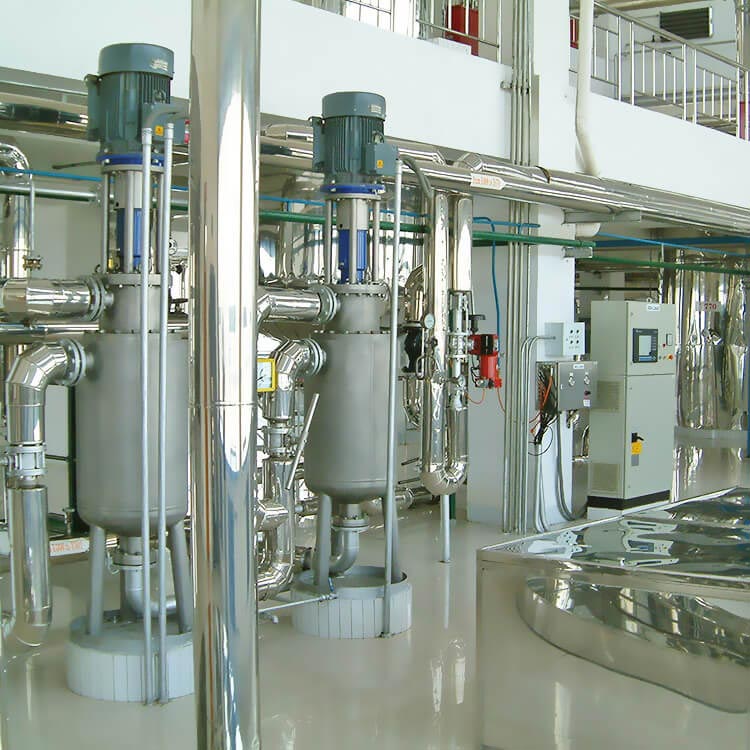
Edible Oil Decolorizing Equipment: Vacuum Decolorization Tower for Commercial Refineries
Edible Oil Decolorizing Equipm…
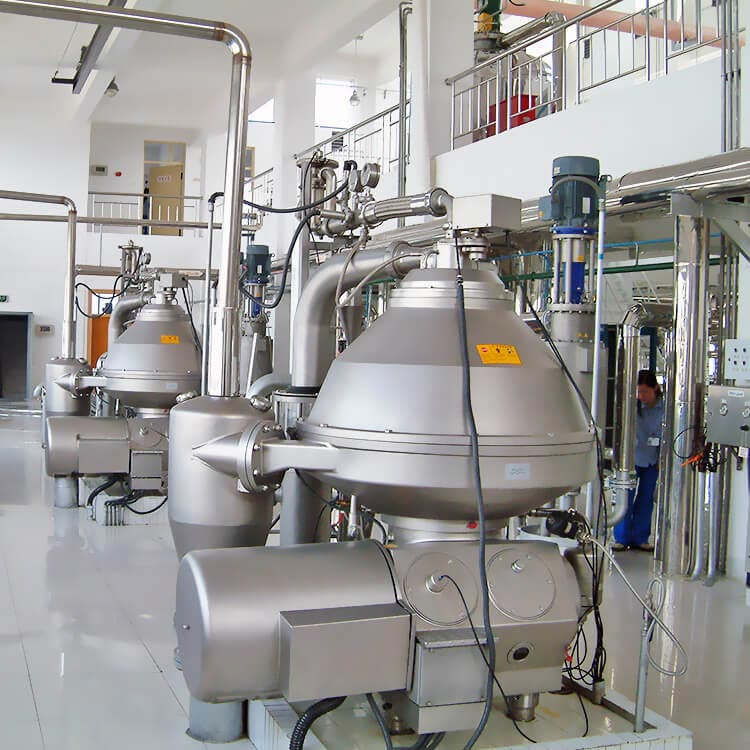
Edible Oil Deacidification System: Packing Tower & Alkali Refining Solutions
Edible Oil Deacidification Sys…
Ready to Get a Tailored Solution?
Tell us your raw material, daily capacity and target specs — our engineers will design the optimal configuration for your plant.