Peanut oil refining process

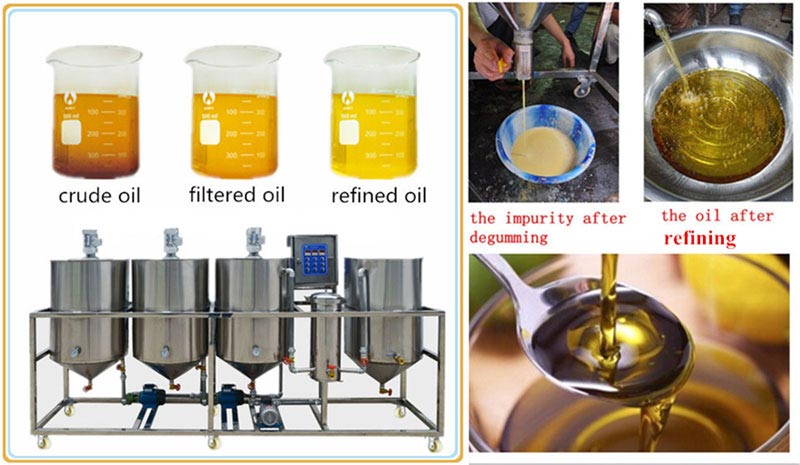
Degumming, deacidification, decolorization & deodorization

Peanut oil refining process

Peanut oil refining process

Peanut oil refining process

Peanut oil production process mainly includes peanut oil press process, peanut oil extraction process, and refining peanut oil production process. The following is an introduction to peanut oil refining production process.

Crude peanut oil → degumming → deacidification → decolorization → deodorization → refineried oil


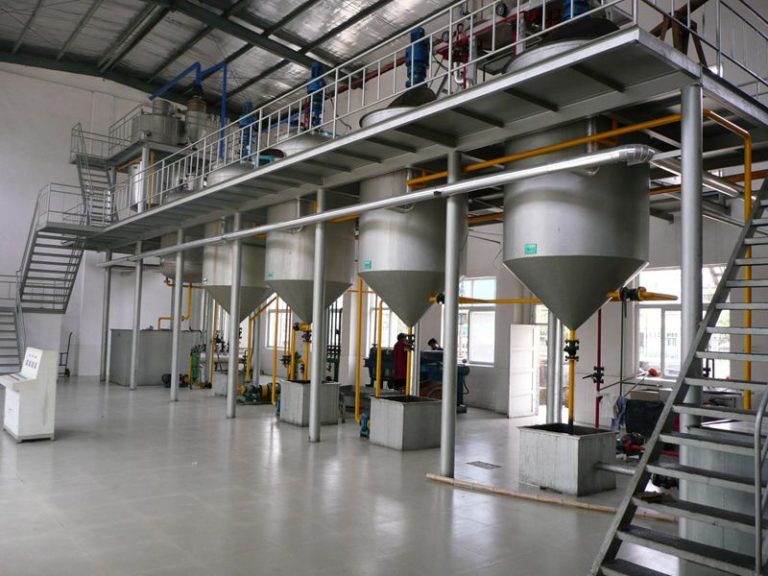
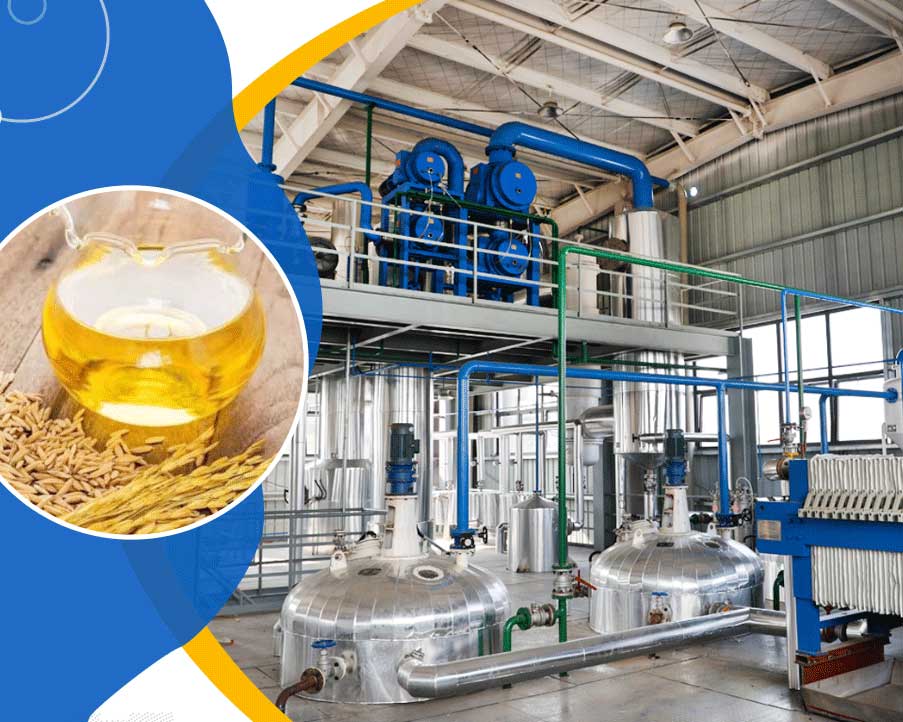
Peanut oil refining machine

Peanut oil refinery process:

1. coarse filter
The leached peanut oil in the tank was filtered and slag removed using a 120 mesh/inch coarse oil filter.
2. warming up
The crude leachate after rough filtration is heated up to about 85°C using a plate heat exchanger.
3. acid refining degumming
Adding a concentration of 85% food grade phosphoric acid, 0.05 to 0.1% oil, effectively reduces the content of colloidal and trace metals in peanut oil, and at the same time converts chlorophyll into light pheophytin. The reaction time is approximately 25-30. minute.
4. alkaline deacidification
Bases are used to neutralize free fatty acids and free fatty acids are generated soapstock. Soap foot has a good adsorption, can absorb a considerable amount of pigments, proteins, phospholipids and other impurities.
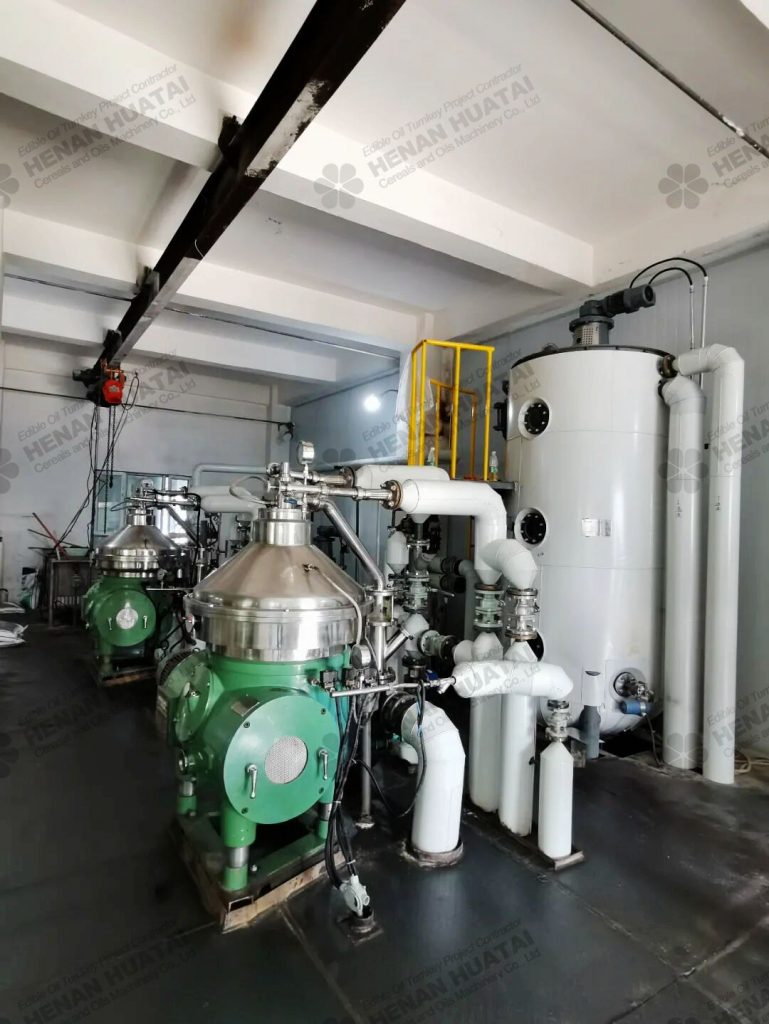
5. the first centrifugal separation
The first centrifuge separates the oil from the soap, the oil enters the second centrifuge in a light phase, and the soapy foot enters the soap bowl as a heavy phase.
6. the second centrifugal separation
The first centrifuge oil is added to the soft water, mixed by a mixing pump, and then separated into a second centrifuge oil and water. The oil is light phase and enters the drying process.
7. drying
Neutral oil was dried at a vacuum degree ≥0.08Mpa and a temperature of about 103°C, and the time was about 10 minutes.
8. bleaching
After the dried neutral oil is added to citric acid, the heat exchange oil (110°C-115°C) of the heat exchanger enters the decolorization tower, the decolorization vacuum degree is 0.09Mpa, and the reaction time is 30-45 minutes.
9. filter
The oil/white clay mixture is pumped into the filter through the decolorization tower for filtration, and the filtered oil is passed into the filtrate tank.
10. fine filter
The filter is used to remove the unfiltered impurities from the previous process and then enter the next process.
11. deodorization
By using the difference in the volatility of the odor substances and triglycerides in the oil and fat, the odor substances are removed by steam distillation under high temperature and high vacuum conditions.
12. fine filter
After being filtered by a filter, the plate heat exchanger is cooled by using the cooling tower water.

Technical Specifications

Engineered for efficiency, built for performance.

Capacity 1–1,000 TPD
Process Continuous / semi-continuous / batch
Refining loss Minimized by optimized neutralization
Oil yield High, with low residual impurities
Material SS304 contact parts; carbon steel frame

Working Principle

01

Degumming

Removes phospholipids and gums with water/acid treatment.

02

Deacidification

Neutralization or physical stripping lowers FFA.

03

Decolorization

Vacuum bleaching with clay removes pigments and traces.

04

Deodorization

Steam stripping under vacuum removes odor and FFA.

05

Dewaxing / winterization

(Optional) Crystallization & filtration for high-wax oils.

Why Choose This Equipment

High oil quality

Meets food-grade standards (low FFA, bright color).

Low loss

Optimized refining cuts neutral oil loss.

Flexible scale

From small batch to 1,000 TPD continuous.

Automated

PLC control of temperature, vacuum and dosing.

Hygienic

SS contact parts, CIP-friendly design.

Applicable Materials

Vegetable oils

Soybean, rapeseed, sunflower, peanut, cottonseed.

Specialty

Rice bran, palm, corn germ, sesame.

Frequently Asked Questions

01

Capacity range?

1–1,000 TPD, batch to continuous.

02

Refining loss?

Minimized via optimized neutralization and stripping.

03

Can it produce edible-grade oil?

Yes, output meets food standards.

Ready to Get a Tailored Solution?

Tell us your raw material, daily capacity and target specs — our engineers will design the optimal configuration for your plant.